
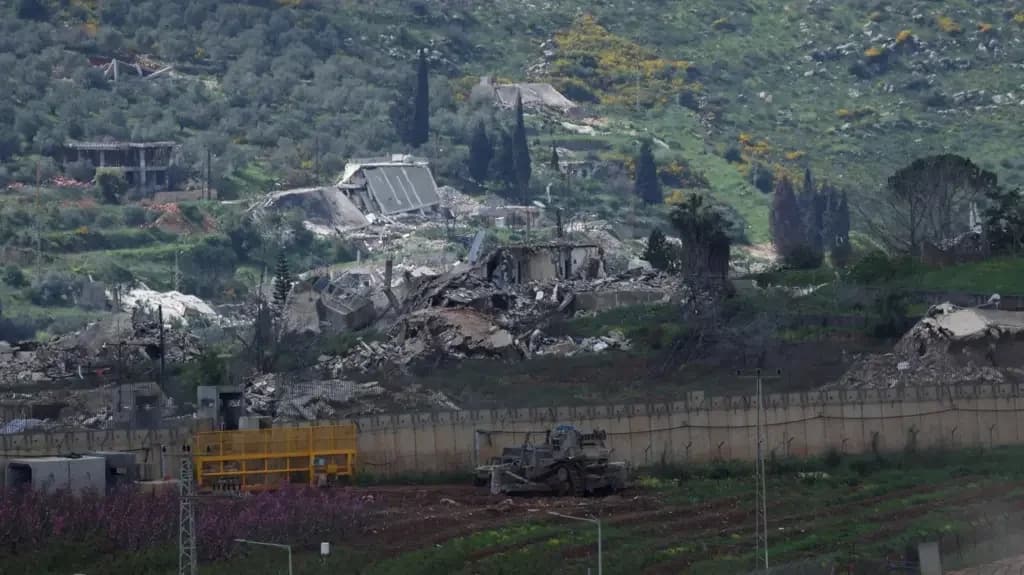
Overnight clashes between Israel and the Lebanese armed group Hezbollah have once again exposed the fragility of the ongoing ceasefire arrangement in the Middle East. Israeli forces launched airstrikes targeting Hezbollah rocket positions in southern Lebanon, while the group retaliated with a barrage of rockets toward northern Israel and areas around Tel Aviv. Air raid sirens forced civilians into shelters, with emergency services reporting minor injuries caused during the rush for safety. The renewed violence highlights how quickly tensions can escalate despite ongoing diplomatic efforts. Isr
Overnight clashes between Israel and the Lebanese armed group Hezbollah have once again exposed the fragility of the ongoing ceasefire arrangement in the Middle East. Israeli forces launched airstrikes targeting Hezbollah rocket positions in southern Lebanon, while the group retaliated with a barrage of rockets toward northern Israel and areas around Tel Aviv. Air raid sirens forced civilians into shelters, with emergency services reporting minor injuries caused during the rush for safety. The renewed violence highlights how quickly tensions can escalate despite ongoing diplomatic efforts.
Israeli Prime Minister Benjamin Netanyahu has maintained a firm stance, declaring that there is no ceasefire applicable to Lebanon. His remarks underline Israel’s position that operations against Hezbollah will continue regardless of the broader truce involving United States and Iran. On the other side, Hezbollah insists its attacks are a response to Israeli strikes, further complicating any attempt to contain the conflict within diplomatic boundaries.
At the same time, tensions are rising over the strategic Strait of Hormuz, a vital route for global energy supplies. U.S. President Donald Trump has criticized Iran’s handling of the waterway, accusing it of failing to meet agreed terms and warning against any attempt to impose fees on oil tankers. These concerns have drawn in international leaders, including UK Prime Minister Keir Starmer, who stressed the need for urgent action to restore free navigation and prevent economic disruption.
With rising casualties in Lebanon and uncertainty surrounding peace talks, the situation remains highly volatile. The intersection of military escalation and global energy security concerns means the crisis is no longer regional alone, but one with far-reaching international consequences.



Comments
No comments yet. Be the first to share a thought.