
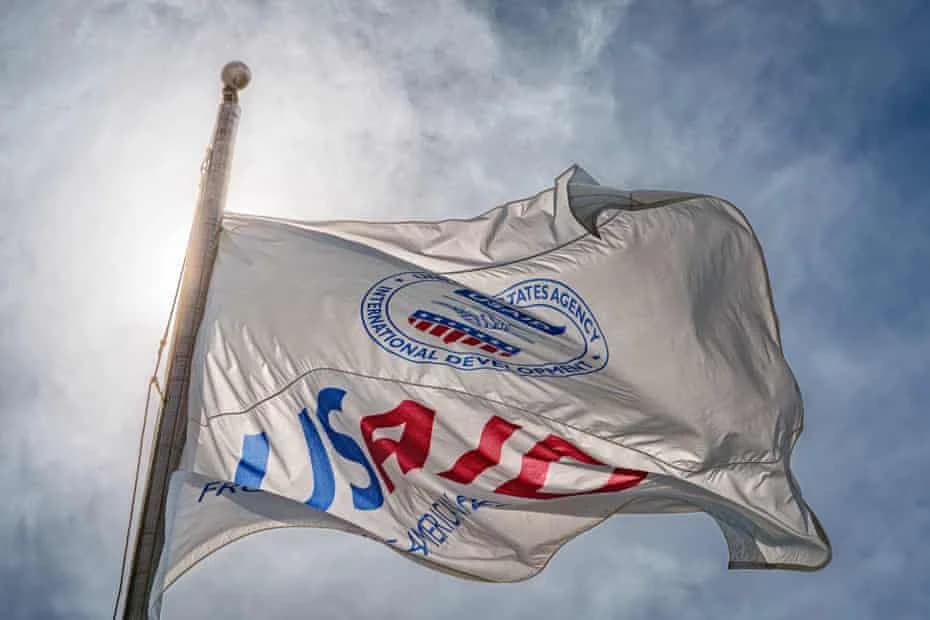
Jeremy Lewin, a senior official at the U.S. Agency for International Development (USAID), has recently come under intense scrutiny following allegations of violent behavior and racist remarks during his youth. Lewin's past is now a point of contention as he assumes a crucial position within the agency, raising serious concerns about his suitability for the role and the potential impact on the effectiveness of USAID’s global mission. Reports have surfaced that ten individuals who knew Lewin during his earlier years expressed alarm over his troubling behavior. These concerns include incidents i
Jeremy Lewin, a senior official at the U.S. Agency for International Development (USAID), has recently come under intense scrutiny following allegations of violent behavior and racist remarks during his youth. Lewin's past is now a point of contention as he assumes a crucial position within the agency, raising serious concerns about his suitability for the role and the potential impact on the effectiveness of USAID’s global mission. Reports have surfaced that ten individuals who knew Lewin during his earlier years expressed alarm over his troubling behavior. These concerns include incidents involving physical violence and discriminatory remarks, casting a shadow over his professional ascent. This revelation has left many questioning how such a person rose to a position of significant influence at a leading international aid organization. Lewin’s appointment comes at a time when USAID is undergoing significant changes. Under the Trump administration, the agency faced numerous challenges, including drastic budget cuts and operational changes. These measures led to the suspension of several humanitarian programs worldwide, affecting both local and international staff. The decision to reduce the agency’s presence globally has been seen as part of broader "America First" policies, which have stirred debate about the U.S.'s role in international development and humanitarian efforts. According to a report from The Guardian, these developments have raised alarms about the future of USAID’s programs, particularly as many global partners now face financial uncertainty. With a potential erosion of the agency’s credibility due to Lewin’s controversial past, the future of U.S. foreign aid hangs in the balance. In response to the allegations, Lewin and officials from the Trump administration have remained silent. This lack of transparency is concerning, as it contrasts with USAID's previously strong stance on handling misconduct. The agency has a well-established zero-tolerance policy toward issues such as sexual harassment and exploitation, and past incidents have led to significant penalties, including debarment and the termination of individuals involved in unethical behavior. As USAID continues to grapple with its internal restructuring, it remains to be seen how Lewin’s leadership will shape the agency's future. The international community is closely monitoring the situation, hoping for a resolution that ensures accountability and restores confidence in U.S. foreign assistance programs. This situation underscores the importance of transparency and accountability in international development leadership. The credibility of USAID, and by extension the United States' commitment to supporting global development, depends on the integrity of its leaders. The coming months will be pivotal in determining whether Lewin's past will undermine the agency’s future or if the necessary steps will be taken to address these concerns.



Comments
No comments yet. Be the first to share a thought.