
In the vast cultural tapestry of Rwanda, few traditions are as sacred, symbolic, and socially binding as Kunywana. Deeply rooted in the country’s pre-colonial heritage, Kunywana is more than just a friendship—it's a formal pact of loyalty and unity that transcends family ties and lasts for generations. As Rwanda continues to rise in unity and reconciliation, Kunywana is reemerging as a powerful tool for healing and solidarity. What is Kunywana? Kunywana is a traditional Rwandan practice in which two people—often from different families, clans, or backgrounds—formally declare a lifelong bond
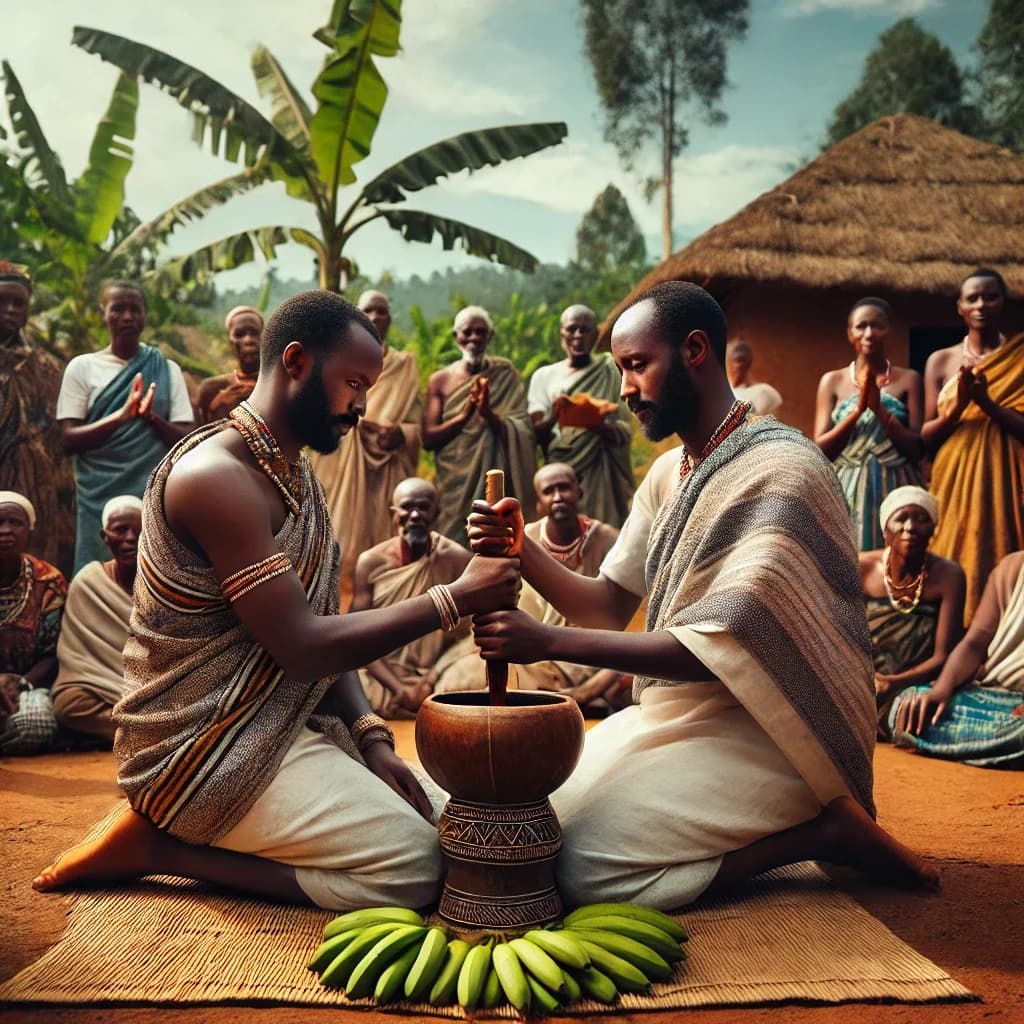
In the vast cultural tapestry of Rwanda, few traditions are as sacred, symbolic, and socially binding as Kunywana. Deeply rooted in the country’s pre-colonial heritage, Kunywana is more than just a friendship—it's a formal pact of loyalty and unity that transcends family ties and lasts for generations. As Rwanda continues to rise in unity and reconciliation, Kunywana is reemerging as a powerful tool for healing and solidarity. What is Kunywana? Kunywana is a traditional Rwandan practice in which two people—often from different families, clans, or backgrounds—formally declare a lifelong bond of brotherhood. This bond is not biological but chosen, sacred, and socially respected. In ancient times, this was achieved through a ritual where each person would offer a drop of blood, mixed into a communal drink—usually urwagwa (banana beer)—and then consumed together, symbolizing shared life and destiny. This act signified that from that moment on, they would be brothers, allies, and protectors of each other. The bond also extended to their families, encouraging peace between clans and discouraging violence or betrayal. Cultural and Social Significance Kunywana was often practiced between warriors, community leaders, or neighbors during times of political tension, conflict, or to seal alliances. The ceremony would be conducted with the presence of elders, who gave blessings and ensured the sincerity of the commitment. Items such as spears, beads, or woven baskets were exchanged as tokens of trust. The practice was more than symbolic. It had real social consequences. Those who had entered Kunywana were expected to support each other in times of need, mediate during family disputes, and uphold peace in their respective communities. In the traditional Rwandan mindset, Kunywana was seen as stronger than blood ties. Betraying a kunywana brother was a grave dishonor, often punished more harshly by society than betraying one’s own family. A Living Tradition in Modern Times Although the physical ritual of drinking blood has largely disappeared due to health and cultural shifts, the philosophy of Kunywana still thrives today in both rural and urban Rwanda. People continue to refer to deep friendships as kunywana relationships—marked by unwavering trust, confidentiality, and mutual support. Following the 1994 genocide against the Tutsi in Rwanda, the country’s healing journey saw renewed relevance for Kunywana. In various communities, survivors and former perpetrators began to engage in reconciliation processes rooted in traditional values. The symbolic recreation of Kunywana helped to bridge broken relationships, renew trust, and promote community resilience. In schools, youth empowerment programs, and local peacebuilding projects, Kunywana is being taught as a model of unity and non-violence. It is being reframed as a cultural alternative to division, reminding Rwandans of their shared destiny. Kunywana and Mental Health What’s less explored but incredibly valuable is how Kunywana served as a form of psychological security. In times when there were no therapists, community members relied on each other emotionally. Kunywana partnerships created a safe space to share fears, find comfort, and work through trauma. It was an early form of emotional resilience-building—counseling through connection. As Rwanda modernizes and expands access to professional mental health services, traditional approaches like Kunywana remain relevant, especially when integrated respectfully into community-based therapy or psychosocial support systems. A Message for the World As global societies battle loneliness, mistrust, and polarization, Kunywana offers a compelling message: Peace begins with a personal commitment to loyalty, compassion, and shared humanity. Rwanda’s ancient way of forming brotherhood is not only a historical practice—it is a living philosophy that can inform how we rebuild relationships in our homes, communities, and nations. Kunywana reminds us that healing is possible, unity is powerful, and cultural heritage can guide us toward a more connected and compassionate future. References and Resources: Kagame, A. (1959). La Philosophie Bantu-Rwandaise de l’Être. Brussels: Académie Royale des Sciences Coloniales. Ntakirutimana, E. (2004). Rwandan Traditional Conflict Resolution Practices. Kigali: National Unity and Reconciliation Commission. Prunier, G. (1995). The Rwanda Crisis: History of a Genocide. London: Hurst & Company. Ingabire, A. (2012). "Social Healing through Traditional Practices in Post-Genocide Rwanda." Journal of African Cultural Studies, 24(1), 77–91. NURC (National Unity and Reconciliation Commission). (2020). Reconciliation Barometer Report. Kigali, Rwanda. Gasasira, B. (2018). "Kunywana: Umuco wo Kunga Ubumwe n’Ubwiyunge." Ikinyarwanda Cultural Journal, 6(3), 15–22. Personal interviews with cultural elders in Southern Province, Rwanda, 2016–2019 (field research by author). Rwanda Academy of Language and Culture. (2015). Gusigasira Ibiranga Umuco Nyarwanda. Kigali: MINISPOC. About the Author: Dr. Idi Banamungu is a cultural researcher, music therapist, and founder of the Laughter Percussion Academy. Rwandan and now based in Western
Australia, he uses media, music, and psychology to promote traditional African knowledge, mental health, and cultural resilience. He is a regular contributor to HobeNews and several international platforms. For more cultural and educational features, visit: www.hobenews.com.au © HobeNews | Bridging Cultures, Inspiring Minds



Comments
No comments yet. Be the first to share a thought.