
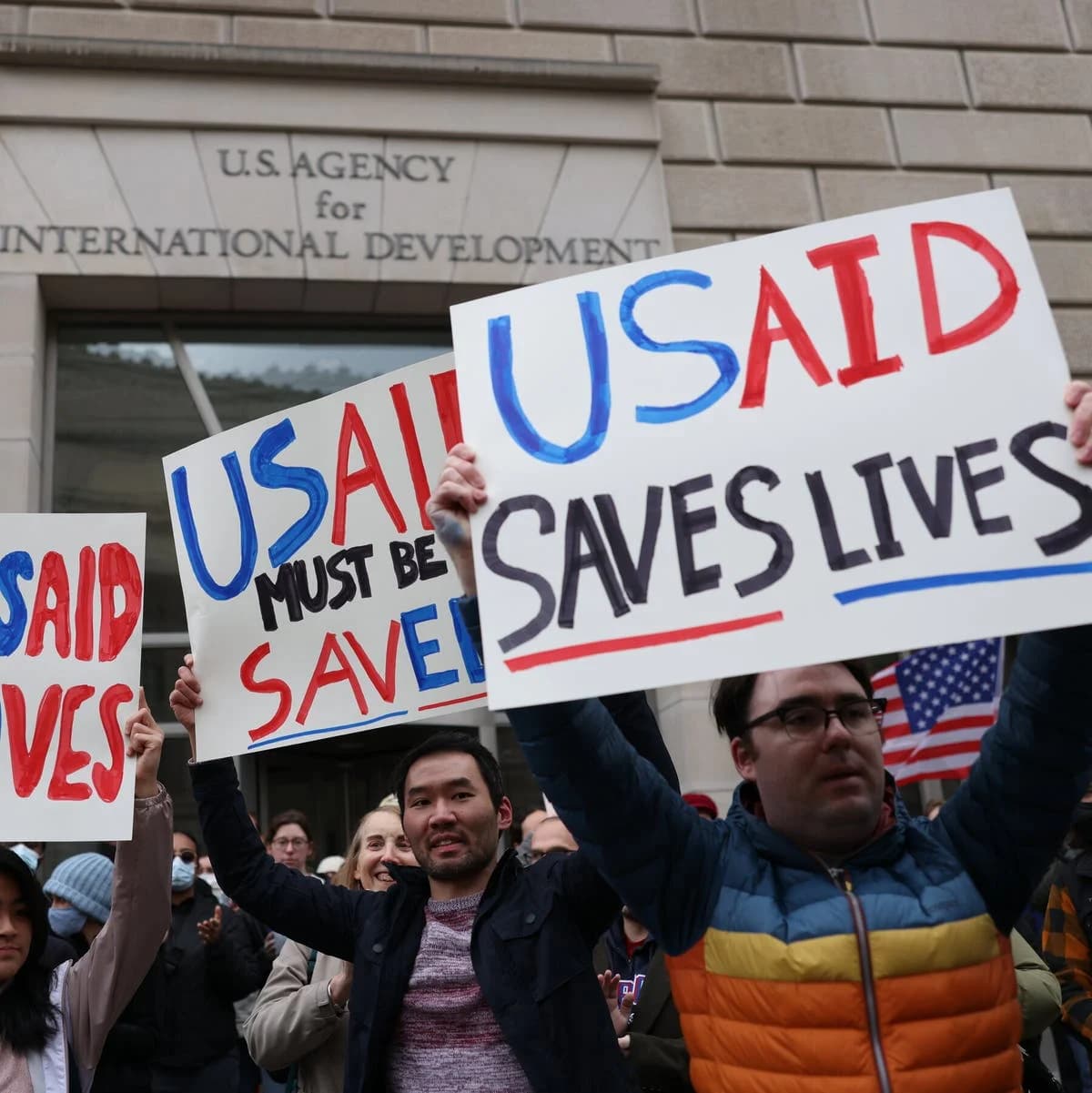
In recent developments, the release of confidential documents from the U.S. Department of State has exposed sensitive information regarding foreign aid programs, leading to significant concerns about the safety and well-being of beneficiaries worldwide. In early 2025, the Trump administration initiated a comprehensive review of foreign assistance programs, resulting in the termination of over 90% of the United States Agency for International Development's (USAID) programming. This action led to the cancellation of approximately 5,800 USAID contracts and 4,100 State Department grants, affectin
In recent developments, the release of confidential documents from the U.S. Department of State has exposed sensitive information regarding foreign aid programs, leading to significant concerns about the safety and well-being of beneficiaries worldwide. In early 2025, the Trump administration initiated a comprehensive review of foreign assistance programs, resulting in the termination of over 90% of the United States Agency for International Development's (USAID) programming. This action led to the cancellation of approximately 5,800 USAID contracts and 4,100 State Department grants, affecting numerous humanitarian initiatives globally. Elon Musk, appointed to lead the Department of Government Efficiency (DOGE), played a pivotal role in the restructuring efforts. DOGE personnel reportedly sought access to USAID's headquarters, aiming to obtain sensitive information, including security systems and personnel files. This move raised concerns about the protection of classified information and the potential risks to individuals involved in these programs. The abrupt termination of aid programs has had profound implications worldwide. For instance, the administration announced plans to cease funding for Gavi, an organization dedicated to providing vaccines to children in impoverished nations. According to a report by Reuters, the funding cuts could lead to severe disruptions in vaccination efforts, putting millions of lives at risk in developing countries. Human rights organizations have voiced strong opposition to these cuts, highlighting the detrimental effects on global human rights and humanitarian efforts. The cessation of funding jeopardizes initiatives aimed at promoting democracy, supporting independent media, and providing legal assistance to victims of political persecution in authoritarian regimes. The disclosure of sensitive information and the subsequent termination of numerous foreign aid programs have raised significant concerns about the safety of aid recipients and the future of international humanitarian efforts. These developments underscore the need for careful consideration and oversight in the restructuring of foreign assistance to ensure that vulnerable populations do not bear the brunt of policy changes.



Comments
No comments yet. Be the first to share a thought.