
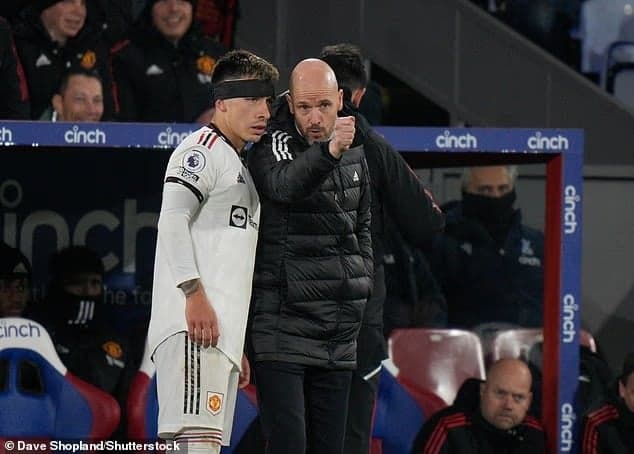
Manchester United continue to struggle with a problem that goes beyond poor results on the pitch: a lack of clear direction, consistent leadership and long-term planning.
Former manager Erik ten Hag has reignited the debate about the club’s internal problems after accusing the INEOS leadership of breaking promises regarding loyalty, support and communication. His comments come at a difficult moment for United, who are reportedly six matches without a win ahead of their trip to Como.
Ten Hag’s criticism has once again raised questions about whether Manchester United have learned anything from years of managerial changes and disappointing performances.
Since Sir Alex Ferguson’s departure in 2013, the club has appointed several managers, including José Mourinho, Ole Gunnar Solskjær, Erik ten Hag and Ruben Amorim. Yet, despite changes in the dugout and the boardroom, United have struggled to establish a consistent football identity.
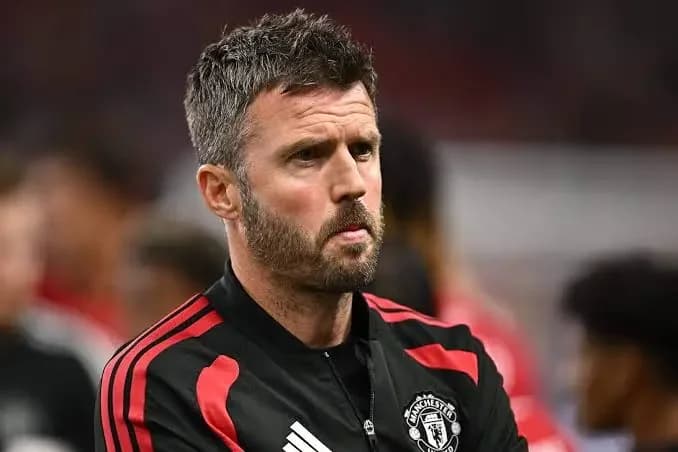
The arrival of Michael Carrick represents another attempt to restore stability. However, his challenge is complicated by the same questions that confronted his predecessors: What is the club’s long-term strategy? How should the team play? And who is ultimately responsible when things go wrong?
Former United players have also expressed concerns about the club’s structure. Cristiano Ronaldo previously questioned its progress, while Raphaël Varane highlighted the absence of a clearly defined methodology. More recently, Lisandro Martínez reportedly directed criticism towards the club’s leadership.
These repeated concerns suggest that the problems cannot be attributed to managers alone. Recruitment decisions, communication between executives and coaches, squad management and accountability all play important roles in building a successful football institution.
Nevertheless, United’s players and managers must also accept responsibility for their performances. Poor results cannot always be explained by problems behind the scenes.
Ultimately, Manchester United need more than another managerial appointment or an expensive transfer window. They need a clearly defined football philosophy, stronger leadership and a commitment to long-term planning.
The biggest question is no longer who should lead Manchester United next, but whether the club’s leadership finally has a plan capable of bringing its glory days back.
Comments
No comments yet. Be the first to share a thought.