
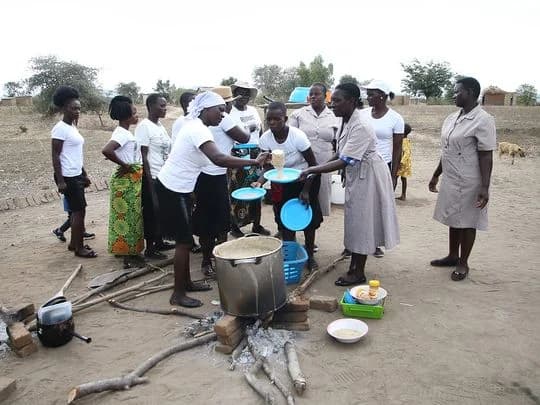
As Zimbabwe faces yet another severe drought, the specter of hunger looms large over the nation. This year's dry spell has been particularly unforgiving, leading to a significant decrease in food production and exacerbating the already dire situation of malnutrition in the region. The consequences are far-reaching, affecting not only Zimbabwe but also its neighbors Malawi and Zambia, which are similarly grappling with the devastating impacts of prolonged dry conditions. The Impact of Drought on Food Security Zimbabwe's agricultural sector, which forms the backbone of the nation's economy and
As Zimbabwe faces yet another severe drought, the specter of hunger looms large over the nation. This year's dry spell has been particularly unforgiving, leading to a significant decrease in food production and exacerbating the already dire situation of malnutrition in the region. The consequences are far-reaching, affecting not only Zimbabwe but also its neighbors Malawi and Zambia, which are similarly grappling with the devastating impacts of prolonged dry conditions. The Impact of Drought on Food Security Zimbabwe's agricultural sector, which forms the backbone of the nation's economy and sustenance, has been hit hard. With rainfall patterns becoming increasingly erratic due to climate change, the once fertile lands are now parched and unyielding. This year's drought has resulted in the wilting of crops, drying up of rivers, and a stark reduction in the availability of water for both irrigation and consumption. The decline in crop yields directly translates to a shortage of staple foods, such as maize, which is a dietary cornerstone for many Zimbabweans. As local produce dwindles, food prices soar, making it increasingly difficult for families to afford even the most basic meals. The scarcity of food has pushed many into severe hunger, with the most vulnerable groups, including children and the elderly, bearing the brunt of this crisis. Malnutrition Crisis in Southern Africa The ripple effects of Zimbabwe's drought extend beyond its borders. Malawi and Zambia, countries that share similar climatic conditions and agricultural challenges, are also experiencing severe food shortages. The drought has compromised their ability to produce enough food to meet domestic needs, leading to heightened levels of malnutrition and food insecurity. In Malawi, drought conditions have left millions in need of food aid. The country's reliance on rain-fed agriculture makes it particularly susceptible to climatic fluctuations. As crops fail, the incidence of malnutrition, especially among children, rises alarmingly. Health facilities are witnessing an increase in cases of stunted growth, wasting, and other malnutrition-related health issues. Zambia is no different. The country, known for its maize production, has seen significant reductions in crop output. The resulting food scarcity has forced many families to survive on a single meal a day, often lacking in nutritional value. The Zambian government, along with international aid organizations, is struggling to provide adequate food relief to those in need. Efforts to Mitigate the Crisis Addressing the drought-induced food crisis in Southern Africa requires a multi-faceted approach. Governments in Zimbabwe, Malawi, and Zambia are working alongside international organizations to provide immediate food assistance and support to the most affected communities. However, these efforts are often hampered by limited resources and the vast scale of the need. Long-term solutions are also being explored. Initiatives to promote drought-resistant crops, improve water management, and enhance agricultural practices are crucial to building resilience against future droughts. Additionally, climate change adaptation strategies are being developed to help communities better cope with the unpredictable weather patterns that are becoming increasingly common.



Comments
No comments yet. Be the first to share a thought.