
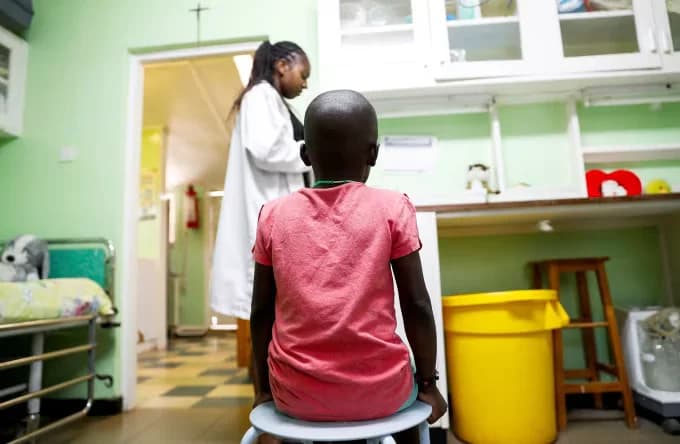
Millions of people living with HIV/AIDS around the world, particularly in Africa, are facing an uncertain future as a major funding deadline approaches for US-backed health programs. More than 120 HIV/AIDS program grants managed through the US Centers for Disease Control and Prevention (CDC) are set to expire in September 2026, raising concerns about the continuity of lifesaving treatment and prevention services. The programs, funded through the President’s Emergency Plan for AIDS Relief (PEPFAR), currently support over 8.7 million patients worldwide. Established in 2003, PEPFAR has been wide
Millions of people living with HIV/AIDS around the world, particularly in Africa, are facing an uncertain future as a major funding deadline approaches for US-backed health programs. More than 120 HIV/AIDS program grants managed through the US Centers for Disease Control and Prevention (CDC) are set to expire in September 2026, raising concerns about the continuity of lifesaving treatment and prevention services. The programs, funded through the President’s Emergency Plan for AIDS Relief (PEPFAR), currently support over 8.7 million patients worldwide. Established in 2003, PEPFAR has been widely recognized as one of the most successful global health initiatives, helping save more than 26 million lives and preventing millions of HIV infections, particularly across Africa. The uncertainty comes as the US State Department moves to restructure the management of PEPFAR under its new "America First Global Health Strategy." The plan seeks to centralize oversight and increase direct agreements with recipient countries. While US officials argue that the changes will improve efficiency and sustainability, health experts fear the transition could disrupt essential services if replacement mechanisms are not established in time. Countries such as Mozambique, Tanzania, and South Africa are expected to be among the hardest hit by the funding changes. The affected programs support a wide range of services, including HIV testing, treatment, laboratory services, prevention programs, and medications such as Pre-Exposure Prophylaxis (PrEP). Public health experts and former CDC leaders have expressed concern that the restructuring could weaken the effectiveness of PEPFAR by reducing the role of technical health specialists and creating gaps in service delivery. Some warn that interruptions in treatment could lead to increased HIV transmission, more AIDS-related illnesses, and preventable deaths. The State Department maintains that funding for global health operations will continue and that the CDC will remain a key technical partner. However, critics argue that the rapid transition risks undermining decades of progress in the global fight against HIV/AIDS. As governments, health organizations, and communities await clarity on the future of the programs, millions of patients remain dependent on a system that has been a lifeline for more than two decades. The coming months are expected to be critical in determining whether treatment and prevention services can continue without major disruption.
Comments
No comments yet. Be the first to share a thought.