
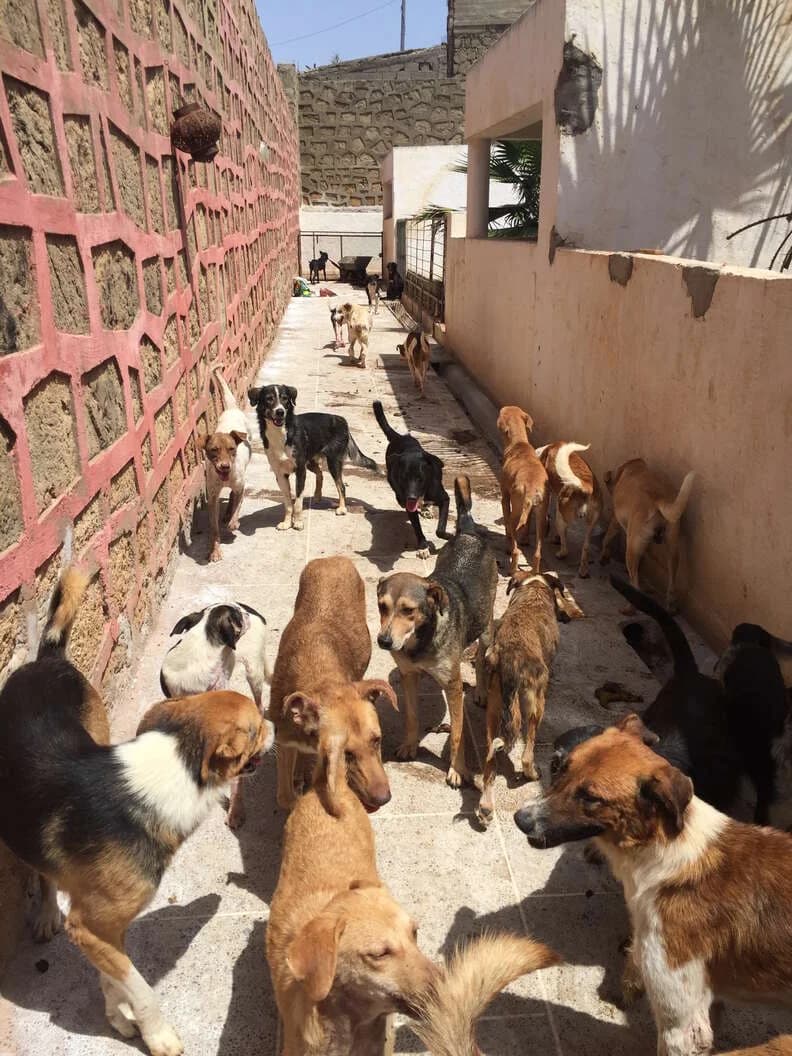
In preparation for co-hosting the 2030 FIFA World Cup alongside Spain and Portugal, Morocco has initiated a controversial campaign to eliminate approximately three million stray dogs from its streets. This initiative aims to enhance urban aesthetics and ensure the safety of visiting fans. However, it has drawn significant criticism from international animal rights organizations and prominent conservationists. Reports indicate that the methods employed in this culling operation include poisoning, shooting, and other inhumane practices. The International Animal Welfare Protection Coalition (IAW
In preparation for co-hosting the 2030 FIFA World Cup alongside Spain and Portugal, Morocco has initiated a controversial campaign to eliminate approximately three million stray dogs from its streets. This initiative aims to enhance urban aesthetics and ensure the safety of visiting fans. However, it has drawn significant criticism from international animal rights organizations and prominent conservationists. Reports indicate that the methods employed in this culling operation include poisoning, shooting, and other inhumane practices. The International Animal Welfare Protection Coalition (IAWPC) has been at the forefront of condemning these actions, urging FIFA to intervene and pressure Moroccan authorities to cease the mass killings. Deborah Wilson, representing IAWPC, emphasized that the slaughter not only persists but has intensified as Morocco's World Cup bid progressed. Renowned primatologist and conservationist Jane Goodall has also expressed deep concern. In a letter addressed to FIFA, she highlighted the ethical implications of the culling and its potential negative impact on FIFA's global reputation. Goodall urged the organization to take immediate action to halt the inhumane treatment of animals in Morocco. Despite official statements from Moroccan authorities claiming that the culling campaign concluded in August 2024, recent evidence suggests otherwise. Activists and animal welfare groups have documented ongoing killings, with some alleging that the efforts have escalated following Morocco's selection as a World Cup host nation. The controversy has sparked a global debate on the ethical responsibilities of host nations in preparing for major international events. Critics argue that such measures reflect poorly on the host country and the organizing bodies, calling for more humane and sustainable solutions to manage stray animal populations. As the 2030 World Cup approaches, the international community continues to monitor the situation closely. The pressure mounts on both Moroccan authorities and FIFA to address these concerns and adopt more compassionate approaches that align with global standards for animal welfare.



Comments
No comments yet. Be the first to share a thought.