
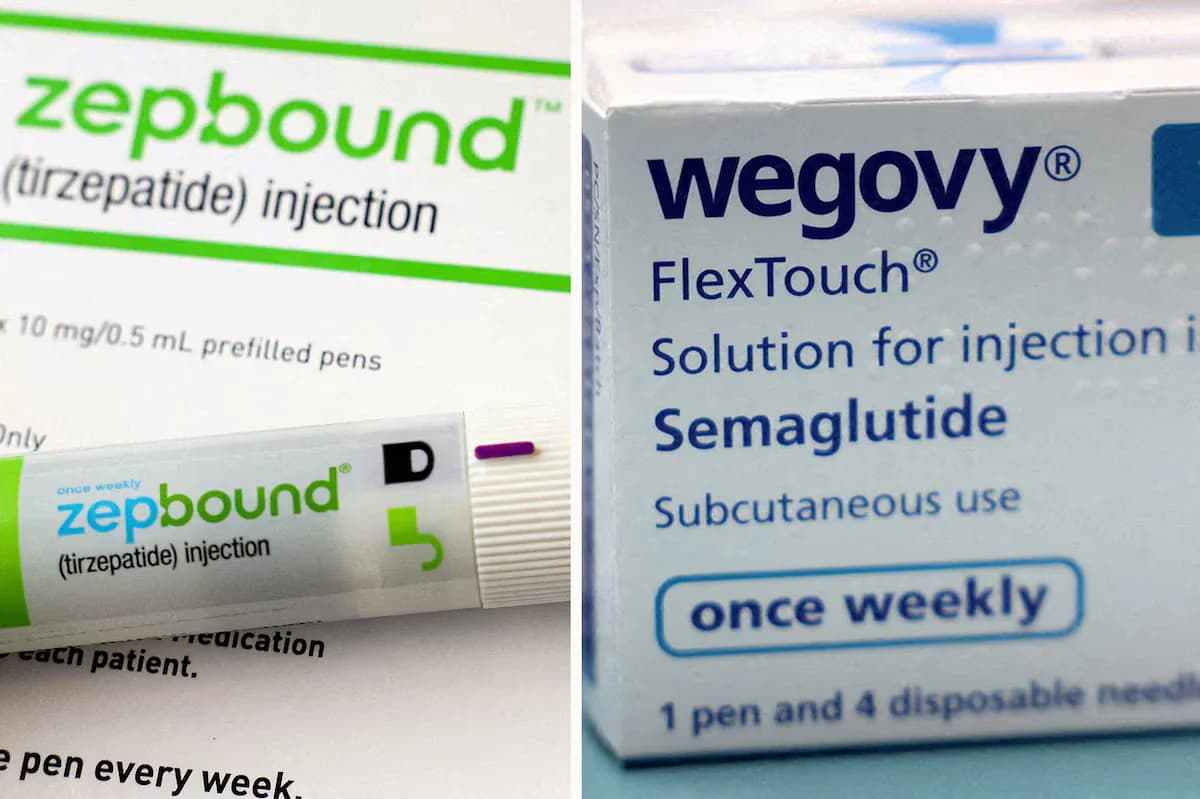
On February 2, 2026, fresh analysis showed that expectations for the booming global obesity drug market are being scaled back as Novo Nordisk and Eli Lilly move into a more competitive and price-sensitive phase. For years, weight-loss medicines powered by GLP-1 technology were forecast to become a $150 billion-a-year market by the early 2030s. That optimism is now fading. Analysts say intensifying rivalry, falling prices and broader access are squeezing future sales potential, even as demand continues to grow. Novo’s Wegovy and Eli Lilly’s Zepbound have transformed obesity treatment, but bot
On February 2, 2026, fresh analysis showed that expectations for the booming global obesity drug market are being scaled back as Novo Nordisk and Eli Lilly move into a more competitive and price-sensitive phase. For years, weight-loss medicines powered by GLP-1 technology were forecast to become a $150 billion-a-year market by the early 2030s. That optimism is now fading. Analysts say intensifying rivalry, falling prices and broader access are squeezing future sales potential, even as demand continues to grow. Novo’s Wegovy and Eli Lilly’s Zepbound have transformed obesity treatment, but both companies are now cutting prices, expanding discounts and racing to launch newer versions, including oral pills. The shift is improving patient access, especially in the United States, but it is also tightening profit margins. At the same time, rivals such as Roche and other biotech firms are advancing new obesity drugs, adding further pressure. The market is still expected to grow rapidly, but the new era favors volume over blockbuster pricing, marking a turning point for one of healthcare’s most closely watched sectors.

Comments
No comments yet. Be the first to share a thought.