
At least 140 Palestinians were killed within 24 hours in Gaza, marking one of the deadliest surges in violence since the breakdown of ceasefire negotiations in March. Palestinian health officials report that more than 300 people have died in Israeli strikes since Thursday, as Israel signals the beginning of a new phase in its military campaign. The intensified bombardment follows a complete blockade on humanitarian aid, prompting urgent warnings of famine and collapse of healthcare services in the besieged enclave. "Since midnight, we have received 58 martyrs, while many others remain trappe
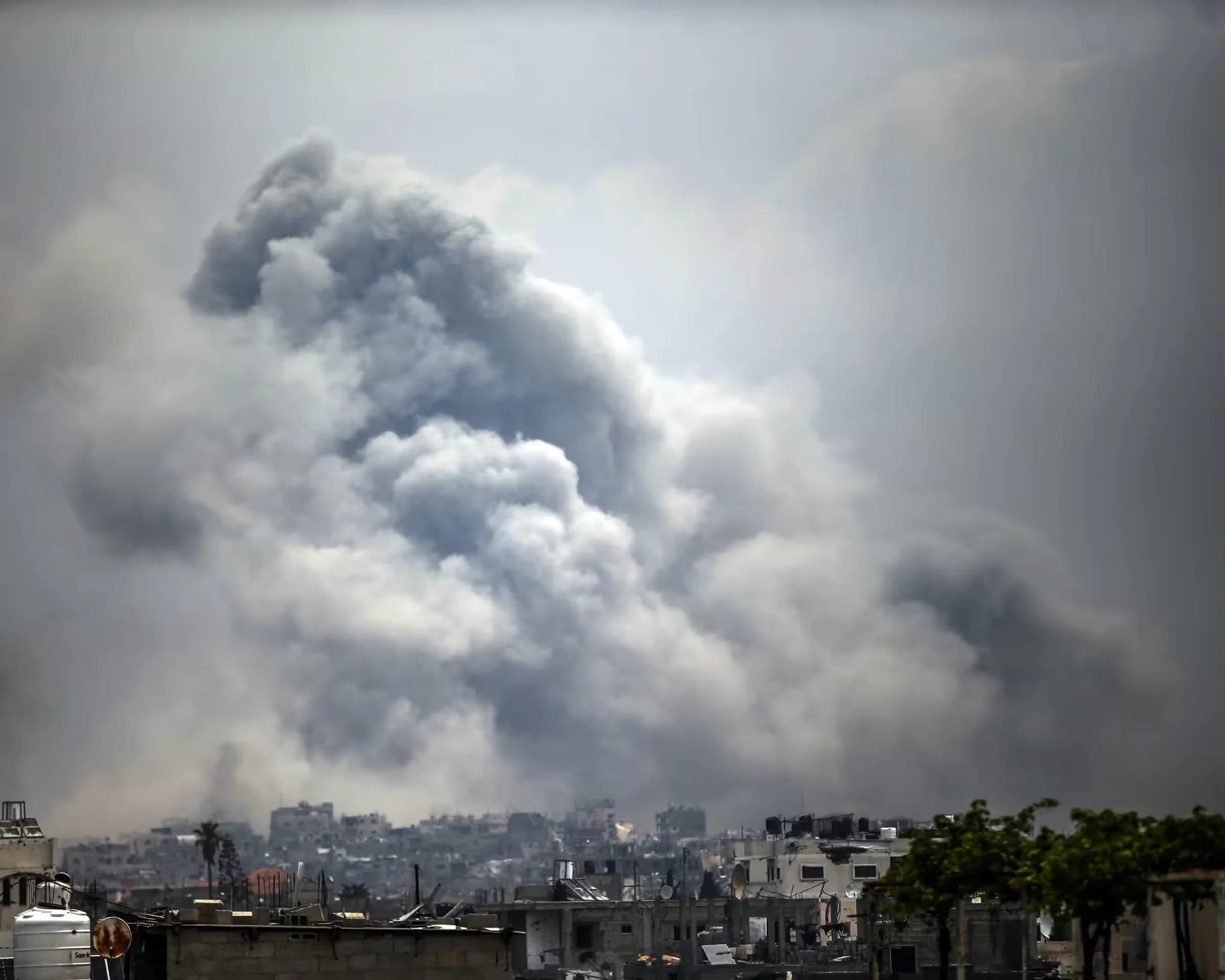
At least 140 Palestinians were killed within 24 hours in Gaza, marking one of the deadliest surges in violence since the breakdown of ceasefire negotiations in March. Palestinian health officials report that more than 300 people have died in Israeli strikes since Thursday, as Israel signals the beginning of a new phase in its military campaign. The intensified bombardment follows a complete blockade on humanitarian aid, prompting urgent warnings of famine and collapse of healthcare services in the besieged enclave. "Since midnight, we have received 58 martyrs, while many others remain trapped beneath the rubble. The situation inside the hospital is catastrophic," said Dr. Marwan al-Sultan, director of the Indonesian Hospital in northern Gaza, early Saturday. Reuters put the 24-hour death toll at a minimum of 146. The latest escalation has drawn condemnation from the international community. UN High Commissioner for Human Rights Volker Türk described the bombing campaign as a strategy to forcibly displace Palestinians, equating the actions to “ethnic cleansing.” “This latest barrage of bombs, coupled with the denial of humanitarian assistance, appears to indicate a push for a permanent demographic shift in Gaza—one that defies international law and is tantamount to ethnic cleansing,” Türk said. UN Secretary-General António Guterres echoed these concerns during a speech at the Arab League summit in Baghdad, reiterating calls for a permanent ceasefire. Israel has described the ongoing assault as the initial phase of “Operation Gideon’s Chariots,” aimed at achieving its full military objectives in Gaza. A massive troop buildup along the territory’s border is reportedly part of a plan to gain operational control over key areas. Israeli officials have also stated that the campaign and ongoing blockade are efforts to pressure Hamas into releasing hostages. Hamas, which is designated as a terrorist organization by Israel, the United States, the European Union, and others, abducted around 250 hostages during its October 2023 incursion into Israel, an attack that left approximately 1,200 people dead. Fifty-seven hostages remain in captivity. Meanwhile, former U.S. President Donald Trump concluded a four-day tour of the Gulf region, during which Saudi Arabia, the UAE, and Qatar pledged substantial investments in the United States. However, hopes that the visit might revive truce negotiations were dashed after Trump reiterated his controversial proposal to transform Gaza into a "freedom zone"—a plan widely interpreted as suggesting U.S. administrative control over the territory. Peace efforts suffered a major blow in March when Israel opted not to proceed to the second phase of a January-brokered ceasefire. The possibility of a long-term truce appeared even more remote after Israel’s security cabinet approved a plan in early May that could involve the complete seizure of the Gaza Strip. Ceasefire negotiations nonetheless remain on the agenda. On Saturday, the Arab League summit focused heavily on the Gaza crisis. Iraq’s Foreign Minister Fuad Hussein announced that attending ministers had endorsed a reconstruction plan for Gaza, culminating in a pledge of $40 million in aid for both Gaza and Lebanon—an initiative framed as a counterpoint to Trump’s controversial proposal. Later in the day, Hamas confirmed it had resumed indirect ceasefire talks with Israel in Doha, Qatar. Hamas spokesperson Taher al-Nono said discussions were progressing without preconditions. Since the conflict reignited following Hamas’s October 2023 attacks, approximately 53,000 Palestinians have been killed, according to Gaza’s health ministry. The humanitarian situation continues to deteriorate rapidly. Widespread hunger and malnutrition—especially among children—have soared since Israel halted humanitarian deliveries on March 2. Healthcare systems are on the brink of collapse, with repeated airstrikes on hospitals and dire shortages of medical supplies. UN humanitarian chief Tom Fletcher warned the UN Security Council this week that Gaza faces imminent famine and called for the immediate restoration of aid channels. Israel has denied that its blockade is responsible for the deepening humanitarian crisis. However, Trump acknowledged on Thursday that “a lot of people are starving in Gaza.” To address the crisis, Israel has proposed a new aid distribution model managed by private contractors within Gaza and protected by Israeli forces. The United States has backed the initiative, and a newly created entity, the Gaza Humanitarian Foundation, is expected to launch operations by the end of the month. Aid organizations, however, have criticized the plan as unworkable and potentially illegal, arguing that it could facilitate forced displacement and undermine international humanitarian principles. They continue to urge Israel to lift the blockade and rely on established UN mechanisms. “We can save hundreds of thousands of survivors,” Fletcher said. “We have rigorous mechanisms to ensure our aid reaches civilians—not armed groups like Hamas.” As the death toll climbs and international pressure intensifies, the prospect of a negotiated peace remains uncertain—overshadowed by military escalations, diplomatic stalemates, and a deepening humanitarian catastrophe.



Comments
No comments yet. Be the first to share a thought.