
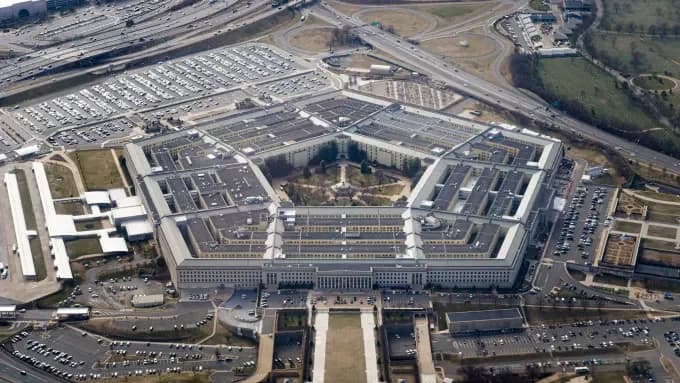
In a sweeping move that has drawn both praise and criticism, the U.S. Department of Defense (DoD) has commenced a large-scale removal of diversity, equity, and inclusion (DEI) content from its official platforms. This decision follows a directive from Secretary of Defense Pete Hegseth, aligning with a broader federal initiative to eliminate DEI-related materials across government institutions. The purge has been extensive, targeting over 24,000 articles and spanning more than 1,000 DoD-hosted websites. Among the content marked for removal are articles and commemorations related to pivotal mom
In a sweeping move that has drawn both praise and criticism, the U.S. Department of Defense (DoD) has commenced a large-scale removal of diversity, equity, and inclusion (DEI) content from its official platforms. This decision follows a directive from Secretary of Defense Pete Hegseth, aligning with a broader federal initiative to eliminate DEI-related materials across government institutions. The purge has been extensive, targeting over 24,000 articles and spanning more than 1,000 DoD-hosted websites. Among the content marked for removal are articles and commemorations related to pivotal moments and figures in American history, including the Holocaust, September 11, cancer awareness, sexual assault, and suicide prevention. The Pentagon’s visual database, known as the Defense Visual Information Distribution Service (DVIDS), has also been impacted, with numerous images and related content being taken down. One notable instance of the purge's impact was the temporary removal of a webpage dedicated to Jackie Robinson's military service during World War II. Robinson, who famously broke Major League Baseball’s color barrier in 1947, served in a segregated Army unit and was court-martialed for refusing to move to the back of a bus—a case he ultimately won. The Pentagon later restored the webpage, attributing its removal to an error amid the broader DEI content purge. Pentagon Press Secretary John Ullyot stated that the move aims to focus on service members' dedication to the mission rather than their race, ethnicity, or sex. "We are committed to honoring the contributions of all service members without emphasizing divisive social narratives," Ullyot remarked. Critics argue that the removal of DEI content undermines recognition of minority contributions to U.S. military history, particularly in cases like that of the Navajo Code Talkers—Native American service members whose unbreakable codes were pivotal during World War II. Articles highlighting their achievements were among those scrubbed from official sites. According to CBS News, the move is seen by some as erasing valuable aspects of military heritage, while supporters view it as reinforcing merit-based acknowledgment. As the Pentagon continues to implement the directive, public discourse on diversity within military and government institutions remains highly polarized. This strategic shift reflects a fundamental reevaluation of how the military acknowledges historical narratives and diverse contributions. As the debate continues, questions linger about the balance between honoring service and maintaining a unified mission focus.



Comments
No comments yet. Be the first to share a thought.