
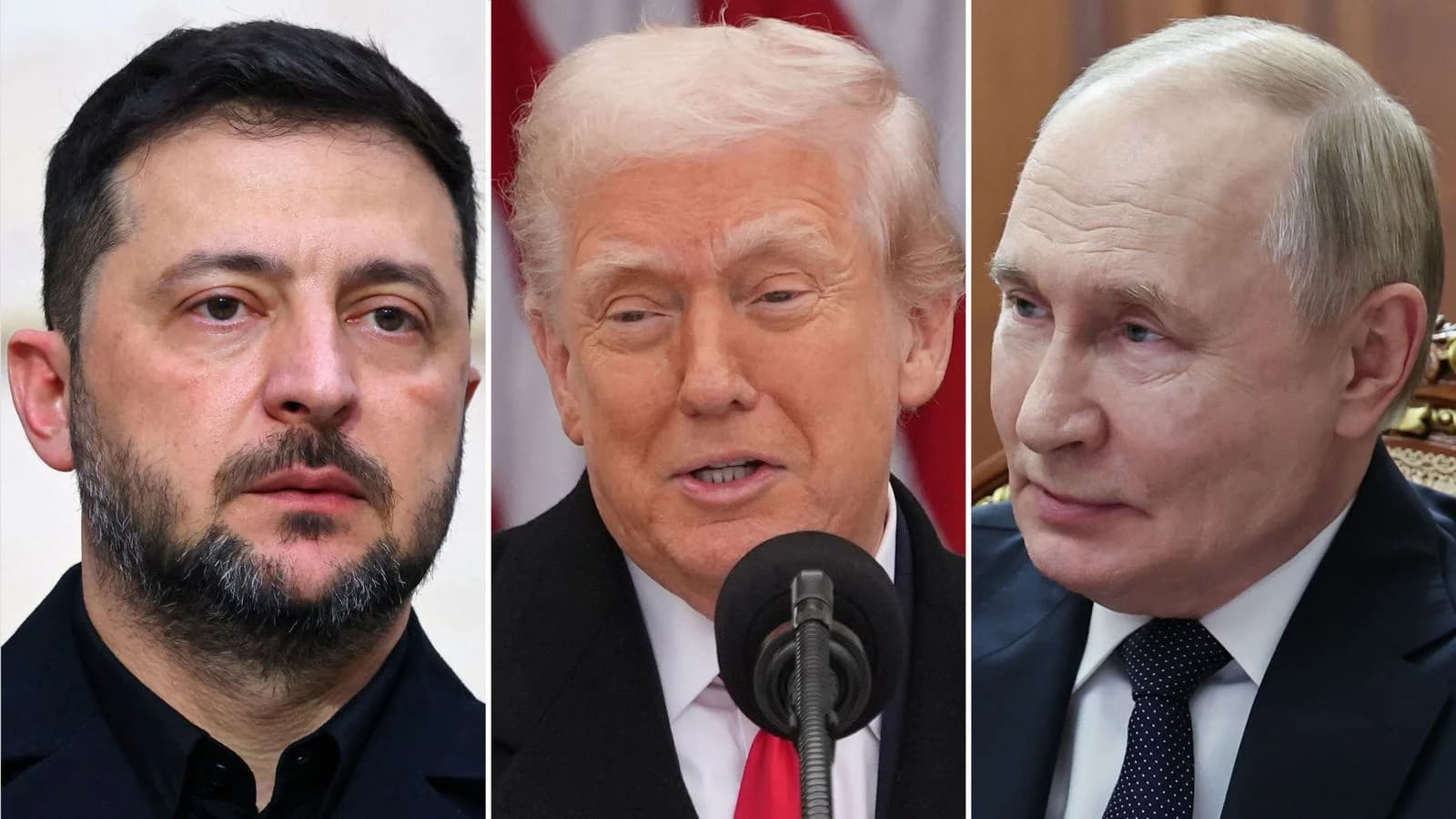
Diplomatic momentum around Ukraine’s latest peace initiative may look encouraging on the surface, but Donald Trump’s reaction suggests a far more complicated reality beneath it. “He doesn’t have anything until I approve it,” Trump said of President Volodymyr Zelenskyy’s forthcoming visit to Mar-a-Lago. The remark was more than casual bravado; it was a reminder that, in Trump’s worldview, diplomacy is transactional and power-centered. Zelenskyy may describe his peace plan as “90 percent ready,” but without Trump’s personal endorsement, progress appears conditional if not stalled. At the heart
Diplomatic momentum around Ukraine’s latest peace initiative may look encouraging on the surface, but Donald Trump’s reaction suggests a far more complicated reality beneath it. “He doesn’t have anything until I approve it,” Trump said of President Volodymyr Zelenskyy’s forthcoming visit to Mar-a-Lago. The remark was more than casual bravado; it was a reminder that, in Trump’s worldview, diplomacy is transactional and power-centered. Zelenskyy may describe his peace plan as “90 percent ready,” but without Trump’s personal endorsement, progress appears conditional if not stalled. At the heart of the problem lies a truth no peace framework can ignore: Russia has shown little interest in meaningful compromise. This reality has undermined multiple diplomatic efforts since the war began and continues to expose the limits of U.S. influence particularly when that influence is exercised inconsistently. Trump has faced this dilemma before. During earlier negotiations, Ukraine and its allies grew alarmed when Washington floated a 28-point proposal that critics argued read like a concession-heavy document tailored to Moscow’s preferences. The backlash was swift, forcing a recalibration and the eventual emergence of a leaner, 20-point version drafted in Kyiv. Zelenskyy has since struck a cautiously optimistic tone, citing “good conversations” with Trump’s envoy Steve Witkoff and Trump’s son-in-law Jared Kushner as groundwork for a possible direct engagement with Trump himself. Diplomatically, the effort is sound: engage, negotiate, and test the waters. Yet diplomacy is a two-way street and Moscow’s silence speaks volumes. Russian officials have offered only carefully measured remarks, while President Vladimir Putin remains anchored to his original demands. There is little indication that the Kremlin feels pressured to soften its stance. On the contrary, Russia appears to sense opportunity. From Moscow’s perspective, Trump’s political positioning offers strategic advantages. His skepticism toward European allies, his history of warmer rhetoric toward Russia, and his emphasis on “deals” over alliances all feed into a narrative that benefits the Kremlin. A divided West is a weaker West and Putin knows it. In this context, a peace proposal that seeks to lock in long-term limits on Russian ambition is unlikely to gain traction. Playing down Zelenskyy’s plan is not dismissal; it is strategy. Ultimately, this moment represents more than another diplomatic test it is a political one. Trump now faces a familiar challenge: proving whether he can convert personal diplomacy into concrete outcomes without sacrificing principles or allies in the process. If Russia continues to resist, Trump will be forced to choose between pressure and accommodation. That choice will not only shape the future of Ukraine but also define the credibility of any peace Trump claims to broker.



Comments
No comments yet. Be the first to share a thought.