
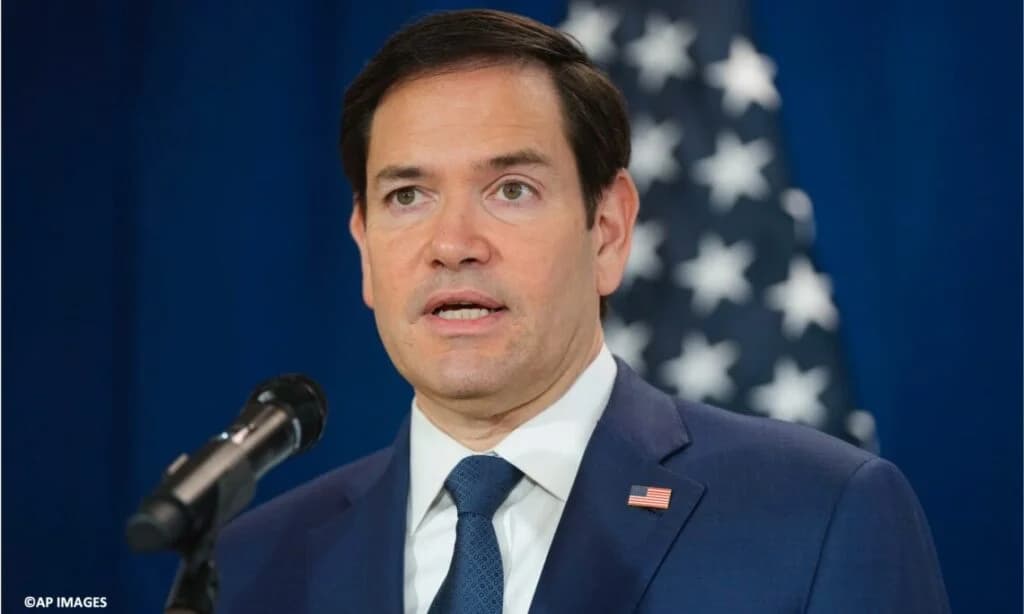
Washington — Secretary of State Marco Rubio testified before the Senate Foreign Relations Committee on Wednesday, January 28, 2026, defending the U.S. military operation that ousted Venezuelan President Nicolás Maduro and outlining Washington's strategy for the country's future. In his prepared remarks, Rubio pushed back against characterizations of the January 3 operation as an act of war. "There is no war against Venezuela, and we did not occupy a country. There are no U.S. troops on the ground," he said, framing the mission as a targeted law enforcement action. Maduro and his wife Cilia Fl
Washington — Secretary of State Marco Rubio testified before the Senate Foreign Relations Committee on Wednesday, January 28, 2026, defending the U.S. military operation that ousted Venezuelan President Nicolás Maduro and outlining Washington's strategy for the country's future.
In his prepared remarks, Rubio pushed back against characterizations of the January 3 operation as an act of war. "There is no war against Venezuela, and we did not occupy a country. There are no U.S. troops on the ground," he said, framing the mission as a targeted law enforcement action. Maduro and his wife Cilia Flores were captured and flown to New York to face narcoterrorism charges.
Rubio told lawmakers the U.S. expects Venezuela's interim president, Delcy Rodríguez, to cooperate on several American priorities, including giving U.S. companies preferential access to oil production, using revenues to purchase American goods, and ending oil shipments to Cuba. He warned that Rodriguez is aware of Maduro's fate and that her self-interest aligns with U.S. objectives.
However, Rubio also signaled a hard line if cooperation breaks down. "Make no mistake, as the President has stated, we are prepared to use force to ensure maximum cooperation if other methods fail," he said.
Democrats challenged the legality, cost, and consequences of the operation. Ranking committee member Sen. Jeanne Shaheen questioned whether the raid was worth it, noting that Rodriguez has taken no steps to diminish Iran, China, or Russia's influence in Venezuela. She also criticized the ongoing U.S. naval blockade as costing taxpayers hundreds of millions of dollars.
The hearing comes after the White House successfully pressured Republican senators to back off a war powers resolution that would have limited further strikes against Venezuela. Sens. Josh Hawley and Todd Young flipped their votes after receiving assurances from Rubio that the administration would not put ground troops in Venezuela without congressional authorization.
The operation, codenamed Operation Absolute Resolve, began at 2 a.m. local time on January 3 when U.S. forces bombed Venezuelan air defenses and raided Maduro's compound in Caracas. The military strike has sparked international controversy and debate over presidential war powers, with critics arguing it violated international law and the Constitution's limits on executive authority.
The U.S. has continued striking alleged drug-trafficking boats since the operation, killing at least 126 people since September. The Trump administration has also announced plans to potentially reopen the U.S. embassy in Caracas as part of efforts to normalize relations with Rodriguez's government.



Comments
No comments yet. Be the first to share a thought.