
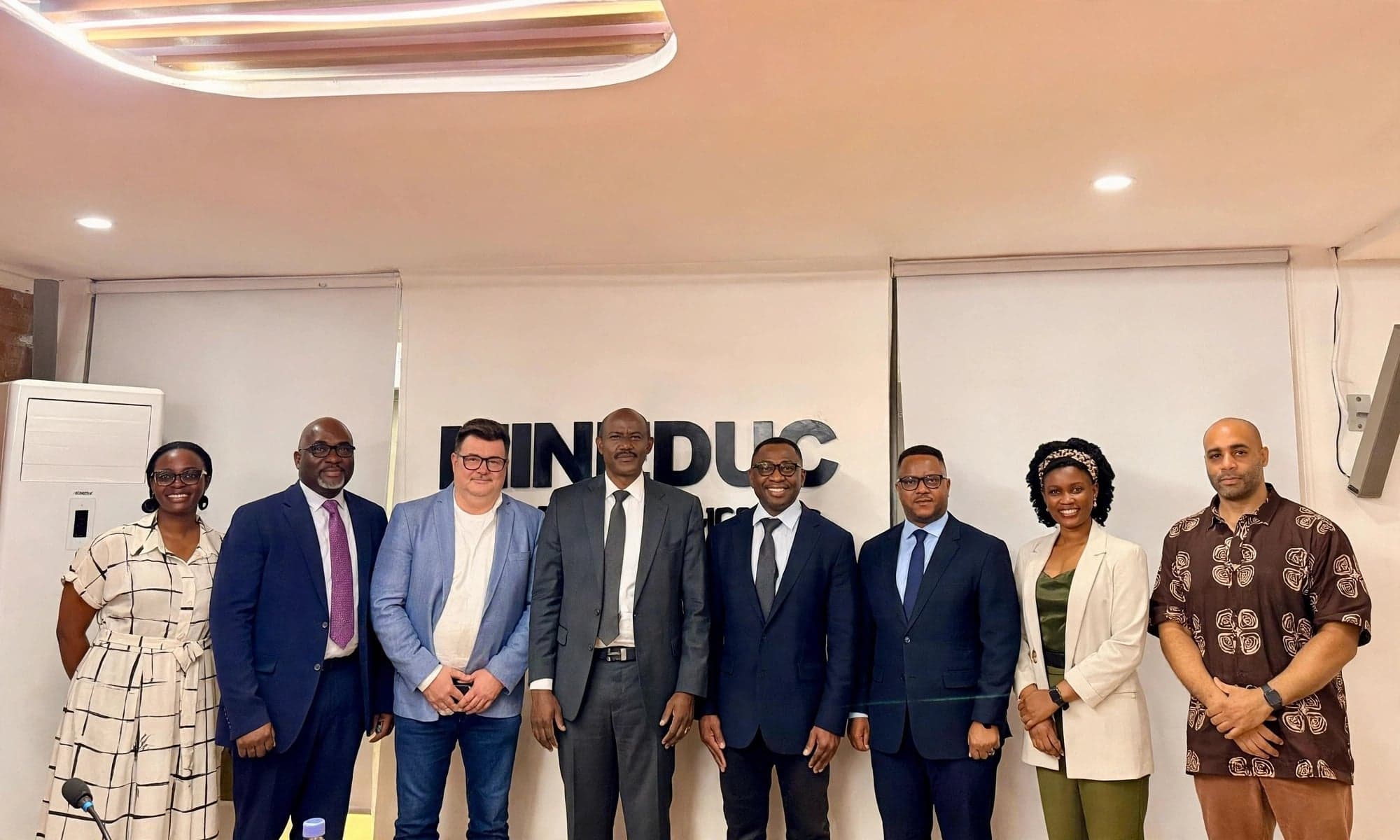
Rwanda has joined international non-profit organisation XPRIZE in a $6 million project aimed at helping children in their first year of primary school learn how to read and count within one year, instead of taking up to four years. The initiative is expected to address the challenge of children completing several years of schooling without having basic reading and mathematics skills.
According to a statement released by the Ministry of Education on November 10, 2026, the project, known as XPRIZE Accelerate Learning, will run for two years. It will focus on finding new and affordable ways to improve children's reading and counting skills, particularly in Sub-Saharan Africa and India.
XPRIZE is an international non-profit organisation founded in 1994. It is known for organising competitions that bring together researchers, scientists, technology experts and innovators to find solutions to major global challenges. The organisation uses financial prizes to encourage people to develop practical solutions that can be put into action.
Through this education project, XPRIZE wants to find better ways to help children develop reading and mathematics skills at an early age rather than spending several years in school without mastering these basic skills.
Figures published by the Ministry of Education show that seven out of every 10 children in low- and middle-income countries cannot read and understand a simple sentence by the age of 10. In Sub-Saharan Africa, the situation is even more serious, affecting nine out of every 10 children.
Despite increased investment in primary education in many countries, many children still complete school levels without strong reading and mathematics skills.
Some of the challenges include overcrowded classrooms, limited support for teachers, language barriers and teaching methods that do not address the different learning abilities of individual children.
Rwanda's Minister of Education, Joseph Nsengimana, said the partnership with XPRIZE would help the country speed up efforts to improve children's learning outcomes. He added that the initiative supports Rwanda's Vision 2050 ambitions.
"Rwanda's Vision 2050 is built on having a skilled and productive workforce, and that journey starts with children who can read, understand and apply what they learn," he said.
Minister Nsengimana also referred to the 2025 Learning Assessment in Reading and Numeracy Skills (LARS), which shows that a gap remains between children's ability to read words and their ability to understand what they read.
He called on Rwandan innovators, teachers and researchers to take part in the project by developing new ideas and solutions that can improve the quality of education.
One of the key requirements of the competition is that the proposed solutions must be affordable and accessible to large numbers of children. The target is to keep the cost of teaching one child at no more than $10.
The organisers expect the selected solutions to reach up to one million learners in targeted areas of Sub-Saharan Africa and India.
Successful solutions could also be adopted by different countries and organisations, allowing them to continue benefiting children even after the competition ends.
The partnership gives Rwandan education experts, researchers and innovators an opportunity to contribute to solving some of the challenges facing schools.
However, the project's real impact will depend on whether the proposed solutions can help children read, understand what they read and develop basic mathematics skills within a shorter period, while remaining affordable and sustainable.

Comments
No comments yet. Be the first to share a thought.