
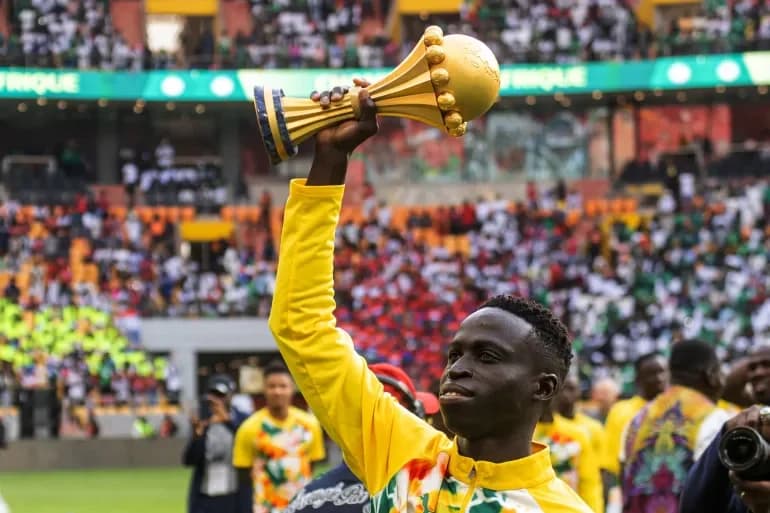
The fight over the Africa Cup of Nations title is far from over. Senegal will take its case to the Court of Arbitration for Sport (CAS) on Thursday, challenging CAF’s decision to strip the country of the title and declare Morocco the champions. The dispute comes months after Senegal defeated Morocco 1–0 after extra time in the AFCON final in Rabat. But the result was later overturned after CAF’s Appeals Board ruled that Senegal had forfeited the match following a temporary walk-off during the game. The controversy began late in regulation time when Morocco were awarded a penalty. Senegal’s
The fight over the Africa Cup of Nations title is far from over. Senegal will take its case to the Court of Arbitration for Sport (CAS) on Thursday, challenging CAF’s decision to strip the country of the title and declare Morocco the champions. The dispute comes months after Senegal defeated Morocco 1–0 after extra time in the AFCON final in Rabat. But the result was later overturned after CAF’s Appeals Board ruled that Senegal had forfeited the match following a temporary walk-off during the game. The controversy began late in regulation time when Morocco were awarded a penalty. Senegal’s players left the pitch in protest and remained away for around 14 minutes before returning. Morocco missed the penalty, and the match continued into extra time. Senegal then scored the winning goal and appeared to have secured the trophy. CAF later ruled that Senegal’s departure from the field without the referee’s permission meant the team had lost the match under the tournament regulations. Morocco were subsequently awarded a 3–0 victory and recognised as African champions. Senegal has rejected that interpretation and wants CAS to restore the result recorded on the pitch. At the centre of the case is a simple but significant question: does a temporary walk-off amount to abandoning a match? Senegal is expected to argue that its players returned and completed the match, meaning the incident should not be treated as forfeiting the final. CAF and Morocco are expected to defend the decision based on the competition regulations, which state that a team leaving the field without the referee’s authorisation can be declared the loser and eliminated. The case could therefore have implications beyond the trophy itself, particularly for how tournament regulations are applied when protests interrupt matches. The three-member CAS panel will hear arguments from Senegal, Morocco and CAF during a closed-door hearing in Lausanne, Switzerland. CAS has made clear that there will be no immediate ruling on the day of the hearing. The panel will deliberate before issuing its final decision. Until then, Morocco remain the champions recognised by CAF, while Senegal continue to claim that the trophy belongs to them. The dispute is unfolding while both countries have already started their campaigns for AFCON 2027. Senegal began Patrick Vieira’s tenure with a draw against Mozambique before beating Ethiopia 1–0. Morocco, meanwhile, have won both of their opening qualifiers against Gabon and Lesotho. The trophy may have been awarded, but the title fight is now in the hands of CAS.



Comments (1)
I didn’t know about this. Appreciate the reporting.