
As the global race to dominate artificial intelligence accelerates, one challenge stands above the rest: energy. Tech giants like Satya Nadella and Sam Altman have openly acknowledged a growing mismatch between AI ambitions and available power. Data centres sit idle, not because of a lack of computing capability, but due to insufficient access to electricity. Yet, the real issue may not be a shortage of energy infrastructure—but how inefficiently it is used. Research from Stanford University reveals a striking reality: advanced economy power grids operate at only about 30% utilization. This me
As the global race to dominate artificial intelligence accelerates, one challenge stands above the rest: energy. Tech giants like Satya Nadella and Sam Altman have openly acknowledged a growing mismatch between AI ambitions and available power. Data centres sit idle, not because of a lack of computing capability, but due to insufficient access to electricity. Yet, the real issue may not be a shortage of energy infrastructure—but how inefficiently it is used.
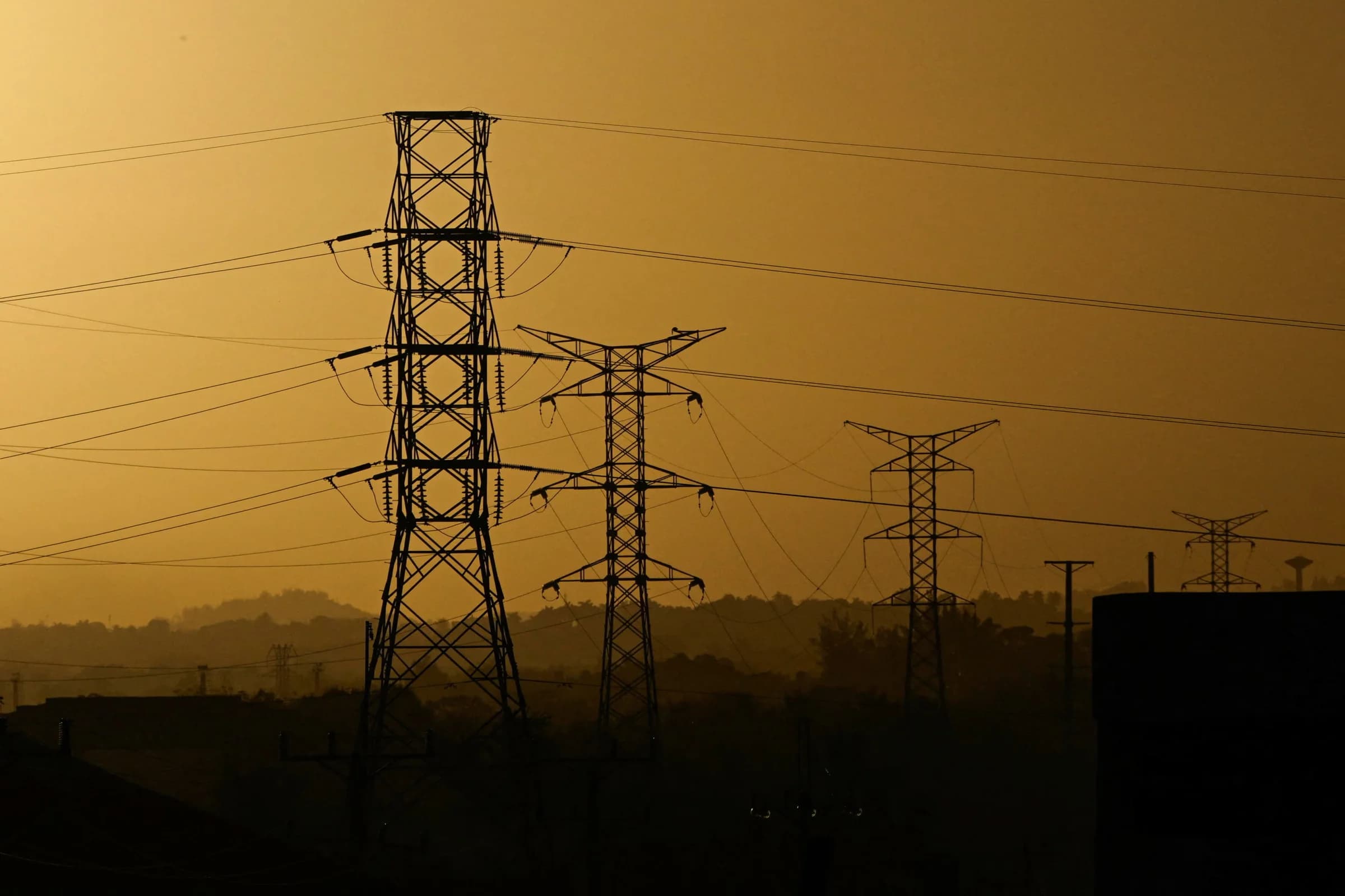
Research from Stanford University reveals a striking reality: advanced economy power grids operate at only about 30% utilization. This means that for most of the time, nearly two-thirds of electricity capacity remains unused. The grid is only strained during rare peak hours, often less than 100 hours per year. This underutilization exposes a major opportunity one that could redefine how nations power AI and their economies.
Rather than investing trillions in new infrastructure, a smarter solution is emerging: flexible grid optimization. By using AI to intelligently manage electricity distribution, countries can unlock massive hidden capacity. A mere 1% improvement in grid flexibility could release up to 100 gigawatts of power in the United States alone, saving hundreds of billions of dollars in new construction costs.
This approach is already proving effective. Partnerships involving Portland General Electric demonstrate how predictive AI can forecast demand, coordinate renewable energy, and manage consumption in real time. The result is faster deployment of computing power without building new plants or transmission lines.
Ultimately, the future of AI depends not on generating more electricity, but on using existing resources more intelligently. A smarter grid could unlock energy abundance, lower costs, and accelerate innovation without waiting decades for new infrastructure.



Comments
No comments yet. Be the first to share a thought.