
The diplomatic relationship between Greenland and the United States has become increasingly strained in recent days, following the announcement of a U.S. delegation's upcoming visit to the Arctic territory. The delegation, which includes Usha Vance, the second lady, National Security Adviser Michael Waltz, and Energy Secretary Chris Wright, is set to arrive later this week. While the delegation's official purpose is to discuss energy and security issues, the timing and context of the visit have fueled significant controversy. Greenland, a semi-autonomous territory of Denmark, has long been at
The diplomatic relationship between Greenland and the United States has become increasingly strained in recent days, following the announcement of a U.S. delegation's upcoming visit to the Arctic territory. The delegation, which includes Usha Vance, the second lady, National Security Adviser Michael Waltz, and Energy Secretary Chris Wright, is set to arrive later this week. While the delegation's official purpose is to discuss energy and security issues, the timing and context of the visit have fueled significant controversy. Greenland, a semi-autonomous territory of Denmark, has long been at the center of a contentious issue involving U.S. President Donald Trump's persistent efforts to acquire the island. His administration has repeatedly expressed interest in Greenland due to its strategic location and natural resources. In a statement, Trump emphasized his belief that Greenland’s future should align with U.S. interests, boldly declaring that the island would become part of the United States "one way or the other." However, these ambitions have not been well-received in Greenland. Prime Minister Múte Egede has criticized the planned U.S. visit, calling the delegation’s presence "highly aggressive." His remarks reflect growing frustration with what many in Greenland perceive as an overreach by the U.S. administration. "Greenlanders' efforts to be diplomatic just bounce off Donald Trump and his administration," Egede stated in an interview with a Greenlandic newspaper, emphasizing that Greenlanders have long sought to protect their autonomy and ensure that decisions about their future are made by their own people, not external forces. The timing of the delegation’s visit, which coincides with Greenland's local elections, has further exacerbated tensions. Greenlandic officials view the visit as an attempt to influence the island's political landscape, particularly as public opinion remains firmly against U.S. ownership. Recent polls and protests demonstrate that a majority of Greenlanders reject the notion of becoming part of the United States, underscoring the importance of respecting the wishes of the island's people in any future discussions about its political status. Adding to the complexity, Danish Prime Minister Mette Frederiksen has also weighed in, stressing that discussions about Greenland’s future must respect its sovereignty and involve the voices of its people. Denmark has historically maintained a key role in Greenland's governance, further complicating U.S. efforts to expand its influence over the territory. As tensions mount, it remains unclear how the situation will evolve. The planned visit by the U.S. delegation has highlighted the significant diplomatic divide between the two nations, with Greenland’s government asserting its desire for full control over its future. The outcome of these discussions could have lasting implications for Greenland’s relationship with both Denmark and the United States. According to The Wall Street Journal, the situation continues to develop, with increasing resistance from Greenlandic officials and the public against U.S. interference.
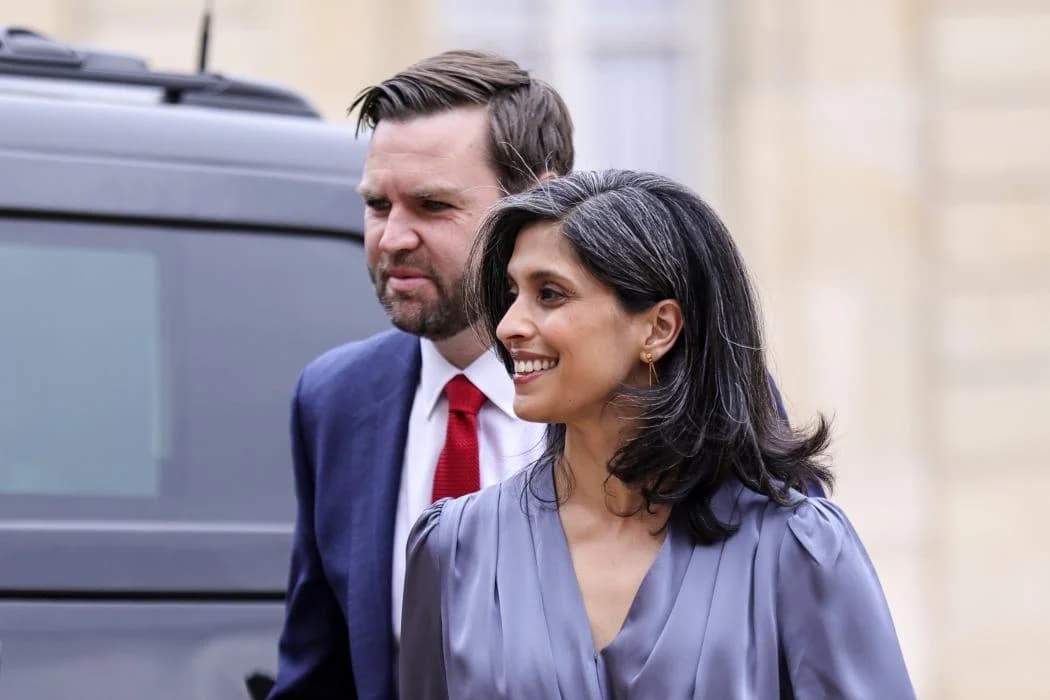
Vice President JD Vance and his wife, Usha Vance, in February



Comments
No comments yet. Be the first to share a thought.