

Only a decade ago, becoming a global entertainment star often required signing with a television network, movie studio or major record label. Today, that reality has changed dramatically. Independent content creators are building audiences of millions through platforms that reward creativity, authenticity and consistency rather than traditional industry connections. The creator economy has evolved from a niche trend into one of the fastest-growing sectors of modern entertainment. Audiences are increasingly choosing personalities they feel connected to rather than celebrities who appear distan
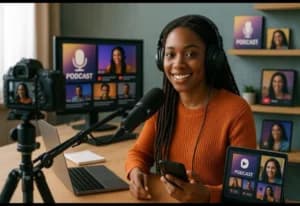
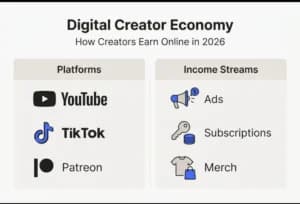
Only a decade ago, becoming a global entertainment star often required signing with a television network, movie studio or major record label. Today, that reality has changed dramatically. Independent content creators are building audiences of millions through platforms that reward creativity, authenticity and consistency rather than traditional industry connections. The creator economy has evolved from a niche trend into one of the fastest-growing sectors of modern entertainment. Audiences are increasingly choosing personalities they feel connected to rather than celebrities who appear distant. Viewers enjoy following creators who share their daily lives, opinions, behind-the-scenes moments and personal experiences. This sense of authenticity has become one of the strongest advantages independent creators have over traditional media, allowing them to build loyal communities instead of simply attracting viewers. Streaming services and social media platforms have also changed how entertainment is produced and consumed. Short-form videos, podcasts, live streaming and interactive broadcasts have created entirely new formats that attract younger audiences. Instead of waiting for weekly television episodes, viewers now expect instant, personalized and engaging content that fits into their daily routines. The business side of entertainment has changed just as quickly. Global brands are investing billions of dollars in influencer marketing because creators often generate stronger audience engagement than traditional advertising campaigns. Successful creators are no longer earning income from advertising alone; many have expanded into merchandise, digital subscriptions, live events, production companies and even technology startups. This transformation has also created new career opportunities for professionals behind the camera. Video editors, graphic designers, photographers, marketing specialists and social media managers are becoming essential members of creator teams. Entertainment is increasingly operating like a digital business ecosystem where creativity and entrepreneurship work hand in hand. However, the rapid growth of digital entertainment also presents challenges. Competition has never been greater, platform algorithms continue to evolve and maintaining audience attention requires constant innovation. Creators must also balance commercial success with authenticity while protecting their mental health in an industry that demands continuous online presence. Looking ahead, analysts believe the next generation of entertainment companies may not emerge from Hollywood or traditional television networks alone. Instead, they could be built by independent creators who understand digital communities better than anyone else. The creator economy has already transformed entertainment, and its influence is expected to grow even stronger in the years ahead.




Comments
No comments yet. Be the first to share a thought.