
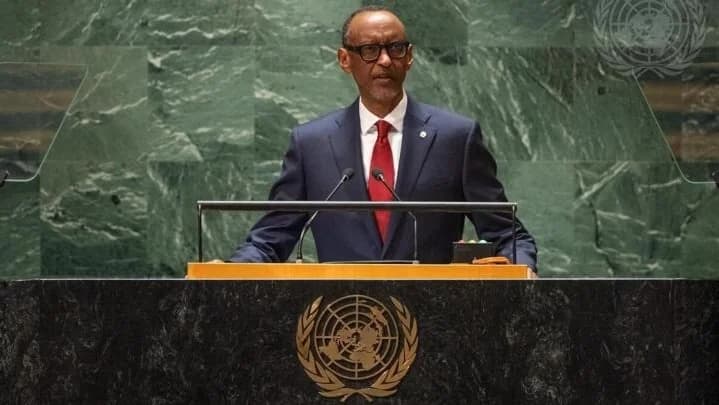
In the modern era, the erosion of fundamental principles against the targeting of civilians during conflicts is a cause for profound concern. This issue transcends legal abstractions and directly impacts human lives. As President Paul Kagame eloquently stated, "Humanitarian action addresses the immediate needs of people trapped in the horrors of conflict. Ultimately, however, the end we all seek is progress towards a durable security framework and a long-term political solution." This statement highlights the urgent need to protect civilians and strive for sustainable peace. The Importance of
In the modern era, the erosion of fundamental principles against the targeting of civilians during conflicts is a cause for profound concern. This issue transcends legal abstractions and directly impacts human lives. As President Paul Kagame eloquently stated, "Humanitarian action addresses the immediate needs of people trapped in the horrors of conflict. Ultimately, however, the end we all seek is progress towards a durable security framework and a long-term political solution." This statement highlights the urgent need to protect civilians and strive for sustainable peace. The Importance of Protecting Civilians The principle of distinguishing between combatants and non-combatants is enshrined in international humanitarian law (IHL). The Geneva Conventions, a cornerstone of IHL, explicitly prohibit attacks on civilians. These principles are not mere legal formalities but essential safeguards designed to protect human dignity and preserve lives amidst the chaos of war. Violations of these norms result in immense human suffering, as evidenced by numerous conflicts around the world. The Human Cost of Ignoring Humanitarian Principles Targeting civilians not only causes immediate loss of life but also leads to long-term psychological and social trauma. Families are torn apart, communities are destroyed, and the social fabric is irreparably damaged. This undermines the potential for post-conflict recovery and reconciliation, creating a cycle of violence and instability. Humanitarian organizations work tirelessly to mitigate the impact of conflicts on civilians. They provide essential services such as medical care, food, and shelter, often at great personal risk. However, their efforts are undermined when combatants disregard the rules of war. The targeting of aid workers and hospitals, for example, severely hampers the ability to deliver critical assistance to those in need. The Need for a Durable Security Framework While addressing immediate humanitarian needs is crucial, it is not a substitute for a long-term solution. As President Kagame emphasized, the ultimate goal is to achieve a durable security framework and a political solution that addresses the root causes of conflict. This requires concerted efforts from the international community, national governments, and local stakeholders. A durable security framework involves robust mechanisms to enforce international laws and hold violators accountable. This includes prosecuting war crimes and ensuring that those responsible for targeting civilians face justice. Additionally, there needs to be a focus on preventive measures, such as conflict resolution and peacebuilding initiatives, which address the underlying tensions and grievances that lead to violence. The Role of Political Solutions Long-term peace is unattainable without political solutions that address the core issues driving conflicts. This often involves complex negotiations, power-sharing arrangements, and comprehensive peace agreements. Political solutions must be inclusive, considering the voices of all affected parties, including marginalized groups and civil society. In many conflicts, the lack of effective governance and political representation is a significant driver of violence. Therefore, building institutions that promote transparency, accountability, and democratic participation is essential for sustainable peace. International support can play a critical role in strengthening these institutions and supporting democratic processes. The erosion of principles against targeting civilians is a grave concern that demands immediate attention and action. Humanitarian efforts provide vital relief to those suffering in conflict zones, but they are not enough. The international community must work towards establishing a durable security framework and political solutions that address the root causes of conflicts. As we heed President Kagame's call for progress, we must reaffirm our commitment to protecting civilians and building a just and lasting peace for all.



Comments
No comments yet. Be the first to share a thought.