
For decades, the Great Lakes region has lived under the shadow of recurring conflict, political manipulation, and humanitarian suffering. Today, the crisis in eastern Democratic Republic of Congo (DRC) is entering a new and dangerous phase shaped not only by armed groups on the ground, but also by the choices of the international community. Many in the region believe global powers, including the United States, have adopted a one-sided approach that risks deepening the conflict rather than resolving it. A Crisis Oversimplified by International Diplomacy International diplomacy has increasingl
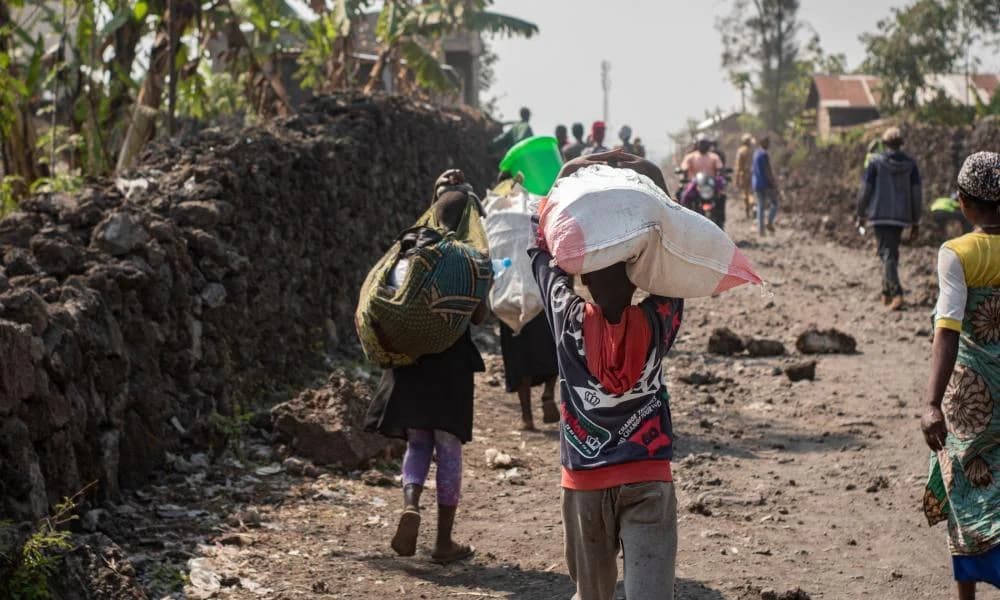
For decades, the Great Lakes region has lived under the shadow of recurring conflict, political manipulation, and humanitarian suffering. Today, the crisis in eastern Democratic Republic of Congo (DRC) is entering a new and dangerous phase shaped not only by armed groups on the ground, but also by the choices of the international community. Many in the region believe global powers, including the United States, have adopted a one-sided approach that risks deepening the conflict rather than resolving it. A Crisis Oversimplified by International Diplomacy International diplomacy has increasingly embraced a narrative that places Rwanda at the center of Congo’s instability. Yet this simplified story ignores the complex internal realities that have fueled violence for decades. Critics argue that the DRC government has prioritized lobbying and diplomatic pressure abroad over addressing the root causes of conflict at home. Instead of focusing on governance reforms, reconciliation, and security-sector restructuring, Kinshasa has poured resources into political messaging, military spending, and external blame. While this may score points in foreign capitals, it does little to protect civilians in Masisi, Minembwe, or the Hauts Plateaux. The Armed Groups No One Wants to Confront Among the most sensitive issues avoided by international actors is the persistent presence of the FDLR, a militia linked to the 1994 genocide against the Tutsi in Rwanda. Despite global condemnation, multiple reports accuse elements of the Congolese army (FARDC) of collaborating with the FDLR against rival groups. At the same time, the Allied Democratic Forces (ADF), responsible for some of the deadliest massacres in eastern Congo, continue to terrorize communities with minimal sustained international pressure to dismantle their networks. Rwanda has repeatedly called for direct action against these groups, arguing that lasting peace is impossible while genocidal and extremist militias operate freely inside Congo. Yet such concerns are often overshadowed by diplomatic narratives that focus narrowly on state-to-state accusations. Communities Paying the Price While political leaders trade accusations, civilians continue to suffer. Families in Masisi and Minembwe face daily violence, displacement, and targeted attacks. Banyamulenge communities in the Hauts Plateaux report persecution, movement restrictions, and obstruction of humanitarian aid. These are not isolated incidents. Many in the region feel the world has chosen which victims to hear and which to ignore. The silence surrounding these communities raises painful questions about selective outrage and political convenience. The Spread of Dangerous Ideology Observers have also warned of the rise of hate speech and genocidal rhetoric in parts of the DRC’s political and media landscape. Critics argue the government has, at best, tolerated — and in some cases amplified, inflammatory narratives that deepen ethnic divisions. Rather than investing in peace, dialogue, and stability, the DRC leadership is accused of prioritizing weapons and military campaigns that often harm the very civilians they claim to protect. The International Community Must Recalibrate If global powers genuinely want peace in the Great Lakes region, they must stop taking sides and confront the full picture. That requires: Tackling all armed groups, including the FDLR and ADF. Investigating allegations of FARDC collaboration with extremist militias. Protecting vulnerable communities in Masisi, Minembwe, and the Hauts Plateaux. Condemning hate speech and genocidal ideology wherever it appears. Supporting genuine security-sector reform inside the DRC. Prioritizing facts over lobbying and political pressure Peace cannot be built on selective narratives or diplomatic convenience. It demands honesty, accountability, and a willingness to confront uncomfortable truths, including those within the DRC itself. A Region Deserving of Real Solutions The Great Lakes region has suffered enough. Its people deserve a peace process grounded in reality, not rhetoric. They deserve international partners committed to solutions, not sides. And they deserve leaders, local and global willing to address the root causes of conflict rather than hide behind blame. Until the world adopts a balanced, fact-driven approach, the cycle of violence will continue, and the voices of the most vulnerable will remain unheard.



Comments
No comments yet. Be the first to share a thought.