
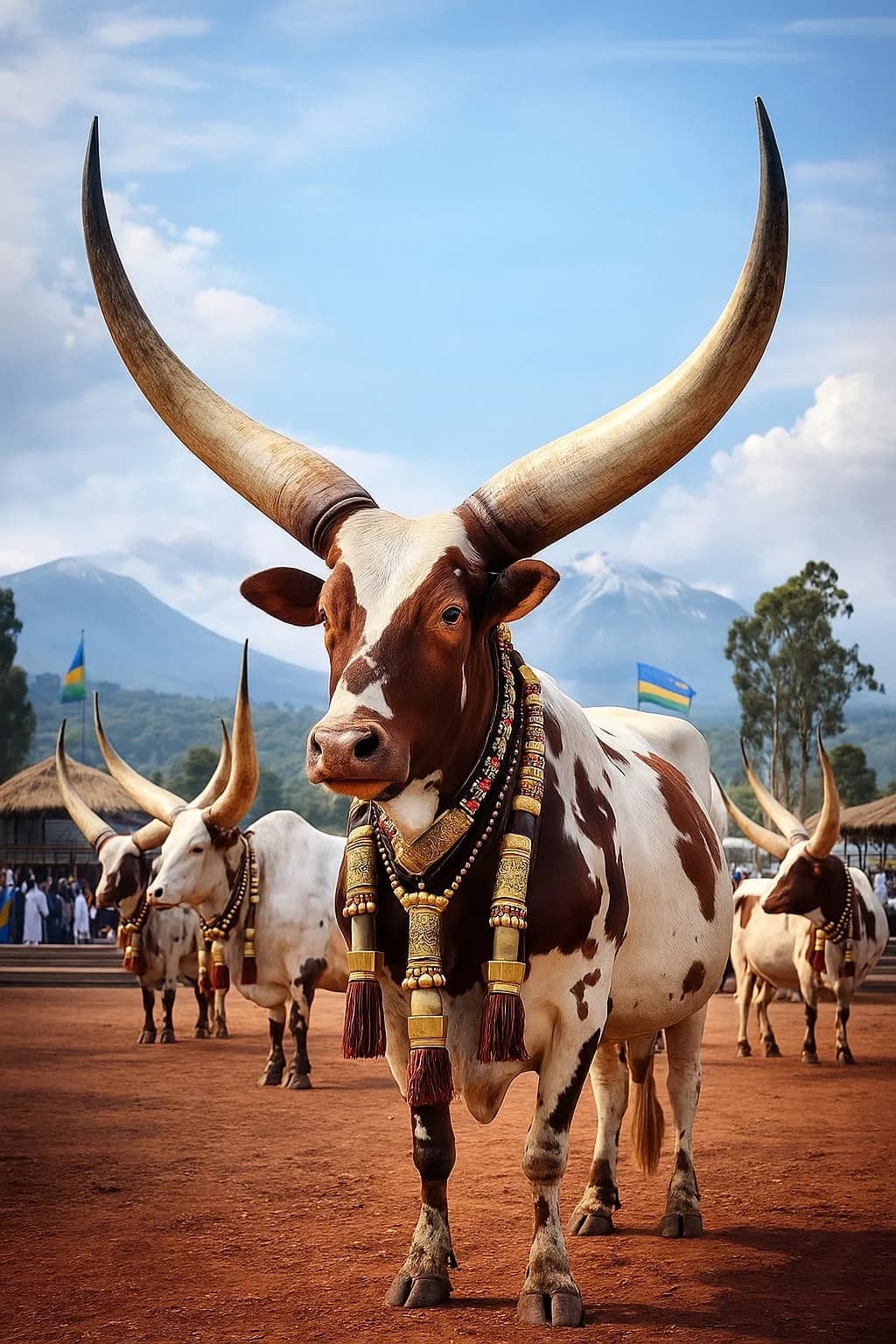
In Rwandan culture, few symbols embody emotional depth and spiritual significance as profoundly as the cow. For centuries, cows have represented life, dignity, generosity, harmony, and prosperity—values deeply embedded in the country’s identity. Because of this, the names given to cows were never random. They carried stories, blessings, wisdom, and the heritage of the families that raised them. Today, Hobe Australia presents an in-depth cultural reflection written by Professor Dr. Ras Banamungu, highlighting the rich origins and meanings behind Rwandan cow names. Cow Names: More Than Labels,
In Rwandan culture, few symbols embody emotional depth and spiritual significance as profoundly as the cow. For centuries, cows have represented life, dignity, generosity, harmony, and prosperity—values deeply embedded in the country’s identity. Because of this, the names given to cows were never random. They carried stories, blessings, wisdom, and the heritage of the families that raised them. Today, Hobe Australia presents an in-depth cultural reflection written by Professor Dr. Ras Banamungu, highlighting the rich origins and meanings behind Rwandan cow names. Cow Names: More Than Labels, A Cultural Melody In ancient Rwanda, naming a cow was a gesture of affection and cultural pride. Families pronounced these names with melody, respect, and emotional attachment. A single name could express love, lineage, protection, or harmony. Naming a cow was essentially blessing a household—a poetic act that connected people to their environment and to one another. The Historical Roots of Cow Names (Imvo n’Imvano) Traditional cow names in Rwanda originated from four principal sources, each carrying its own story and symbolism. 1. Physical Appearance The cow’s elegance, horn shape, colour, and posture often inspired names such as: Gahonda – celebrated for its beautifully curved horns Inyange – a graceful, white-coloured cow Cyarumera – known for producing strong offspring Mutoni – “the beloved,” a cow held in deep affection 2. Family History and Life Events Cow names sometimes marked emotional milestones within the family: Ikizerwa – symbolising trust and protection Mpumu – born during a tense or challenging moment Karuhije – raised with great effort over time 3. Blessings, Virtues, and Prayers Names also carried spiritual messages and aspirations: Impundu – born during joyous celebrations Mugisha – representing abundance and blessing Nyampinga – a cow admired for unmatched beauty 4. Coat Colours and Unique Markings Distinct colours and patterns inspired many traditional names: Icyimbogo – majestic, jet-black Ibigika – marked by white streaks along the back Umunyinya – bright and purely white Cow Naming as an Artistic Tradition Cow naming was one of Rwanda’s earliest art forms. Traditional poets, chiefs, elder herders, and cultural custodians created names infused with emotion, philosophy, and aesthetic brilliance. Some legendary cow names—such as Rwabunyangirwa, Rugira, Rwamasirankoni, Gashongore, Mparamirimo, and Inyamibwa—stand as cultural monuments. Each name captures a narrative of pride, resilience, beauty, or authority, showcasing the deep artistry embedded in pastoral life. Cow Names in Modern Rwanda Even as Rwanda continues to modernize, cow names remain a treasured part of the nation’s heritage. They survive within: Family lineages Names given to children (such as Mutoni, Mugisha, Nyampinga) Cultural and traditional ceremonies National museums and educational programs Tourism and heritage initiatives Academic research in linguistics and anthropology These names function as cultural bridges, linking Rwanda’s past to its dynamic present. The Importance of Preserving Cow Names The tradition of naming cows represents far more than livestock care; it embodies kindness, wisdom, beauty, cultural dignity, and a deep sense of identity. To preserve cow names is to preserve Rwanda’s soul—its stories, its aesthetics, and its values. Cow names form a living archive of Rwandan memory. They reflect the philosophy, poetry, and worldview of Rwanda’s ancestors. For Rwandans in Australia and across the world, these names are powerful reminders of home—a testament to identity and a celebration of heritage. As Professor Dr. Ras Banamungu, it is an honour to share this cultural legacy through Hobe Australia, ensuring that these traditions continue to inspire, educate, and enrich generations to come.



Comments
No comments yet. Be the first to share a thought.