
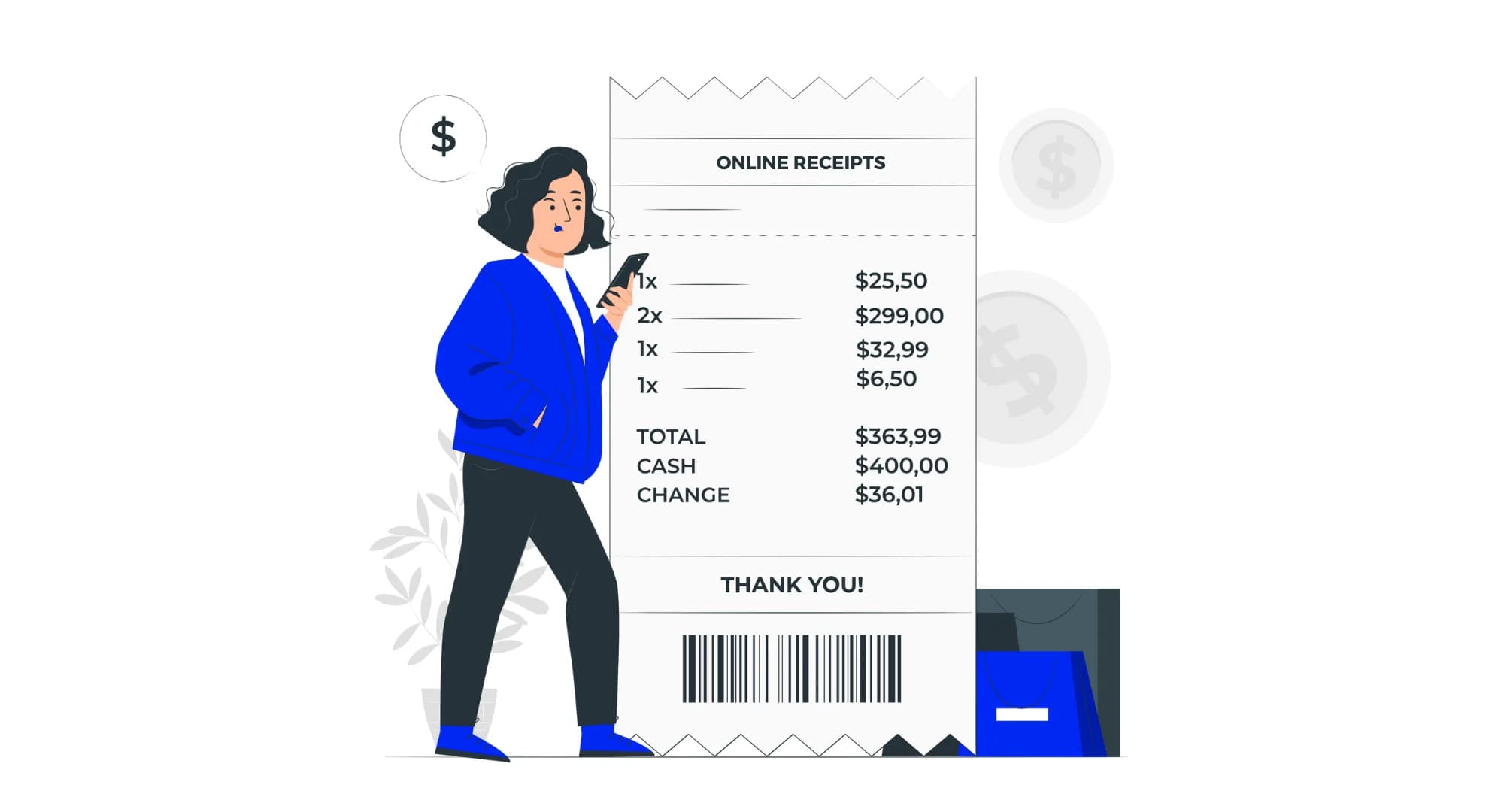
The days of receiving a paper receipt for your purchases may be numbered as more retailers transition to electronic receipts. This shift, while marketed as an eco-friendly alternative, has raised concerns among privacy advocates who warn it could come at a cost to consumers' personal information. Electronic receipts, or e-receipts, were introduced as a means to combat the environmental impact of paper receipts. Traditional receipts, often printed on thermal paper coated with chemicals such as BPA, are not recyclable and contribute significantly to waste. By offering e-receipts, retailers aim
The days of receiving a paper receipt for your purchases may be numbered as more retailers transition to electronic receipts. This shift, while marketed as an eco-friendly alternative, has raised concerns among privacy advocates who warn it could come at a cost to consumers' personal information. Electronic receipts, or e-receipts, were introduced as a means to combat the environmental impact of paper receipts. Traditional receipts, often printed on thermal paper coated with chemicals such as BPA, are not recyclable and contribute significantly to waste. By offering e-receipts, retailers aim to reduce their environmental footprint and promote a greener, paperless shopping experience. While the benefits of reducing paper waste are clear, the push for e-receipts often requires shoppers to provide their personal information, such as an email address or phone number. This exchange of data is where privacy advocates have raised alarms. "Consumers are being asked to give up their personal information for what seems like a small convenience," says Sarah Morris, a consumer privacy expert. "But once a retailer has your email or phone number, it can be used for targeted marketing, shared with third parties, or, in the worst cases, lead to data breaches." The shift to e-receipts comes at a time when concerns about data privacy and cybersecurity are at an all-time high. Retailers collecting personal information for e-receipts could expose consumers to a range of risks, including unwanted marketing communications, phishing scams, and even identity theft if their systems are not secure. For instance, the retail industry has seen several high-profile data breaches in recent years, compromising the personal information of millions of shoppers. When consumers are required to provide contact details for e-receipts, they may unknowingly be increasing their vulnerability to these types of security incidents. As the use of e-receipts becomes more prevalent, it's essential for retailers to strike a balance between convenience and consumer privacy. Transparency is key: customers should be clearly informed about how their data will be used, stored, and protected. Additionally, offering the option to receive a paper receipt without penalty or requiring personal information could alleviate some privacy concerns. For consumers who prefer the convenience of e-receipts but are wary of sharing their contact information, there are some precautions they can take. Using a dedicated email address for e-receipts, opting out of marketing communications, and being selective about which retailers they trust with their data are some steps shoppers can take to protect their privacy.



Comments
No comments yet. Be the first to share a thought.