
WASHINGTON, Feb 5 2026 — The Trump administration announced on Feb. 5, 2026, that it has appointed 33 new immigration judges, a majority of whom bring military experience to the nation’s beleaguered immigration court system. The appointees include both permanent and 27 temporary judges, many drawn from U.S. military legal corps such as the Army, Navy, Air Force, Marine Corps and National Guard, reflecting an expanded role for military attorneys in civil immigration adjudication. The Robert F. Kennedy Department of Justice Building in Washington, D.C. This hiring wave comes amid a sharp dec
WASHINGTON, Feb 5 2026 — The Trump administration announced on Feb. 5, 2026, that it has appointed 33 new immigration judges, a majority of whom bring military experience to the nation’s beleaguered immigration court system. The appointees include both permanent and 27 temporary judges, many drawn from U.S. military legal corps such as the Army, Navy, Air Force, Marine Corps and National Guard, reflecting an expanded role for military attorneys in civil immigration adjudication.
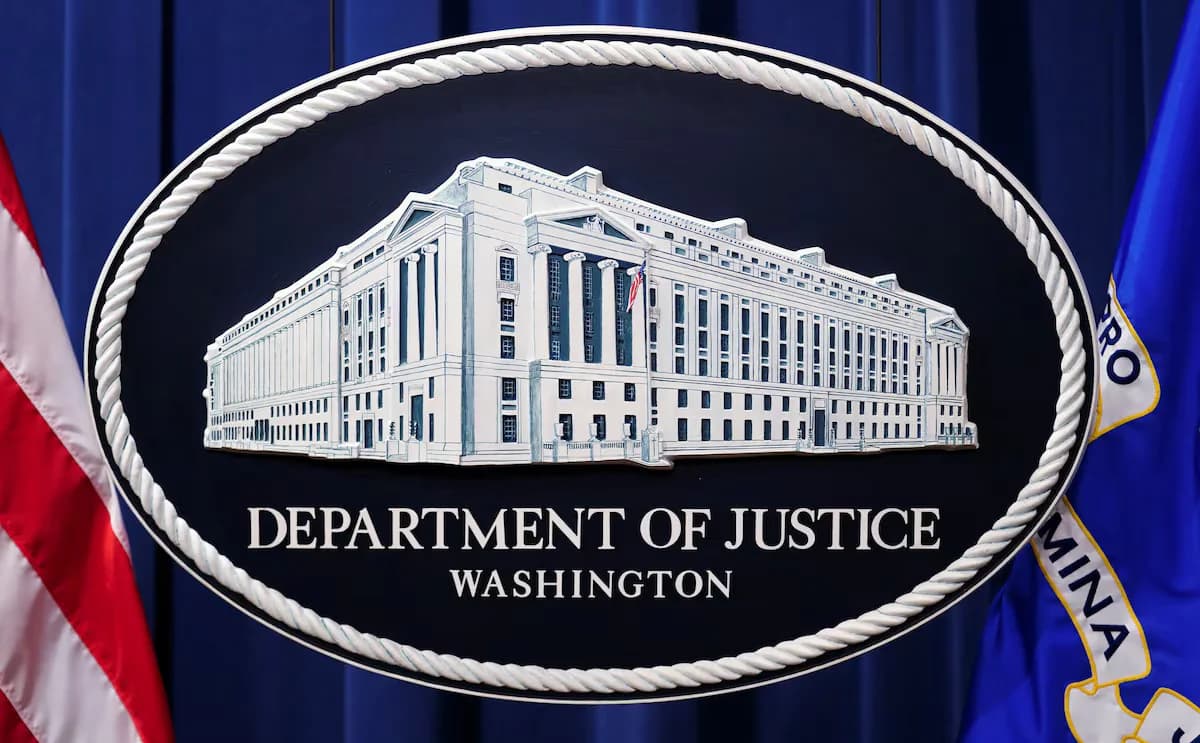
The Robert F. Kennedy Department of Justice Building in Washington, D.C.

This hiring wave comes amid a sharp decline in the number of career immigration judges following extensive firings and resignations, which contributed to a backlog now exceeding millions of pending cases. In response, the Justice Department eased prior experience requirements for temporary judges, allowing licensed attorneys without specific immigration law backgrounds to preside over hearings. Supporters argue the appointments will help reduce delays and enforce immigration laws more efficiently. Critics, however, raise concerns about due process and the substitution of military legal culture for specialized civil immigration expertise.



Comments
No comments yet. Be the first to share a thought.