
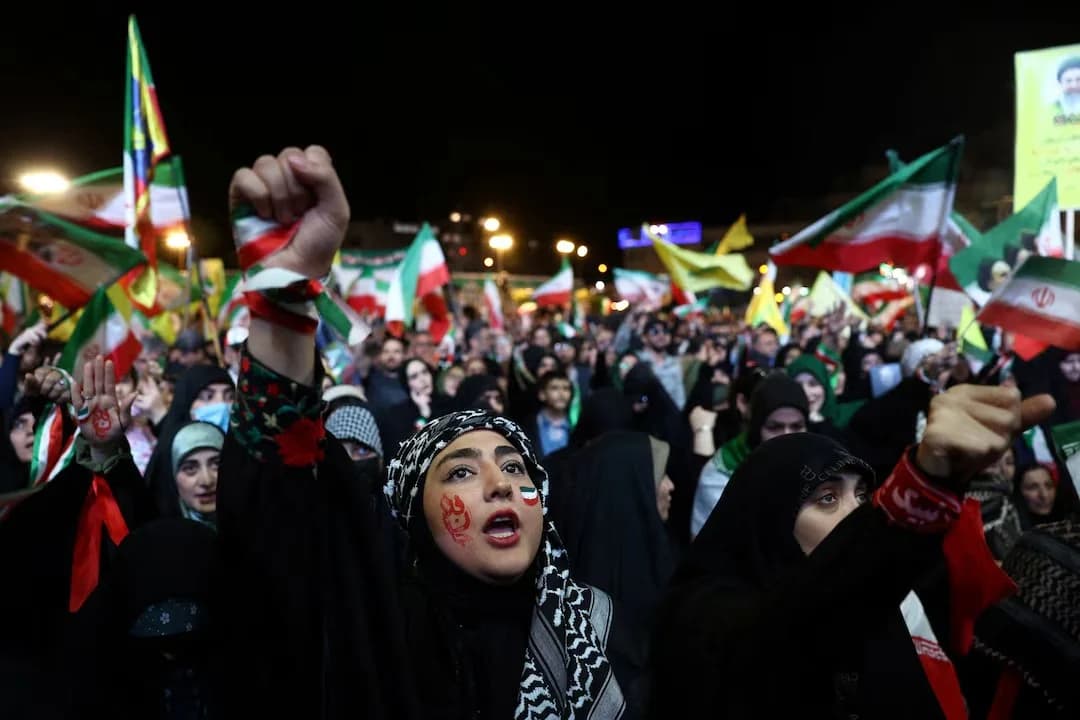
U.S. President Donald Trump has expressed optimism that the ongoing conflict between the United States and Iran could soon come to an end, as Tehran reviews a new American peace proposal aimed at halting months of escalating tensions in the Middle East. Speaking at the White House on Wednesday, Trump said discussions between both sides had shown progress over the past 24 hours and suggested a deal could be reached quickly. “They want to make a deal,” Trump told reporters in the Oval Office. “We’ve had very good talks, and it’s very possible that we’ll make a deal.” The conflict, which erupt
U.S. President Donald Trump has expressed optimism that the ongoing conflict between the United States and Iran could soon come to an end, as Tehran reviews a new American peace proposal aimed at halting months of escalating tensions in the Middle East. Speaking at the White House on Wednesday, Trump said discussions between both sides had shown progress over the past 24 hours and suggested a deal could be reached quickly. “They want to make a deal,” Trump told reporters in the Oval Office. “We’ve had very good talks, and it’s very possible that we’ll make a deal.” The conflict, which erupted on February 28, has severely disrupted regional stability and global energy markets, especially after tensions around the Strait of Hormuz intensified. The strategic waterway, which previously handled nearly one-fifth of the world’s oil and gas supply, remains a key issue in negotiations. Sources involved in mediation efforts revealed that both sides are discussing a preliminary one-page memorandum that would formally end hostilities and pave the way for broader negotiations. The proposed framework reportedly includes future discussions on reopening the Strait of Hormuz, easing U.S. sanctions on Iran, and setting limits on Iran’s nuclear activities. However, major disagreements remain unresolved. Iranian officials appeared cautious about the proposal. A spokesperson for Iran’s Foreign Ministry confirmed that Tehran was reviewing the document and would issue an official response soon. Meanwhile, Iranian lawmaker Ebrahim Rezaei dismissed the proposal as “more of an American wish-list than a reality.” Iran’s Parliament Speaker Mohammad Baqer Qalibaf also criticized reports suggesting an agreement was near, accusing Washington of attempting to shape public perception after failing to reopen the Strait of Hormuz through military pressure. Notably, the reported proposal does not address several long-standing U.S. demands, including restrictions on Iran’s missile program, its support for armed groups in the Middle East, or the future of Iran’s stockpile of highly enriched uranium. Despite the uncertainty, hopes for peace immediately affected global financial markets. Oil prices fell sharply, with Brent crude dropping nearly 11% at one stage before recovering slightly above $100 per barrel. International stock markets also rallied amid expectations that military escalation could be avoided. Reports also indicated that Trump recently paused a planned U.S. naval mission intended to escort ships through the Strait of Hormuz after progress in negotiations. According to NBC News, Saudi Arabia reportedly opposed the military operation and restricted the use of its airspace and military facilities for the mission. Even as diplomacy continues, military tensions remain high. U.S. Central Command confirmed that American forces disabled an Iranian-flagged tanker attempting to bypass the blockade in the Gulf region. Diplomatic sources say that if both sides approve the initial memorandum, detailed negotiations could continue over the next 30 days in an effort to secure a broader and more permanent agreement.



Comments
No comments yet. Be the first to share a thought.