
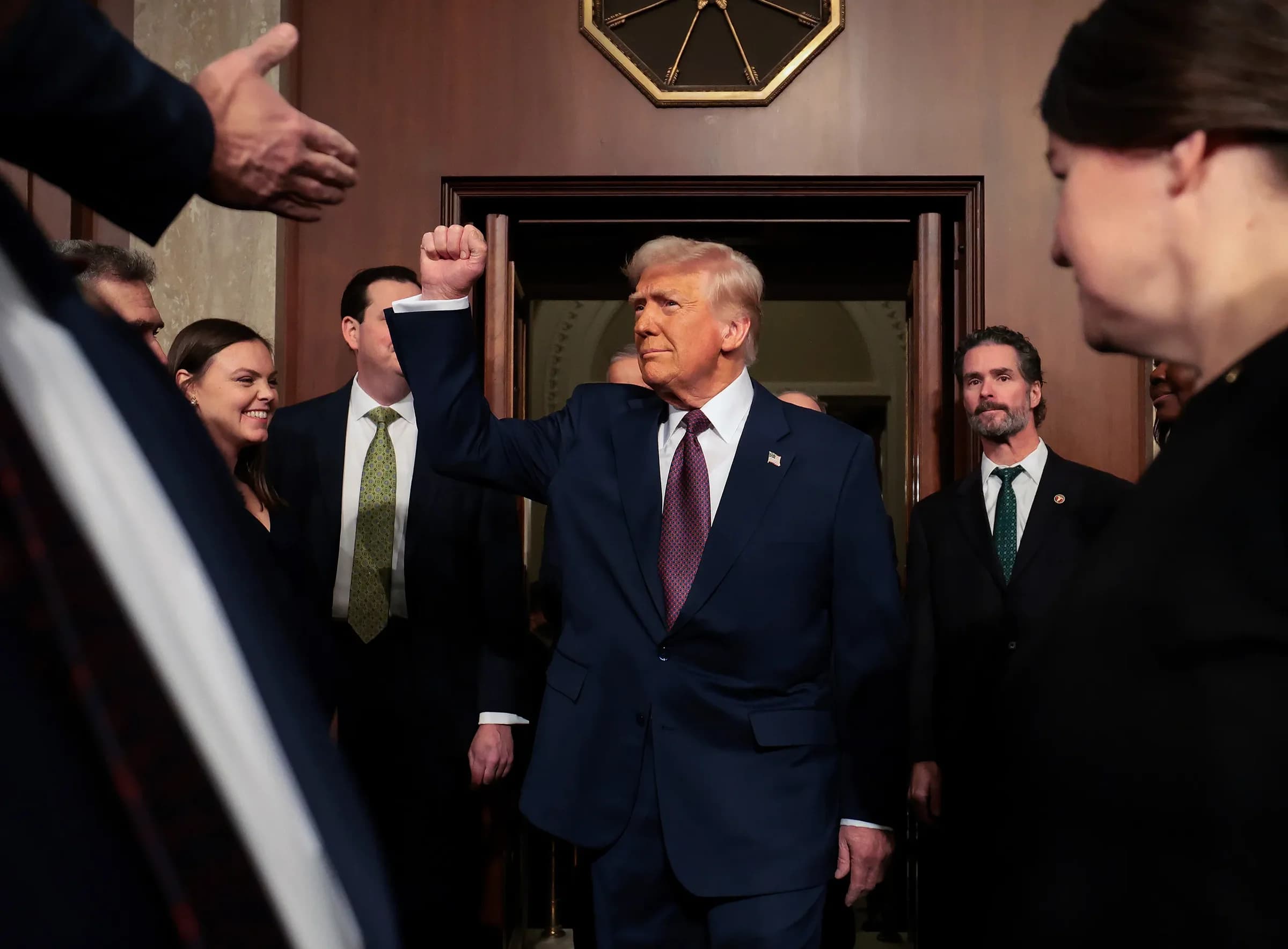
U.S. President Donald Trump is facing a sharp decline in public approval, as new polling data reveals growing dissatisfaction among Americans—largely driven by economic hardship and controversial foreign policy decisions. Recent surveys paint a troubling picture for the White House. Polls conducted by major institutions show Trump’s approval ratings hovering in the low-to-mid 30 percent range, marking some of the weakest numbers of his political career. A study by the Pew Research Center earlier this year placed his approval at 37 percent, while more recent polls suggest further erosion. Eco
U.S. President Donald Trump is facing a sharp decline in public approval, as new polling data reveals growing dissatisfaction among Americans—largely driven by economic hardship and controversial foreign policy decisions. Recent surveys paint a troubling picture for the White House. Polls conducted by major institutions show Trump’s approval ratings hovering in the low-to-mid 30 percent range, marking some of the weakest numbers of his political career. A study by the Pew Research Center earlier this year placed his approval at 37 percent, while more recent polls suggest further erosion. Economic Concerns Take Center Stage At the heart of the decline is the rising cost of living. Inflation, fuel prices, and everyday expenses continue to strain American households, with many voters holding the president accountable. Approval of Trump’s handling of the economy has dropped significantly, with even lower ratings tied specifically to cost-of-living issues. Economic dissatisfaction has historically been a key driver of political sentiment in the United States, and current trends suggest a widespread perception that the administration has not delivered on its promises. Analysts note that when approval ratings fall into the 30 percent range, it often signals not just opposition from rival voters, but also weakening support within a president’s own political base. Foreign Policy Adds Pressure Trump’s decision to escalate military tensions with Iran earlier this year has further complicated his standing. The move has proven unpopular among a broad segment of the public, adding to concerns about stability and leadership at a time when economic anxieties are already high. Political experts often compare such situations to historical precedents, including the later years of George W. Bush’s presidency, when prolonged conflict abroad and economic downturn at home significantly damaged public trust. Shifting Political Landscape The implications of Trump’s declining popularity are already being felt across the political spectrum. A recent poll by Fox News indicated that Americans now slightly favor the Democratic Party over the Republican Party on economic management—a notable shift after years of Republican advantage on the issue. Meanwhile, early indicators suggest Democrats may gain momentum heading into upcoming elections. Analysts point to increasing voter enthusiasm among Democratic supporters and competitive polling in key battleground districts that will determine control of the United States House of Representatives. Control of the United States Senate, while more uncertain, is also being discussed as a potential contest depending on how current trends evolve. Challenges Ahead Despite criticism, Trump has dismissed negative polling as inaccurate or biased, at times highlighting favorable results from partisan or limited-scope surveys. However, the consistency of the downward trend across multiple independent polls suggests broader structural challenges. Political observers argue that reversing such declines will require tangible improvements in economic conditions and clearer communication from the administration. Without that, Trump risks entering a critical phase of his presidency with historically low public support. As the next election cycle approaches, voter sentiment will likely hinge on whether Americans feel their economic situation has improved—or whether dissatisfaction continues to deepen.



Comments
No comments yet. Be the first to share a thought.