
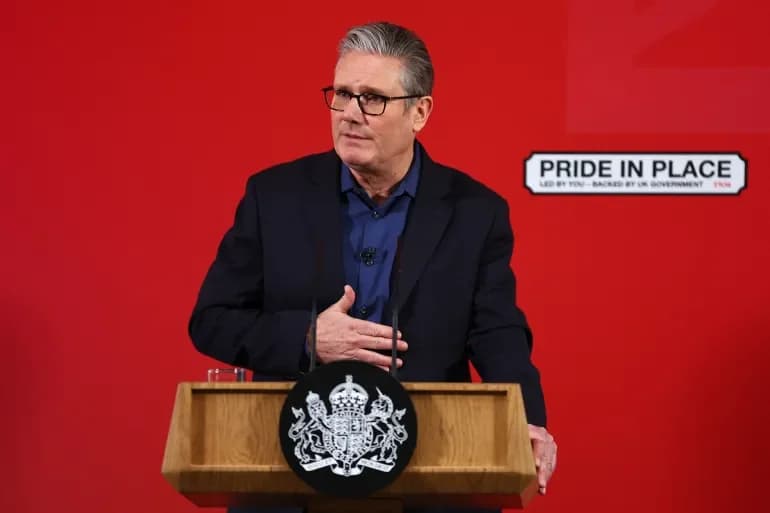
On 5 February 2026, British Prime Minister Sir Keir Starmer publicly apologised to the victims of convicted sex offender Jeffrey Epstein, admitting he had believed Peter Mandelson’s lies and wrongly appointed him as the UK’s ambassador to the United States. Starmer acknowledged the deep hurt endured by survivors, saying: “I am sorry — sorry for what was done to you… and for having believed Mandelson’s lies and appointed him.” UK Prime Minister Sir Keir Starmer apologises to Epstein victims over Mandelson appointment, admitting he was misled. The apology came after revelations about Mandels
On 5 February 2026, British Prime Minister Sir Keir Starmer publicly apologised to the victims of convicted sex offender Jeffrey Epstein, admitting he had believed Peter Mandelson’s lies and wrongly appointed him as the UK’s ambassador to the United States. Starmer acknowledged the deep hurt endured by survivors, saying: “I am sorry — sorry for what was done to you… and for having believed Mandelson’s lies and appointed him.”
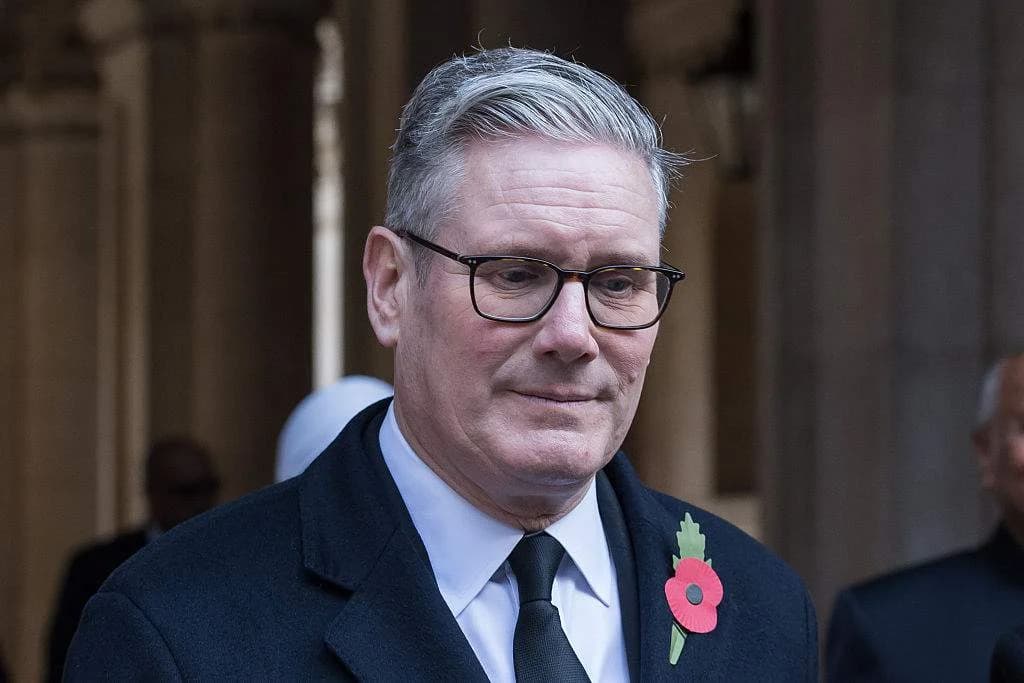
UK Prime Minister Sir Keir Starmer apologises to Epstein victims over Mandelson appointment, admitting he was misled.
The apology came after revelations about Mandelson’s ties to Epstein, which Starmer said he and his team had not fully understood at the time. Mandelson has since resigned from the House of Lords and faces police investigation over alleged misconduct linked to Epstein. The political fallout is significant. Opposition parties and some Labour members have criticised Starmer’s judgment, calling for greater accountability. Starmer stressed that the government must uphold transparency and justice, pledging that “in this country we will not look away.” This moment highlights the importance of truth, accountability, and survivor-centered governance, reinforcing that political decisions must always consider the victims first.



Comments
No comments yet. Be the first to share a thought.