
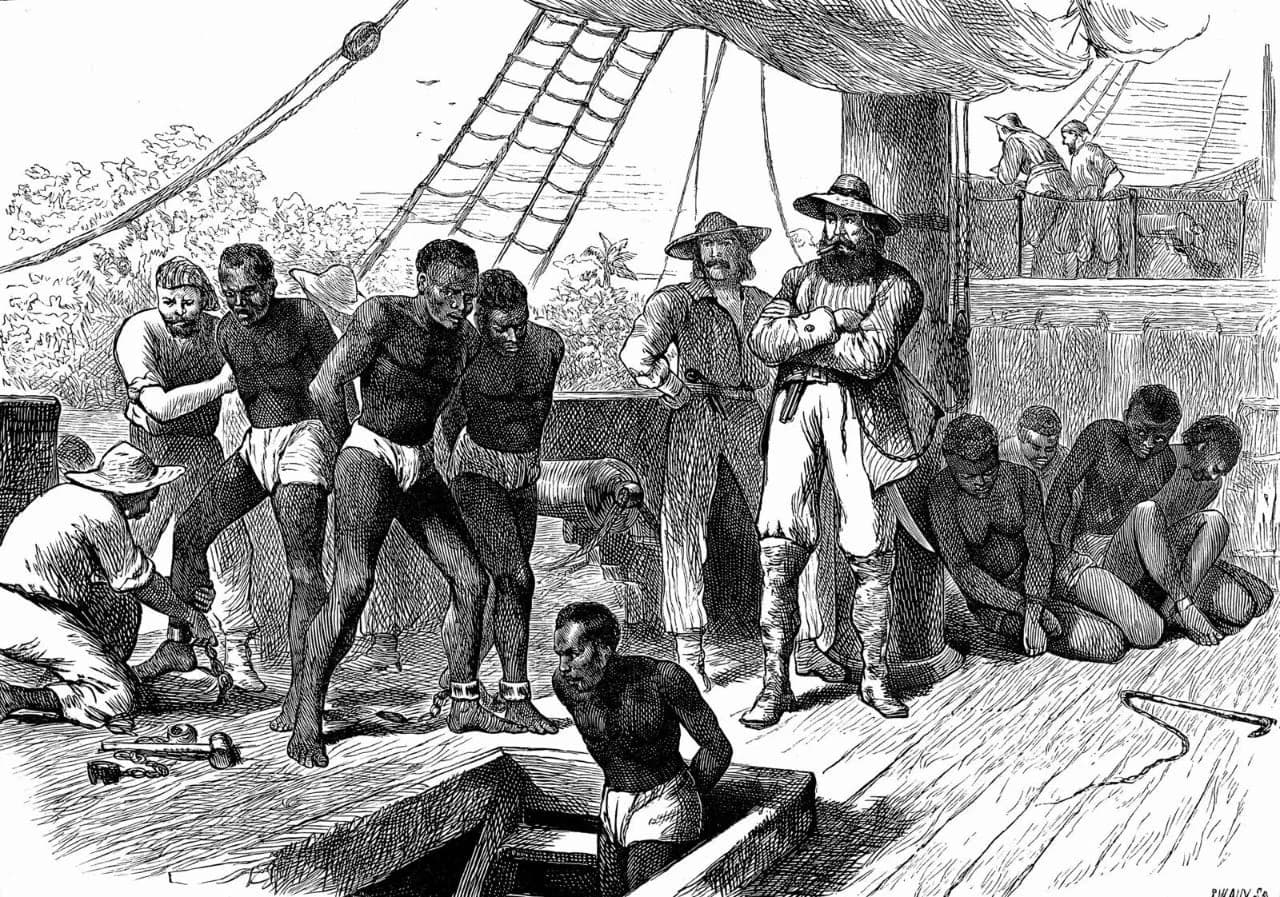
The United Nations General Assembly has officially passed a resolution recognizing the Transatlantic Slave Trade as the gravest crime against humanity. The proposal, championed by a coalition of African nations led by Ghana, passed with a resounding majority, marking a historic turning point in the centuries-long struggle for formal acknowledgment of the trade’s enduring impact. The resolution, which secured 123 votes in favor, explicitly categorizes the centuries of forced migration and enslavement of millions of Africans not merely as a historical tragedy, but as a legal and moral crime of
The United Nations General Assembly has officially passed a resolution recognizing the Transatlantic Slave Trade as the gravest crime against humanity. The proposal, championed by a coalition of African nations led by Ghana, passed with a resounding majority, marking a historic turning point in the centuries-long struggle for formal acknowledgment of the trade’s enduring impact. The resolution, which secured 123 votes in favor, explicitly categorizes the centuries of forced migration and enslavement of millions of Africans not merely as a historical tragedy, but as a legal and moral crime of the highest order. While the atmosphere in the General Assembly hall was celebratory following the vote, the result also highlighted deep geopolitical fractures. The United States, Israel, and Argentina voted against the measure, while the United Kingdom and the European Union abstained. Addressing the assembly shortly after the vote, President John Mahama of Ghana, the primary architect of the proposal delivered an emotional address. "Today, the world has finally looked truth in the eye," Mahama stated. "This is not about reopening old wounds, it is about suturing them with the thread of justice. By naming this the gravest crime against humanity, we create a permanent safeguard against forgetting and a foundation upon which a more equitable future can be built."
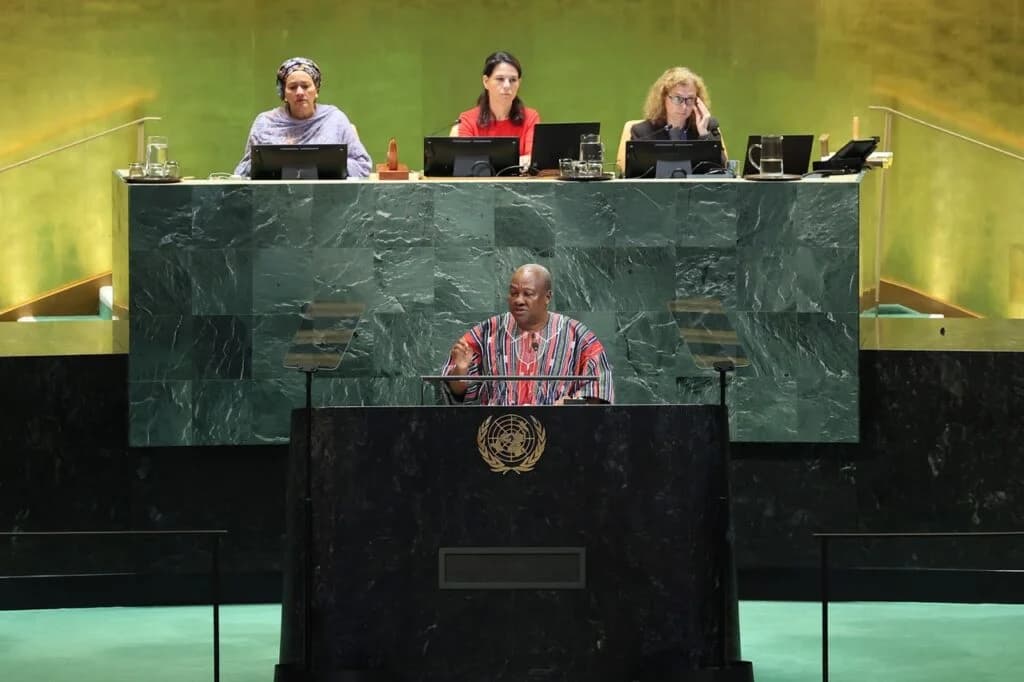
President John Mahama of Ghana, the primary architect of the proposal addressing the assembly
The resolution includes language that acknowledges the systemic underdevelopment of the African continent and the intergenerational trauma experienced by the African Diaspora as direct consequences of the trade. The primary sticking point for dissenting and abstaining nations remains the mention of a Global Reparations Framework. Although the resolution does not legally mandate specific payments, it encourages member states to engage in structured dialogue regarding financial and developmental restitution. In contrast, Dr. Amina J. Mohammed, UN Deputy Secretary-General, emphasized the necessity of the framework during a press briefing; "True reconciliation is impossible without addressing the economic chasm created by centuries of exploitation. This vote is the first step in a long process of restorative justice." While the resolution is non-binding, its symbolic and diplomatic weight is immense. It provides a new legal vocabulary for African nations to pursue developmental aid and cultural heritage returns.



Comments
No comments yet. Be the first to share a thought.