
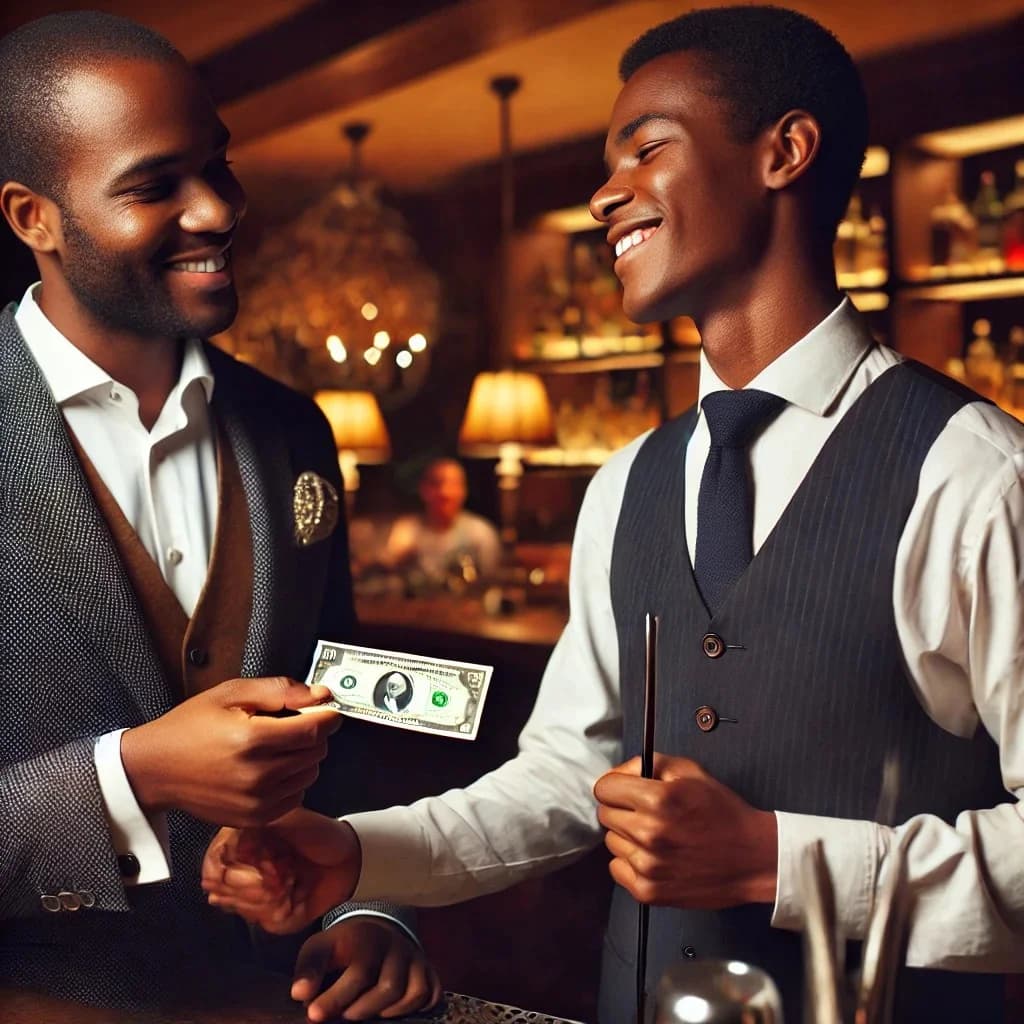
If you have traveled to restaurants, bars, or salons, you may have encountered a waiter or service worker saying, "Boss, a tip?" when you go to pay your bill. Tipping—the act of giving extra money to service workers for their efforts—varies widely across cultures and has a complex history. Understanding these differences is crucial for travelers and those working internationally. The practice of tipping is believed to have originated in 17th-century England, where patrons gave gratuities to servants for satisfactory service. This custom spread to the United States in the post-Civil War era,
If you have traveled to restaurants, bars, or salons, you may have encountered a waiter or service worker saying, "Boss, a tip?" when you go to pay your bill. Tipping—the act of giving extra money to service workers for their efforts—varies widely across cultures and has a complex history. Understanding these differences is crucial for travelers and those working internationally. The practice of tipping is believed to have originated in 17th-century England, where patrons gave gratuities to servants for satisfactory service. This custom spread to the United States in the post-Civil War era, partly as a way for employers to avoid paying higher wages to newly freed Black workers, thereby perpetuating economic disparities. Over time, tipping became deeply ingrained in American society, especially in the hospitality and service industries. Tipping Practices Around the World United States: Tipping is customary and expected in many service-related industries. Patrons typically add 15-20% to their bills in restaurants, bars, and salons. This practice exists because many service workers receive lower base wages and rely on tips to supplement their income. France: A service charge is often included in the bill (service compris). While additional tipping isn't mandatory, leaving small change as a token of appreciation is common. Brazil: Tipping is culturally ingrained, especially in the hospitality sector. A 10-15% tip is customary in restaurants and bars, and small gratuities are appreciated for hotel staff. Japan: Tipping is neither expected nor customary and can even be considered rude. Exceptional service is standard, and gratitude is best expressed verbally. South Korea: Tipping is uncommon and may be perceived as rude. High-end establishments may include a service charge, but generally, verbal expressions of gratitude are preferred. In recent years, tipping practices have faced scrutiny and evolution. The rise of digital payment platforms has made tipping prompts more visible, leading to phenomena like "guilt tipping," where customers feel obligated to tip even for minimal service.



Comments
No comments yet. Be the first to share a thought.