
The Democratic Republic of Congo (DRC) has long been plagued by instability, ethnic persecution, and systemic human rights violations. At the heart of this crisis is a troubling nexus between the Congolese government, armed groups, and mercenaries, which perpetuates violence, displacement, and a culture of impunity. Despite numerous reports by the United Nations and international human rights organizations, the international community has struggled—or worse, failed—to address these systemic issues effectively. State Collaboration with Armed Groups and Mercenaries The Congolese national army
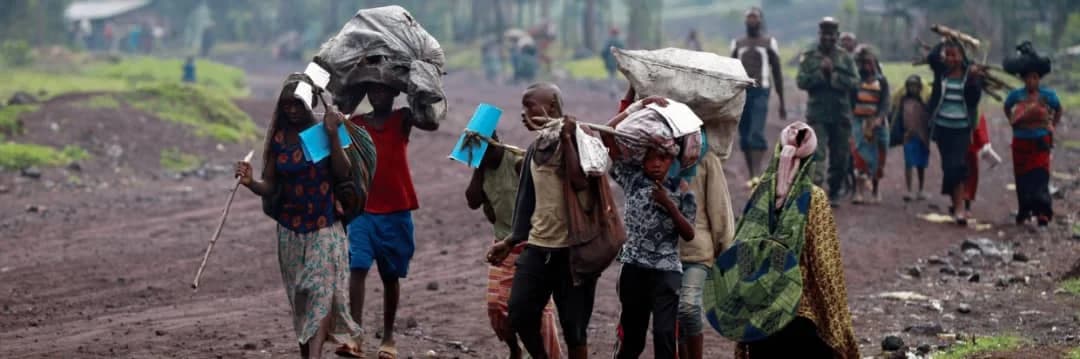
The Democratic Republic of Congo (DRC) has long been plagued by instability, ethnic persecution, and systemic human rights violations. At the heart of this crisis is a troubling nexus between the Congolese government, armed groups, and mercenaries, which perpetuates violence, displacement, and a culture of impunity. Despite numerous reports by the United Nations and international human rights organizations, the international community has struggled—or worse, failed—to address these systemic issues effectively. State Collaboration with Armed Groups and Mercenaries The Congolese national army (FARDC) has a documented history of collaborating with armed groups, including the FDLR (Democratic Forces for the Liberation of Rwanda), a militia composed of former génocidaires responsible for the 1994 genocide against the Tutsi in Rwanda. Although the FDLR has been sanctioned by the UN and designated a terrorist organization by the U.S. since 2001, it remains active in Eastern DRC. There, it collaborates with the FARDC to target specific ethnic communities, particularly the Congolese Tutsi. The October 2023 incident in Nturo village, Masisi territory—where over 300 homes belonging to Congolese Tutsi were burned down—highlights the FARDC’s tacit or active complicity in ethnic violence. Such collaboration emboldens groups like the FDLR and Nyatura militias, perpetuating cycles of ethnic cleansing under the guise of counter-insurgency operations. Adding to the complexity is the increasing involvement of foreign mercenaries in Eastern DRC. According to a UN Group of Experts report, the government has turned to these actors to bolster its military efforts, often at the expense of civilian safety. Operating with minimal oversight, these mercenaries, including some linked to international private security firms, have further destabilized the region and exacerbated human rights abuses. Hate Speech and Ethnic Persecution Ethnic hate speech has become a disturbingly normalized tool of governance in the DRC. Political and military leaders openly target the Congolese Tutsi community, fostering a hostile environment that legitimizes violence. The proliferation of hate speech in the media and on social platforms has created a volatile atmosphere, as documented by organizations like Human Rights Watch and Amnesty International. This rhetoric, amplified by state-backed propaganda, frames legitimate movements like M23 as "terrorists," despite their origins as a response to systemic persecution. The international community has largely echoed this narrative, failing to scrutinize the state's role in inciting violence and marginalizing certain communities. The Humanitarian Crisis and Displacement The violence in Eastern DRC has fueled one of the world’s most severe and prolonged humanitarian crises. According to UNHCR, over 5.6 million people are internally displaced, with another 1.1 million seeking refuge in neighboring countries. These refugees, predominantly from persecuted groups like the Congolese Tutsi, face statelessness, dire living conditions, and limited access to international support. Efforts by the UN and African Union to facilitate repatriation and address the root causes of displacement have been inconsistent and insufficient. Refugee camps in Uganda, Rwanda, and other neighboring countries remain overcrowded and underfunded, underscoring the international community’s failure to prioritize human rights over political alliances. The Role of the International Community The international response to the DRC’s crisis has been deeply flawed, characterized by reluctance to confront the government’s complicity in violence. By focusing on superficial solutions, such as peacekeeping missions, while ignoring systemic issues like state-sponsored terror, the UN, AU, and other actors have inadvertently sustained the status quo. Key Areas of International Neglect: 1. Failure to Investigate State Crimes : The FARDC’s alliances with genocidal militias and mercenaries have been well-documented but inadequately addressed by international bodies. 2. Skewed Narrative : Movements like M23 are demonized without acknowledging their role in defending persecuted communities, while FARDC atrocities remain unpunished. 3. Inadequate Refugee Support: The lack of comprehensive strategies to support displaced Congolese highlights a broader indifference to human suffering. Terrorism or Legitimate Defense? A Question of Perspective The DRC government’s labeling of M23 as a terrorist group raises critical questions about the definition of terrorism in the context of Eastern DRC. Can a group protecting a marginalized community from state-sponsored violence be equated with militias targeting civilians? Incidents like the burning of over 300 homes in Nturo village suggest that acts of terror are more accurately attributed to state-aligned forces and their allies. Recommendations for Change 1. Accountability for State Collaboration : International actors must pressure the DRC government to end its alliances with armed groups and mercenaries. Independent investigations into these collaborations are essential. 2. Countering Hate Speech : The UN and other bodies should prioritize initiatives to monitor and combat hate speech, ensuring it is not used as a tool for ethnic persecution. 3. Support for Displaced Communities* : Greater investment in refugee welfare and repatriation programs is needed, along with efforts to address the root causes of displacement. 4. Balanced Diplomacy: The international community must adopt a more nuanced approach, recognizing the legitimate grievances of movements like M23 while holding the government accountable for its actions.



Comments
No comments yet. Be the first to share a thought.