
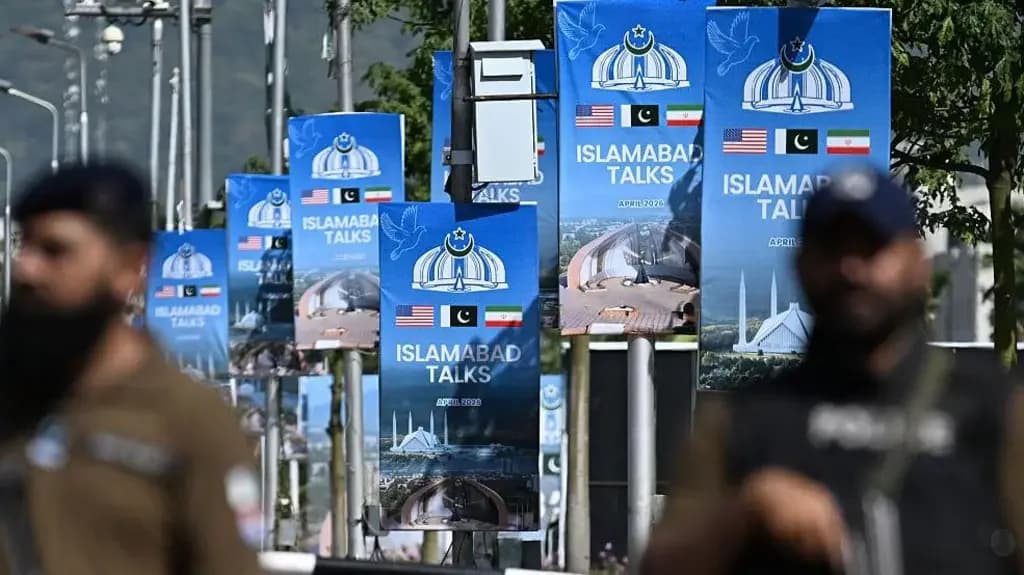
Tensions between the United States and Iran have escalated sharply after US forces intercepted and seized an Iranian-flagged cargo vessel in the Gulf of Oman, an incident that both sides are describing in drastically different terms. According to US President Donald Trump, the ship was repeatedly warned to stop but refused to comply, prompting US Navy forces to disable it. Trump claimed that US forces “blasted a hole in the engine room” after issuing multiple warnings, saying the operation was necessary to stop the vessel from breaching a blockade on Iranian ports. US Central Command later st
Tensions between the United States and Iran have escalated sharply after US forces intercepted and seized an Iranian-flagged cargo vessel in the Gulf of Oman, an incident that both sides are describing in drastically different terms. According to US President Donald Trump, the ship was repeatedly warned to stop but refused to comply, prompting US Navy forces to disable it. Trump claimed that US forces “blasted a hole in the engine room” after issuing multiple warnings, saying the operation was necessary to stop the vessel from breaching a blockade on Iranian ports. US Central Command later stated that Marines boarded the ship after a prolonged standoff, during which the vessel allegedly ignored repeated instructions to halt. The operation reportedly involved a helicopter insertion from a nearby US assault ship, followed by the disabling of the vessel’s propulsion system. Iran has strongly condemned the action, calling it a violation of the ceasefire arrangement and accusing the US of “armed piracy.” Iranian military officials have vowed retaliation, while state-linked media reported drone activity targeting US naval assets in the region. No confirmed damage has been reported from those alleged strikes. The incident has further strained already fragile diplomatic efforts. High-level talks between Washington and Tehran are scheduled to take place in Islamabad, Pakistan, with a US delegation led by Vice President JD Vance expected to attend. However, Iranian officials have said no final decision has been made on participation, citing continued US military pressure and the ongoing naval blockade as key obstacles. Iran’s foreign ministry has accused the United States of undermining diplomacy, arguing that Washington’s actions do not reflect genuine commitment to negotiations. Tehran has also reiterated that it will not accept external pressure on its nuclear programme or maritime control of strategic waterways such as the Strait of Hormuz. Meanwhile, global markets reacted immediately to the escalation. Oil prices surged by nearly 5%, reflecting fears of disruption to energy supplies flowing through the Gulf region. European stock markets also fell as investors responded to growing instability in one of the world’s most critical shipping routes. Analysts say the situation leaves the already fragile ceasefire on the brink of collapse, with little trust remaining between both sides. Some warn that continued escalation at sea could derail any chance of meaningful diplomatic progress in the coming days. With the ceasefire set to expire soon and neither side showing signs of compromise, the risk of a wider regional confrontation remains high.



Comments
No comments yet. Be the first to share a thought.