
The United States Supreme Court has refused to allow the Trump administration to deploy National Guard troops to the Chicago area, dealing a legal setback to the president’s efforts to use federal military forces in domestic law enforcement. In a 6–3 decision issued on Tuesday, the court left in place a lower court ruling that blocked the deployment of hundreds of National Guard members to Illinois, despite objections from state and city officials. The justices said the federal government had failed to demonstrate a clear legal basis for federalising the Guard, noting that such authority like
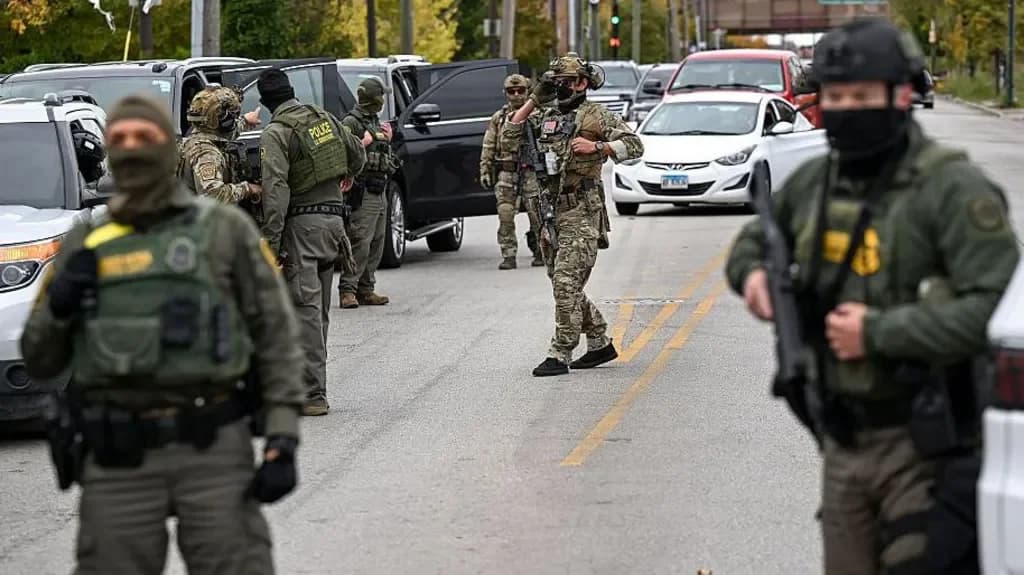
The United States Supreme Court has refused to allow the Trump administration to deploy National Guard troops to the Chicago area, dealing a legal setback to the president’s efforts to use federal military forces in domestic law enforcement. In a 6–3 decision issued on Tuesday, the court left in place a lower court ruling that blocked the deployment of hundreds of National Guard members to Illinois, despite objections from state and city officials. The justices said the federal government had failed to demonstrate a clear legal basis for federalising the Guard, noting that such authority likely applies only in “exceptional circumstances”. The case stemmed from protests linked to federal immigration enforcement at an Immigration and Customs Enforcement (ICE) facility in the Chicago suburbs. The Trump administration argued that troops were needed to protect federal personnel and property amid what it described as escalating unrest. Illinois officials, led by Governor JB Pritzker, countered that the protests did not amount to violence serious enough to justify a military response. Lower courts had already ruled against the administration, with a federal judge finding no evidence of a “rebellion or danger of rebellion” and an appeals court upholding that decision. The Supreme Court’s ruling keeps those decisions in force while the wider legal dispute continues. In its unsigned order, the court said the government had not “identified a source of authority that would allow the military to execute the laws in Illinois.” Three conservative justices — Samuel Alito, Clarence Thomas and Neil Gorsuch — dissented from the ruling. Illinois officials welcomed the decision, with Governor Pritzker describing it as a victory for state authority and democratic principles. The White House said it remains committed to enforcing immigration laws and protecting federal personnel. The decision represents a rare rebuke from the Supreme Court to the Trump administration and could influence similar legal challenges in other US cities where the federal government has sought to deploy National Guard troops, according to Reuters.



Comments
No comments yet. Be the first to share a thought.