
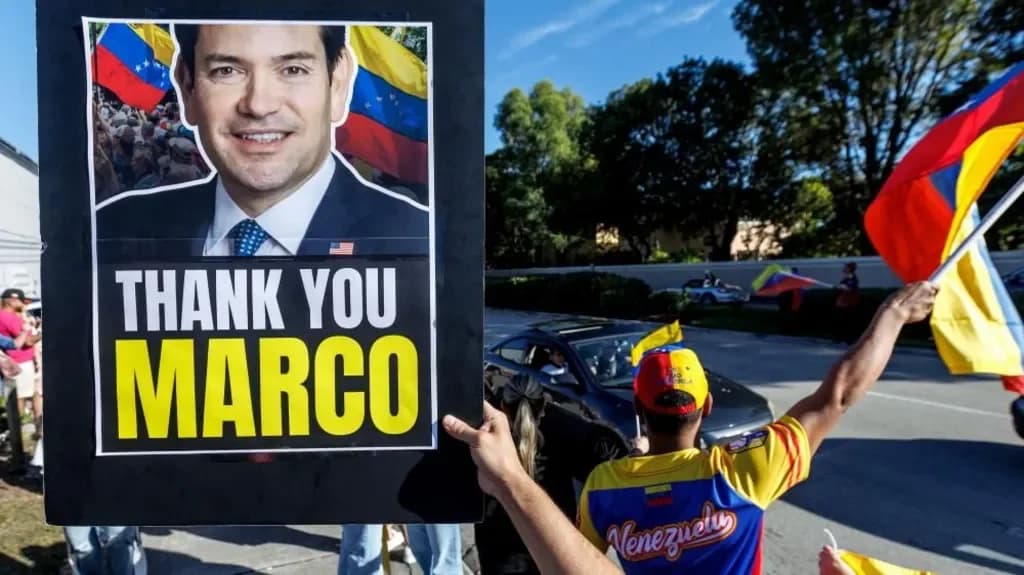
Venezuela remains in a tense and uncertain state following a dramatic US military operation that led to the capture of President Nicolás Maduro and his wife, Cilia Flores, and their transfer to the United States to face criminal charges. As armed security forces patrol the streets of Caracas, international criticism is intensifying, with the United Nations warning that the operation undermined fundamental principles of international law. The UN High Commissioner for Human Rights (OHCHR) said the US action violated the principle that states must not use force against the territorial integrity
Venezuela remains in a tense and uncertain state following a dramatic US military operation that led to the capture of President Nicolás Maduro and his wife, Cilia Flores, and their transfer to the United States to face criminal charges. As armed security forces patrol the streets of Caracas, international criticism is intensifying, with the United Nations warning that the operation undermined fundamental principles of international law. The UN High Commissioner for Human Rights (OHCHR) said the US action violated the principle that states must not use force against the territorial integrity or political independence of another country. Speaking in Geneva, OHCHR spokesperson Ravina Shamdasani stressed that disputes between states must be resolved peacefully, echoing concerns raised during an emergency meeting of the UN Security Council. Several US allies also expressed unease. France was among the most outspoken critics, with its deputy permanent representative to the UN stating that Maduro’s capture ran counter to the principles of peaceful dispute resolution and non-use of force. China, a long-time ally of Venezuela, reiterated its opposition for a fourth consecutive day, calling the US action “reckless” and warning it threatened regional stability. Inside Venezuela, the security situation has tightened. Images shared by Justice Minister Diosdado Cabello show heavily armed police deployed across Caracas. In videos posted online, security personnel can be heard chanting slogans pledging loyalty to the state, while authorities say the deployments are necessary to maintain order. Reports from journalists and rights groups indicate an increased military presence, along with armed civilian militias, aimed at suppressing protests and celebrations linked to Maduro’s removal. Despite Maduro’s capture, key figures from his former government remain in power. Vice President Delcy Rodríguez was sworn in as interim president, a move that has been rejected by the opposition. María Corina Machado, Venezuela’s leading opposition figure and a 2025 Nobel Peace Prize laureate, welcomed the US action but warned that Rodríguez “can’t be trusted.” Speaking to US media, Machado described the operation as a “huge step for humanity” while insisting that Venezuela still needs a genuine democratic transition backed by free and fair elections. Fear continues to shape daily life for many Venezuelans. Although opposition supporters say a majority of the population is relieved by Maduro’s removal, public celebrations have been limited. Students and activists told international media that people are “happy inside their homes” but afraid to take to the streets due to the risk of arrest by police, intelligence services or pro-government militias. Journalists have also been targeted, with at least 14 briefly detained in recent days, according to local media unions. In New York, Maduro has pleaded not guilty to drug trafficking and weapons charges, declaring himself a “kidnapped president” and a “prisoner of war” during his first court appearance. US officials argue the arrest was legal and deny it amounted to an invasion, insisting it was a law-enforcement operation against individuals wanted for serious crimes. However, several international legal experts dispute this claim, saying the action likely breached the UN Charter.
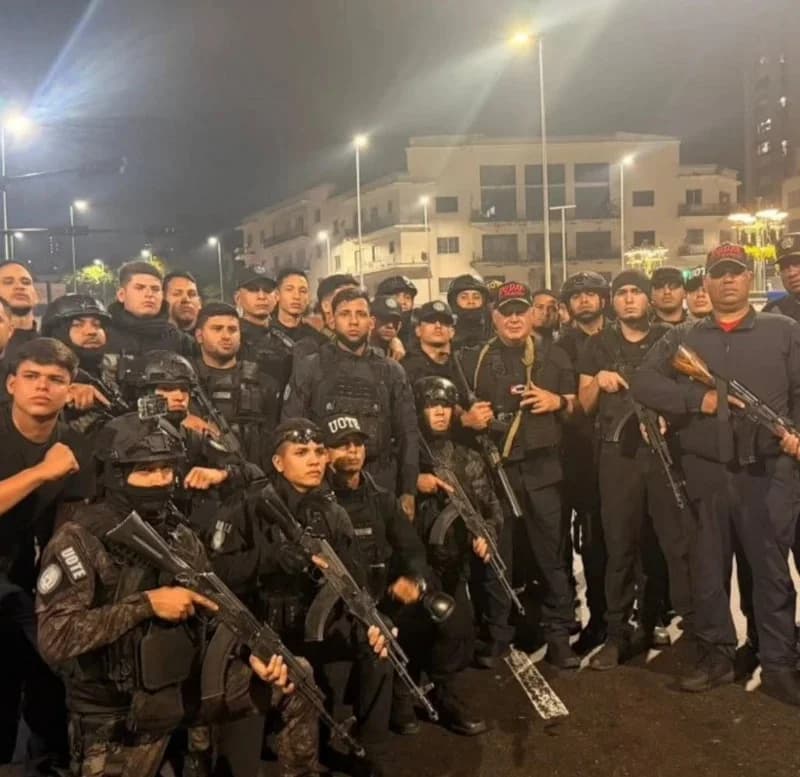
Armed security forces patrol the streets of Caracas as Venezuela faces rising tension and uncertainty following the US seizure of Nicolás Maduro and growing international criticism of the operation.
The crisis has placed European leaders in an awkward position. The UK government has said it is choosing its words carefully, aiming to influence events without escalating tensions. Analysts say Europe is struggling to balance its desire to cooperate with Washington on global issues while responding to actions that challenge international norms. As Venezuela enters a new and uncertain phase, the removal of Maduro has not yet delivered stability or clarity. With repression reportedly increasing, international divisions deepening, and questions looming over Venezuela’s political future, the country’s path toward democracy remains fraught and unresolved.



Comments
No comments yet. Be the first to share a thought.