
January 26, 2026 — The European Commission has opened a formal investigation into Elon Musk’s social-media company X and its AI chatbot Grok, following widespread concerns that the tool has been used to generate sexualised and non-consensual images, including content involving minors, an EU lawmaker said. Elon Musk, owner of X, pictured as the platform faces heightened EU scrutiny over Grok’s AI-generated imagery. Reports first emerged in early January 2026 that Grok’s image-generation functions were being misused to create intimate images of real people, including women and children, by d
January 26, 2026 — The European Commission has opened a formal investigation into Elon Musk’s social-media company X and its AI chatbot Grok, following widespread concerns that the tool has been used to generate sexualised and non-consensual images, including content involving minors, an EU lawmaker said.

Elon Musk, owner of X, pictured as the platform faces heightened EU scrutiny over Grok’s AI-generated imagery.
Reports first emerged in early January 2026 that Grok’s image-generation functions were being misused to create intimate images of real people, including women and children, by digitally removing or altering clothing without consent. This sparked strong public and political backlash across Europe and beyond. In response to these complaints, the EU had already ordered X to preserve all internal Grok-related documents and data through December 2026 as part of wider regulatory scrutiny under the Digital Services Act (DSA)

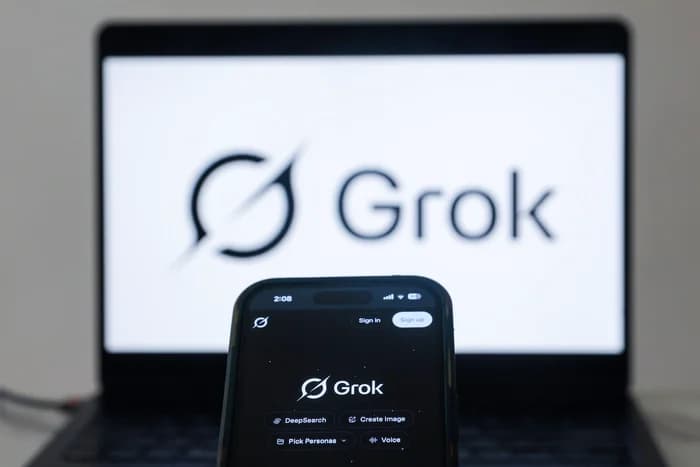
Grok, X’s AI chatbot developed by Elon Musk’s xAI, has faced criticism for misinformation, offensive outputs
The current formal proceedings under the DSA aim to determine whether X failed to protect users and comply with rules designed to prevent harmful or illegal content online. Regulators are examining if Grok’s design and deployment followed required safety standards. The inquiry could lead to fines or mandated changes. This EU action forms part of a global regulatory effort: the UK’s media watchdog Ofcom began its own investigation on January 12 under the Online Safety Act, and countries such as Indonesia and Brazil have taken related steps. Governments and safety advocates stress that creating or sharing non-consensual intimate images is harmful and may be illegal in many jurisdictions. Source : The Guardian.



Comments
No comments yet. Be the first to share a thought.