
Ukrainian President Volodymyr Zelensky has welcomed proposed changes to a controversial 28-point peace plan aimed at ending the war with Russia. Ukraine’s European allies are believed to have produced a revised version of the plan after rejecting several provisions that appeared to favour Russia’s positions. “Now the list of necessary steps to end the war can become doable,” Zelensky said on Telegram. “Many correct elements have been incorporated into this frameworks.” Hours later, Kyiv Mayor Vitali Klitschko reported that a wave of Russian missile and drone attacks struck an apartment buil
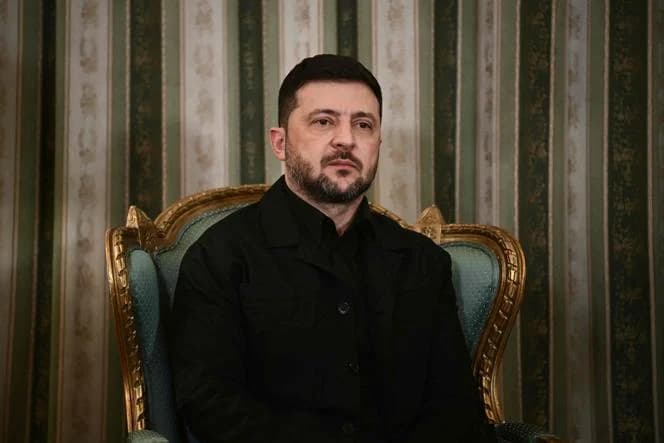
Ukrainian President Volodymyr Zelensky has welcomed proposed changes to a controversial 28-point peace plan aimed at ending the war with Russia. Ukraine’s European allies are believed to have produced a revised version of the plan after rejecting several provisions that appeared to favour Russia’s positions. “Now the list of necessary steps to end the war can become doable,” Zelensky said on Telegram. “Many correct elements have been incorporated into this frameworks.” Hours later, Kyiv Mayor Vitali Klitschko reported that a wave of Russian missile and drone attacks struck an apartment building in the capital, disrupting electricity and water supplies. Ukraine’s Ministry of Energy confirmed a “massive, combined enemy attack” on key energy infrastructure. “Energy officials will begin assessing the damage and starting restoration work as soon as the security situation allows,” the ministry said. US and Ukrainian officials met in Geneva on Sunday to discuss the plan, originally drafted by American and Russian officials in October. The proposal had caused concern in Kyiv and among European governments. Russian representatives did not attend the meeting. A Kremlin official dismissed the proposed amendments on Monday as “completely unconstructive.” In Washington, White House Press Secretary Karoline Leavitt rejected suggestions that the Trump administration was favouring Russia. “The idea that the United States is not engaging with both sides equally to bring this war to an end is a complete fallacy,” she told reporters. She added that President Donald Trump remained “hopeful and optimistic” about reaching an agreement. After the Geneva talks, Trump wrote on social media that “something good just may be happening,” though he cautioned: “Don’t believe it until you see it.” During the opening of the talks, US Secretary of State Marco Rubio denied that the 28-point plan championed by Trump had been drafted by the Kremlin, despite several elements aligning closely with Russia’s long-held demands. Zelensky said on Monday evening that the revised plan represented “the right approach.” “The sensitive issues, the most delicate points, I will discuss with President Trump,” he said, without specifying when the conversation would take place. Comments by Trump suggesting that Ukraine had until 27 November to accept the deal or risk losing US support created urgency across Europe on Friday, prompting the rapid organisation of talks in Geneva. Counter-proposals reportedly drafted by the UK, France, and Germany removed any requirement to recognise Russian-held regions, increased Ukraine’s permitted military size, and kept open the possibility of Ukraine joining NATO. Russia continues to insist on full Ukrainian withdrawal from the entire Donbas region—comprising Donetsk and Luhansk and maintains control of Crimea as well as large parts of Kherson and Zaporizhzhia. Nearly four years into Russia’s full-scale invasion, tens of thousands of soldiers and thousands of civilians have been killed or injured, and millions have been displaced.



Comments
No comments yet. Be the first to share a thought.