
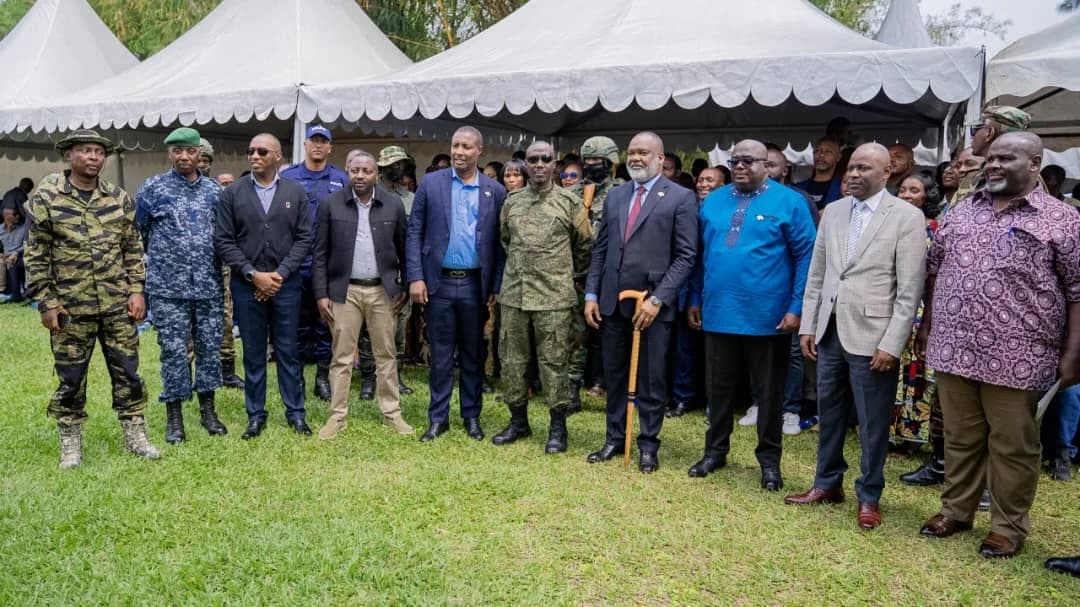
L’Alliance Fleuve Congo / Mouvement du 23 Mars (AFC/M23)has issued a sharply worded statement accusing the government of the Democratic Republic of the Congo of escalating military operations in the east, as confusion persists over competing ceasefire initiatives and mounting humanitarian concerns. In its latest communiqué, the alliance claimed that Kinshasa had launched drone strikes and coordinated offensives in areas including Minembwe, Kalongi, Kalingi, and Kakenke. The group accused the government of pursuing what it described as a strategy of terror against communities in the region, pa
L’Alliance Fleuve Congo / Mouvement du 23 Mars (AFC/M23)has issued a sharply worded statement accusing the government of the Democratic Republic of the Congo of escalating military operations in the east, as confusion persists over competing ceasefire initiatives and mounting humanitarian concerns. In its latest communiqué, the alliance claimed that Kinshasa had launched drone strikes and coordinated offensives in areas including Minembwe, Kalongi, Kalingi, and Kakenke. The group accused the government of pursuing what it described as a strategy of terror against communities in the region, particularly the Banyamulenge population in Minembwe.
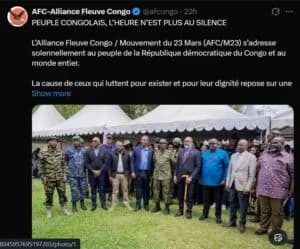
AFC/M23's official Twitter account publishes a solemn address "to the Congolese people and the entire world" — declaring that "the time for silence is over."
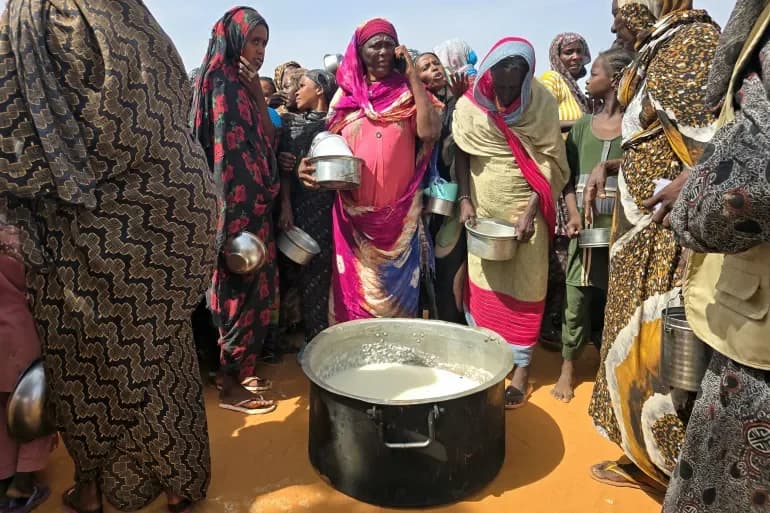
However, the ceasefire picture is more complex than the rebel statement suggests. In February, regional talks in Luanda, Angola, produced a proposal for a ceasefire to take effect on February 18. Yet AFC/M23 officials said they were not invited to those Luanda discussions and therefore did not recognize that framework. The movement has repeatedly stated since mid-February that it is committed only to a separate negotiation track in Doha, Qatar. As a result, references to “a ceasefire signed in Doha” differ from the Angolan-backed proposal, reflecting parallel and at times competing diplomatic processes rather than a single unified agreement. Kinshasa has consistently rejected M23’s accusations and maintains that its military operations are aimed at restoring state authority and protecting civilians. Congolese authorities describe M23 as an armed insurgent movement destabilizing the region and violating national sovereignty. The human rights dimension further complicates the narrative. United Nations experts have condemned serious abuses attributed to M23 fighters, including alleged kidnappings, torture, sexual violence, and attacks against human rights defenders documenting violations in rebel-held areas. These findings highlight that civilians have faced grave risks from multiple actors in the conflict. Meanwhile, the humanitarian toll continues to rise. Fighting around Minembwe since early February has displaced large numbers of civilians, adding to an already severe crisis in eastern Congo. Displaced families face shortages of food, shelter, and medical care, while aid agencies warn that continued hostilities could further destabilize South Kivu and neighboring provinces. Eastern Congo has endured decades of cyclical violence involving government forces, local militias, and armed groups. Despite multiple mediation efforts, fragile truces have repeatedly collapsed amid mistrust and competing political agendas. As the AFC/M23 reiterates its determination to resist what it calls Kinshasa’s “destructive policies,” and the government insists it is defending national unity, the gap between military realities and diplomatic efforts appears to be widening. For civilians caught in between, the immediate concern is less about competing narratives and more about safety, accountability, and the urgent need for a credible and inclusive peace process.
Comments
No comments yet. Be the first to share a thought.