
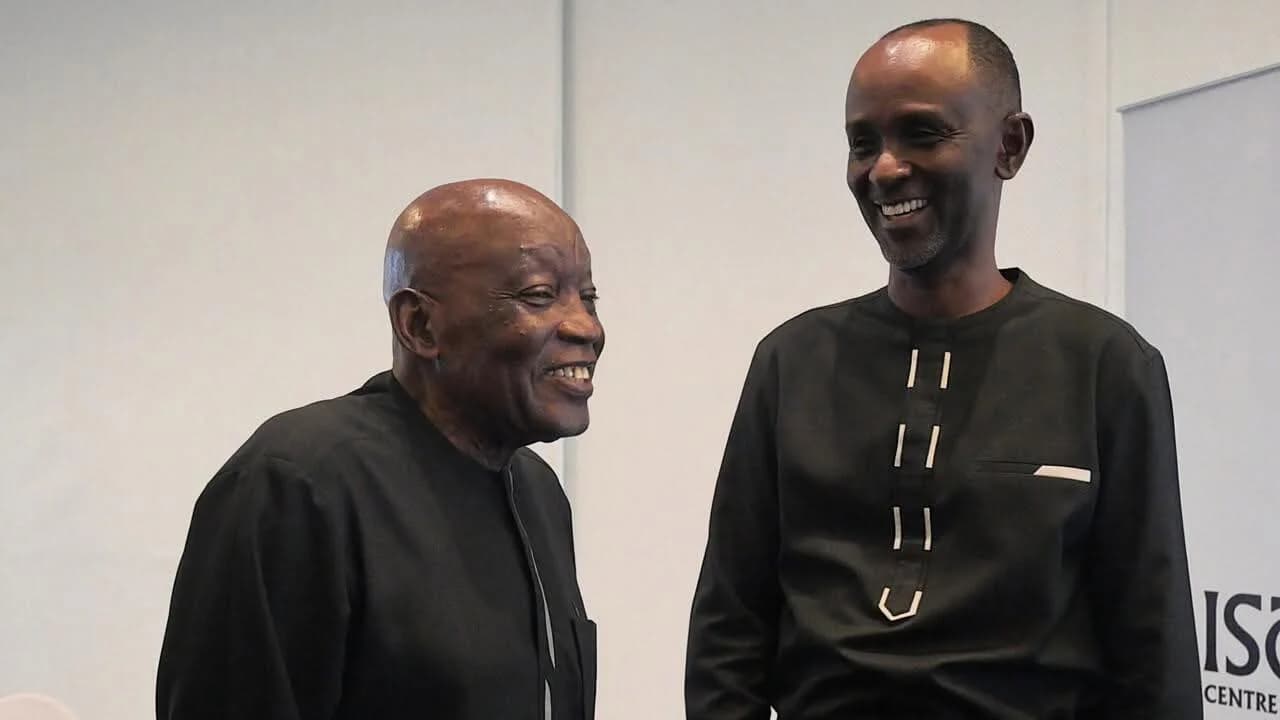
Thirty-one years after the 1994 genocide against the Tutsi in Rwanda, a group of African soldiers who once served in the United Nations peacekeeping mission (UNAMIR) have returned to Kigali. Their visit, coordinated by the Isoko Center for Humanity in partnership with the Aegis Trust and the Kigali Genocide Memorial, stands as a moving reminder of history, resilience, and the ongoing pursuit of peace. During their week-long commemorative tour, the peacekeepers visited locations that bear witness to Rwanda’s darkest chapter: Hotel des Mille Collines, Stade Amahoro, ETO Kicukiro, Byumba, and Mu
Thirty-one years after the 1994 genocide against the Tutsi in Rwanda, a group of African soldiers who once served in the United Nations peacekeeping mission (UNAMIR) have returned to Kigali. Their visit, coordinated by the Isoko Center for Humanity in partnership with the Aegis Trust and the Kigali Genocide Memorial, stands as a moving reminder of history, resilience, and the ongoing pursuit of peace. During their week-long commemorative tour, the peacekeepers visited locations that bear witness to Rwanda’s darkest chapter: Hotel des Mille Collines, Stade Amahoro, ETO Kicukiro, Byumba, and Mulindi. Hotel des Mille Collines became a symbol of refuge in 1994, sheltering hundreds who narrowly escaped slaughter. For the returning veterans, walking these sites was more than a historical visit—it was a journey back into memory, a confrontation with loss, and an act of solidarity with survivors. The United Nations Assistance Mission for Rwanda (UNAMIR) was established in October 1993 under Security Council Resolution 872, tasked with monitoring the Arusha Peace Agreement. But when genocide erupted in April 1994, UNAMIR’s limited mandate left peacekeepers in an impossible position. Resolution 912 (April 1994) scaled back the mission, restricting it largely to ceasefire mediation and humanitarian assistance. Resolution 925 (June 1994) modestly expanded the force, but by then, much of the killing had already taken place. Resolution 965 (November 1994) extended UNAMIR and added new responsibilities, including supporting reconciliation and protecting International Tribunal staff. Numerous inquiries later acknowledged UNAMIR’s inability to prevent mass killings, citing insufficient resources, unclear rules of engagement, and lack of international political will. Peacekeepers on the ground often became powerless witnesses to atrocities.
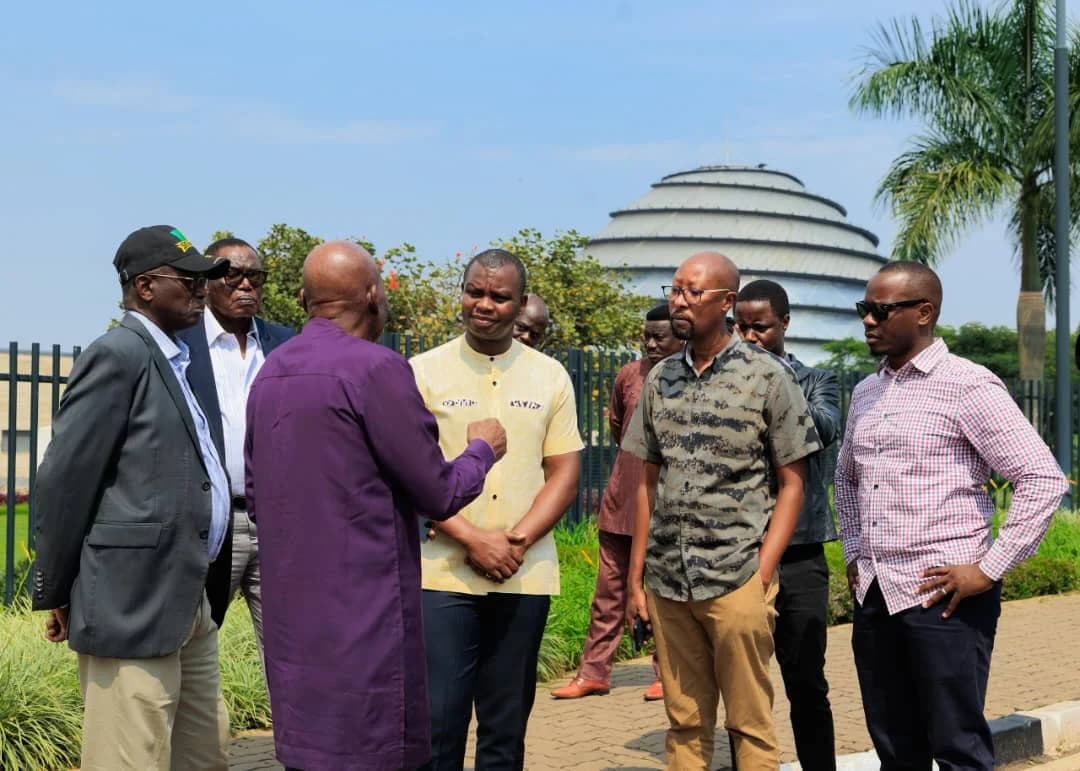
Former African UN Peacekeepers visited the former zone of exchange located at the Kigali Convention Center roundabout.
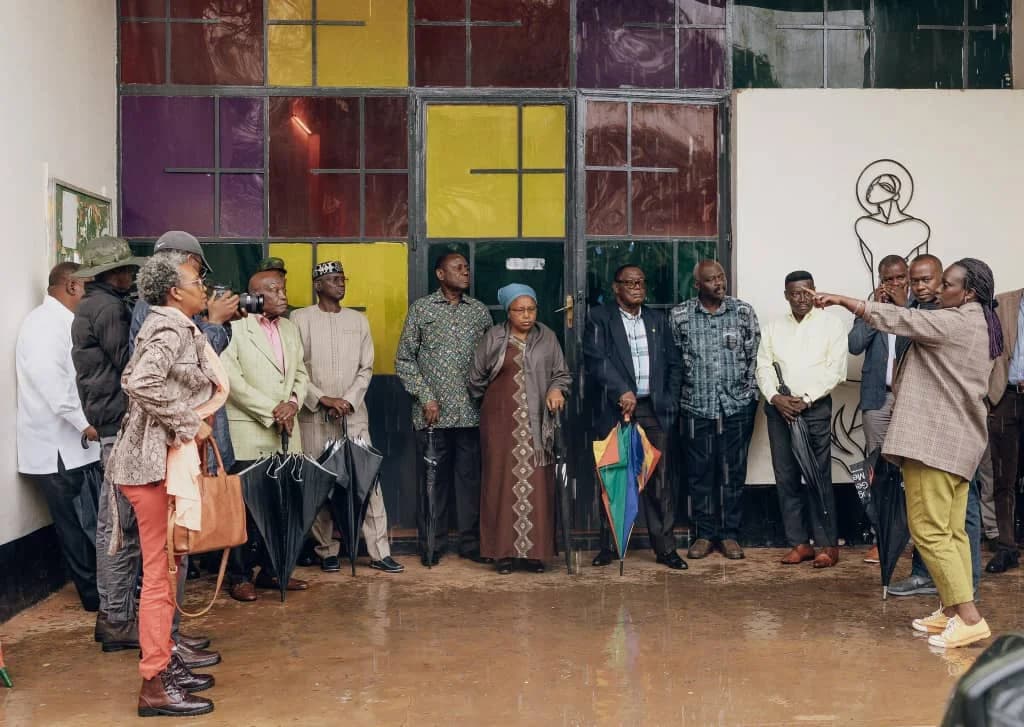
During their visit, former African UN Peacekeepers visited former ETO Kicukiro: a site where survivors relived the agony of being abandoned by Belgian troops in 1994.
Many of the veterans shared their experiences publicly during the visit. They recalled not only the horror they witnessed but also the frustration of being unable to intervene effectively. One officer reflected: “We saw the pain. We knew what was happening. But our mandate was so limited, it made us bystanders in the face of horror.” Brigadier General Ronald Rwivanga of the Rwanda Defence Force praised their return, noting that these veterans embody courage and truth-telling: “They are living witnesses to history, standing firm for what is right—even when the world looked away.” The Isoko Center for Humanity has been central in ensuring that remembrance goes hand-in-hand with education. Its mission includes research into genocide prevention and peacebuilding, education for youth on peace, dignity, and human rights, and dialogue and reconciliation that bridge survivors, veterans, and communities. By bringing back African peacekeepers, Isoko creates intergenerational conversations that transform memory into a tool for peace. For Rwanda, the return of these peacekeepers reinforces national commitment to remembrance and reconciliation. For Africa, it underscores the continent’s shared responsibility in preventing atrocities. For the world, it is a stark reminder of the cost of inaction and the need for stronger mechanisms to protect civilians in times of crisis. The genocide against the Tutsi claimed over one million lives. Thirty-one years later, the return of African peacekeepers is more than a commemoration—it is a moral lesson. Memory must not fade, because forgetting risks repetition. As the Isoko Center for Humanity reminds us: “Memory is not the end—it is the beginning of a future rooted in justice, dignity, and hope.”
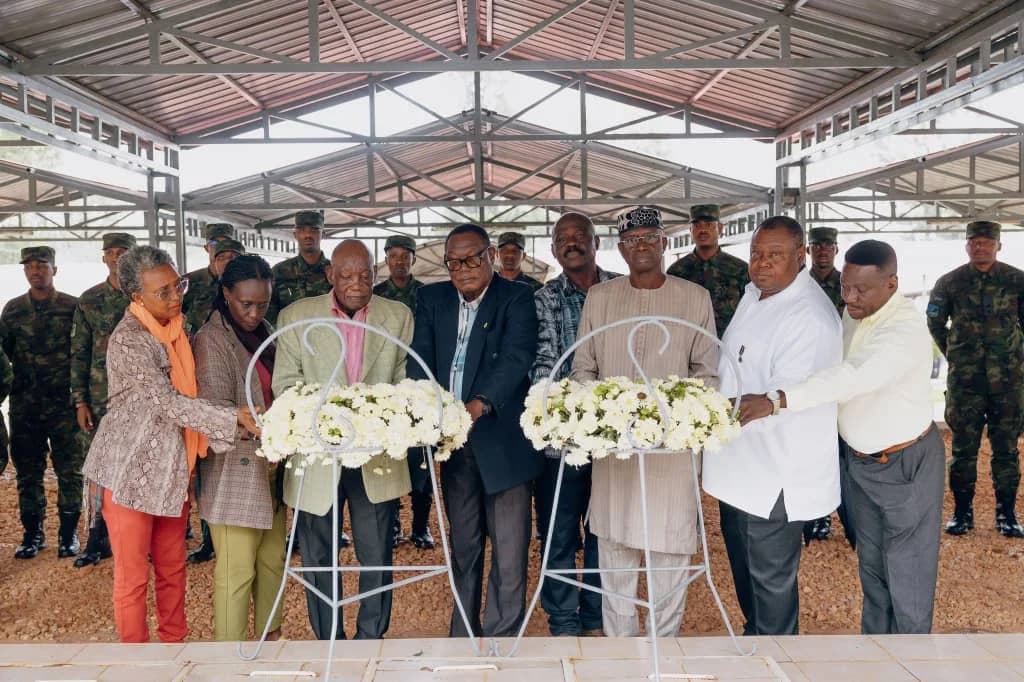
They also visited Nyanza Genocide Memorial, paying respects to victims of the Genocide against the Tutsi. Among them were thousands forced from ETO to march here, murdered along the way, the rest executed upon arrival.
References (APA Style) Aegis Trust. (2025). UN peacekeepers return to Rwanda for commemorative tour. Africa Press. Retrieved from https://www.africa-press.net/rwanda/all-news/un-peacekeepers-return-to-rwanda-for-commemorative-tour KT Press. (2025, August 15). 1994 UN peacekeepers return to Rwanda to retrace their ordeal. Retrieved from https://www.ktpress.rw/2025/08/1994-un-peacekeepers-return-to-rwanda-to-retrace-their-ordeal United Nations Peacekeeping. (n.d.). United Nations Assistance Mission for Rwanda (UNAMIR). Retrieved from https://peacekeeping.un.org/en/mission/past/unamirS.htm United Nations Security Council. (1994, April 21). Resolution 912 (S/RES/912). Retrieved from https://digitallibrary.un.org/record/185109 United Nations Security Council. (1994, June 8). Resolution 925 (S/RES/925). Retrieved from https://digitallibrary.un.org/record/186332 United Nations Security Council. (1994, November 30). Resolution 965 (S/RES/965). Retrieved from https://digitallibrary.un.org/record/190138


Comments
No comments yet. Be the first to share a thought.