
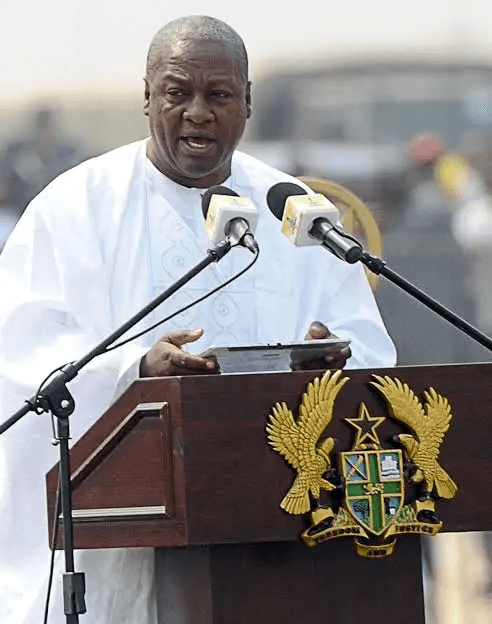
Ghanaian President John Dramani Mahama has pledged to end exports of unprocessed mineral ores by 2030, seeking to boost domestic manufacturing, create jobs and ensure the country retains more value from its natural resources.
Speaking at the Mining in Motion Summit in Accra on October 19, 2026, Mahama said Ghana must move away from exporting raw materials only to import finished products manufactured from the same resources.
“I have set a clear goal that by 2030, raw mineral ores should no longer leave our shores. Our alumina, manganese, iron, lithium and other minerals must support processing and industrial development here at home,” Mahama said.
The proposed policy will target minerals including bauxite, manganese, iron and lithium, with the government planning a phased approach supported by mineral-specific regulations, legal measures and implementation timelines.
Mahama argued that exporting unprocessed minerals has limited Ghana’s ability to develop local industries, generate skilled employment and build technological capacity, despite its substantial mineral wealth.
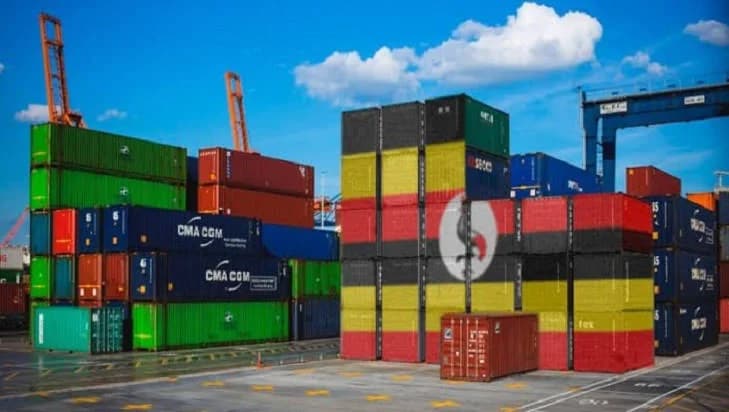
“For generations, ships have departed from Ghana's ports, carrying Ghanaian manganese and bauxite. Much of these materials has supplied industries in other parts of the world, while we have imported the finished products made from these mineral ores,” he said.
Under the proposed reforms, mining investors will be expected to support domestic processing as part of their obligations when accessing Ghana’s mineral resources. The government also plans to invest in infrastructure, skills development and financing to help establish competitive local industries.
The strategy aims to strengthen manufacturing sectors producing aluminium products, steel, electric cables and batteries, while creating additional opportunities in equipment maintenance, laboratory services, software development and recycling.
Mahama also called for stronger collaboration between universities, technical institutions and mining companies to develop the expertise needed to support industrialisation.
The initiative forms part of his broader Accra Reset agenda, which seeks to strengthen African control over natural resources and expand the continent’s productive capacity.
As Africa’s largest gold producer, Ghana is seeking to build on its mineral wealth by expanding processing and refining activities rather than relying predominantly on the export of raw commodities.
However, achieving the 2030 target will require significant investment, reliable electricity, modern infrastructure and a skilled workforce. The proposed restrictions will also need to be translated into detailed regulations and implemented across different mineral sectors.
If successfully implemented, the policy could help Ghana retain more economic value from its natural resources, strengthen domestic supply chains and create employment opportunities beyond the mining sector.

Comments
No comments yet. Be the first to share a thought.