
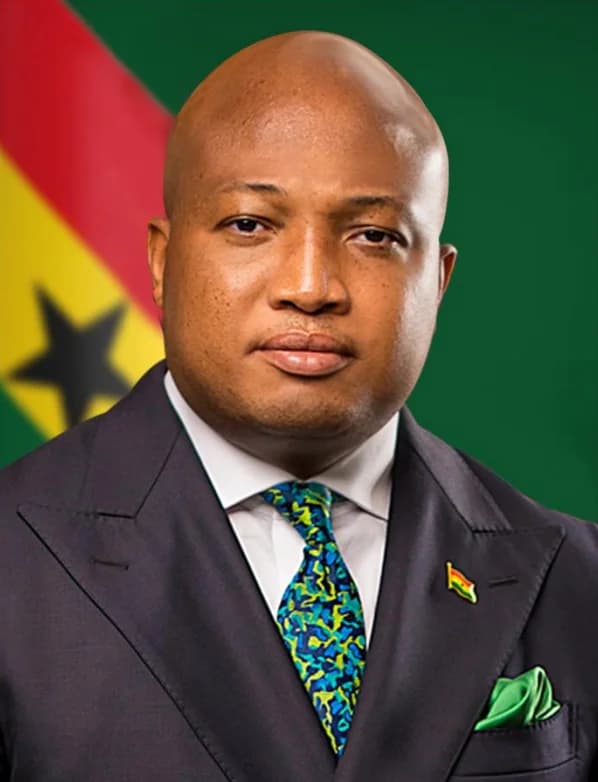
Ghana has summoned South Africa’s acting High Commissioner in Accra following renewed reports of attacks and intimidation against foreign nationals in South Africa, in a diplomatic escalation over what officials describe as “extremely disturbing xenophobic incidents.” The summons, issued on April 23, followed growing concern in Accra over viral footage and testimonies alleging harassment of African migrants, including Ghanaian nationals, in parts of South Africa. Ghana’s Foreign Affairs Minister Samuel Okudzeto Ablakwa called in South Africa’s Acting High Commissioner Thando Dalamba to formall
Ghana has summoned South Africa’s acting High Commissioner in Accra following renewed reports of attacks and intimidation against foreign nationals in South Africa, in a diplomatic escalation over what officials describe as “extremely disturbing xenophobic incidents.”
The summons, issued on April 23, followed growing concern in Accra over viral footage and testimonies alleging harassment of African migrants, including Ghanaian nationals, in parts of South Africa.
Ghana’s Foreign Affairs Minister Samuel Okudzeto Ablakwa called in South Africa’s Acting High Commissioner Thando Dalamba to formally register the government’s protest and demand urgent action to protect its citizens abroad. Officials said the incidents were “extremely disturbing xenophobic attacks” and required immediate intervention from Pretoria.
Triggering incidents in KwaZulu-Natal
The diplomatic reaction was prompted in part by events in South Africa’s KwaZulu-Natal province, where renewed anti-immigration demonstrations escalated into confrontations between local activists and foreign-owned businesses.
According to Ghanaian officials, a Ghanaian legal resident was confronted during one of the incidents and told to leave South Africa and “fix his country,” a statement that sparked outrage within Ghana’s diplomatic and diaspora communities.
The incidents were linked to renewed anti-illegal immigration protests involving Ngizwe Mchunu, a former Ukhozi FM presenter and president of the AmaBhinca Nation, whose activities in Durban’s central business district on April 20 were followed by clashes and viral videos circulating on social media.
Diplomatic escalation and prior engagement
The summons came shortly after a telephone conversation on April 22 between Ghana’s foreign minister and South Africa’s Minister of International Relations and Cooperation, Ronald Lamola, during which Lamola expressed sympathy and pledged full-scale investigations into the reported attacks, according to Africanews.
Ghana’s foreign ministry said the follow-up summons was necessary due to continued reports of intimidation and threats against foreign nationals, including Ghanaian citizens living in South Africa.
Officials also issued a precautionary advisory urging Ghanaians in affected areas to remain indoors where possible, citing what it described as escalating tensions and risks to personal safety.
South Africa’s response
South African authorities have condemned the incidents, with the acting police minister describing the attacks on foreign nationals as “unlawful” and inconsistent with the country’s constitutional values of dignity and equality. Police have reportedly been instructed to act “decisively and without hesitation” against individuals involved in violence or intimidation targeting migrants.
South Africa has also reiterated that it does not tolerate xenophobic violence, though rights groups and foreign governments have long raised concerns about recurring outbreaks of attacks during periods of economic stress.
A recurring regional flashpoint
South Africa remains one of the continent’s largest destinations for migrants, attracting workers and traders from across Africa. However, it has also experienced repeated waves of xenophobic violence over the past two decades, often triggered by economic hardship, unemployment, and competition in informal trade sectors.
The country is currently saddled with an unemployment rate of over 30 percent, a figure widely cited by analysts as a key pressure point fueling social frustration and periodic unrest targeting foreign nationals.
Past outbreaks of violence have led to fatalities, looting of foreign-owned shops, and mass displacement of migrant communities, drawing condemnation from the African Union and international human rights organizations.
Growing diplomatic sensitivity
For Ghana, the issue carries both political and humanitarian weight, as pressure mounts on the government to ensure the safety of its citizens abroad. The summons signals a more assertive diplomatic posture toward migrant protection within Africa.
For South Africa, the incidents add to scrutiny over its ability to prevent recurring xenophobic violence while balancing domestic socio-economic pressures with constitutional protections for foreign nationals.
Outlook
While both governments have expressed willingness to cooperate, officials acknowledge that tensions remain high as investigations continue and public concern grows.
Further diplomatic engagement is expected in the coming days as Ghana seeks stronger assurances on the protection of its nationals, while South Africa works to contain unrest and prevent further escalation.
The summons highlights rising regional pressure on South Africa to confront recurring xenophobic violence, as Ghana pushes for stronger protections for its citizens and accountability for recent attacks.
Comments (1)
This is a brilliant summary of a very complex topic. I find this website to be an essential part of my online routine. https://news100.pp.ua/.