
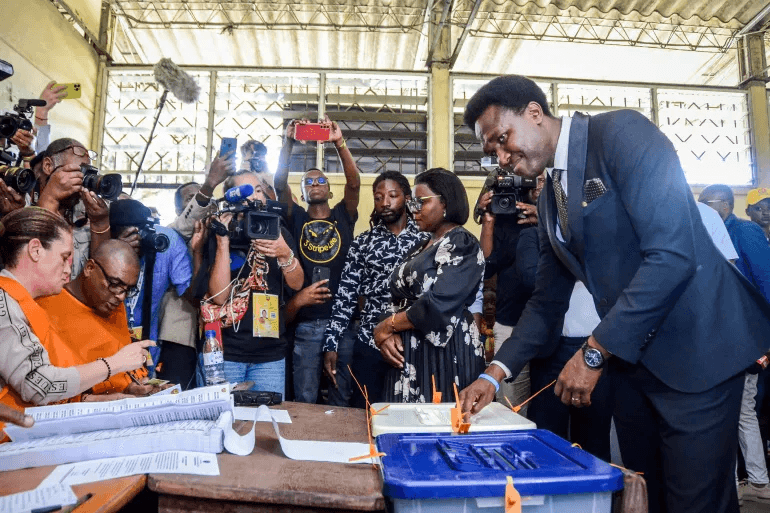
Mozambique’s opposition leader, Venâncio Mondlane, has gone on trial at the country’s Supreme Court over his alleged role in the deadly protests that followed the disputed 2024 general elections, in a case that has renewed debate over political freedom and democratic accountability in the country.
Mondlane appeared before the court in Maputo on Tuesday, November 17, 2026, facing five charges, including terrorism-related offences, public incitement to crime, advocacy of criminal activities and encouraging civil disobedience. If convicted, he could face up to 24 years in prison.
However, the opposition leader has denied all charges, describing the proceedings as an attempt to silence him and weaken political opposition.
“I arrive calm and confident in my legal team,” Mondlane told journalists outside the court.
The case stems from widespread demonstrations that erupted after Mozambique’s October 2024 elections, in which President Daniel Chapo and the ruling Frelimo party defeated Mondlane, extending the party’s more than 50-year hold on power.
Mondlane rejected the results, alleging electoral irregularities and political persecution. Human rights organisations also raised concerns about reported political killings, restrictions on civil liberties and the authorities’ response to demonstrations.
According to Amnesty International, more than 300 people were killed during protests challenging the election results. The organisation accused security forces of using unlawful force, carrying out arbitrary arrests and suppressing information.
The crisis was further intensified by the killing of Mondlane’s lawyer and aide while preparations were underway to challenge the election outcome.
Speaking ahead of the trial during a Facebook livestream, Mondlane accused the government of using his prosecution to intimidate a generation demanding political change.
“The message being sent is that you must remain silent. You must remain in captivity, in prison, in darkness,” he said.
He argued that the case was intended to discourage citizens from challenging the political establishment that has governed Mozambique for decades.
The trial places Mozambique’s justice system under renewed scrutiny, with questions surrounding political accountability, freedom of expression and the right to peaceful protest.
Its outcome could have significant implications for the country's opposition movement and the broader political climate in one of Southern Africa’s longest-governed political systems.

Comments
No comments yet. Be the first to share a thought.