
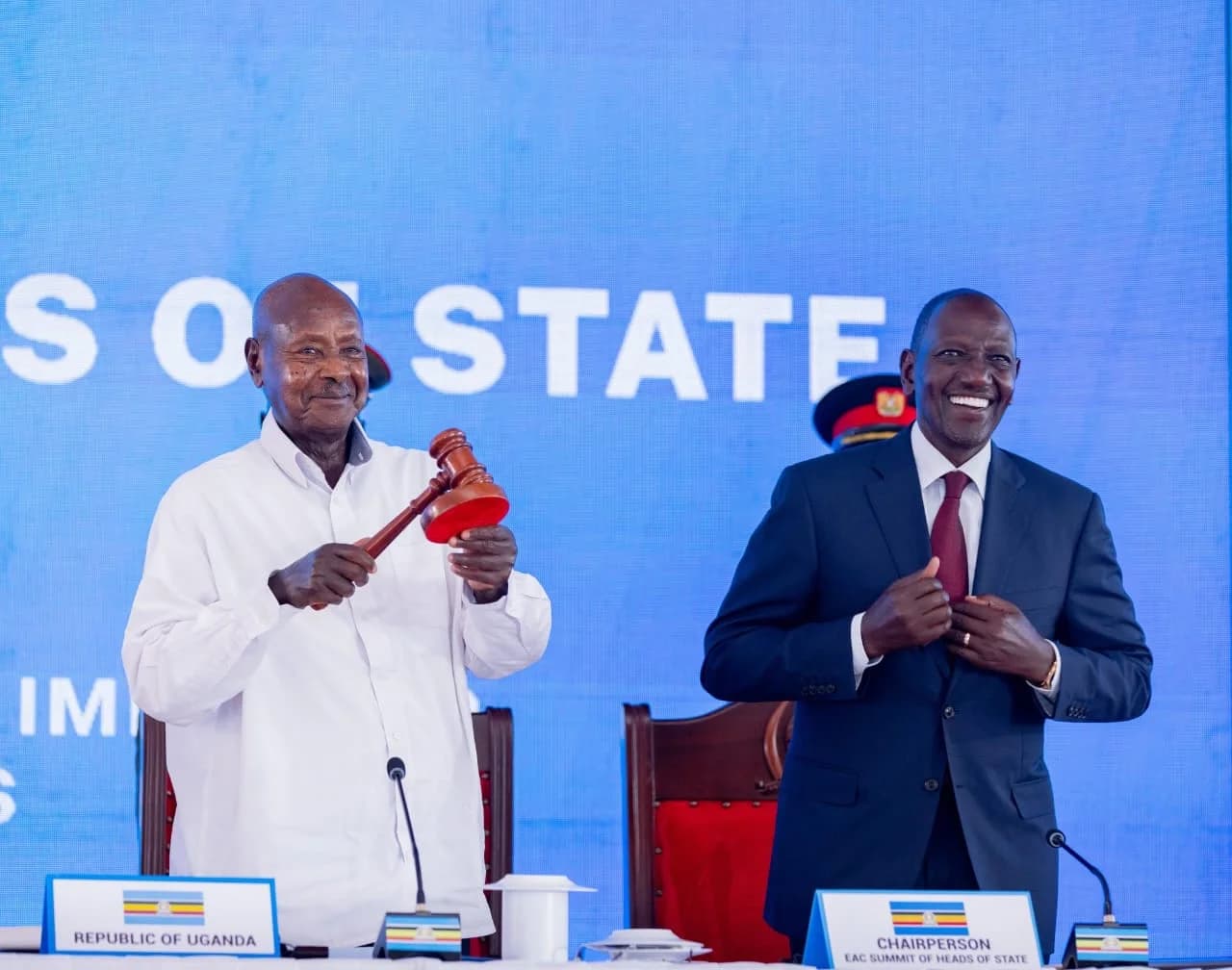
Arusha – Tanzania , In a landmark session aimed at revitalizing regional integration, the 25 th Ordinary Summit of the East African Community (EAC) Heads of State concluded this Saturday 7 th March 2026, with a historic leadership transition and a very consequential overhaul of the bloc’s funding and decision making structures. Facing mounting financial pressure and a rapidly expanding membership, regional leaders today signaled a shift toward equity and efficiency, appointing Uganda’s President Yoweri Museveni as the new Chairperson to steer the community through its next chapter. The summit
Arusha – Tanzania, In a landmark session aimed at revitalizing regional integration, the 25th Ordinary Summit of the East African Community (EAC) Heads of State concluded this Saturday 7th March 2026, with a historic leadership transition and a very consequential overhaul of the bloc’s funding and decision making structures. Facing mounting financial pressure and a rapidly expanding membership, regional leaders today signaled a shift toward equity and efficiency, appointing Uganda’s President Yoweri Museveni as the new Chairperson to steer the community through its next chapter. The summit’s most visible change was the rotational handover of the Chairmanship. President Yoweri Kaguta Museveni of Uganda officially succeeded Kenya’s President William Ruto, who concluded his one year term. Museveni takes the lead at a pivotal moment, with the bloc now comprising eight member states. Beyond the chairmanship, the summit addressed key administrative gaps, Ambassador Stephen Patrick Mbundi was appointed as the new EAC Secretary General (2026–2031). The leaders also appointed several new judges to the East African Court of Justice, including Justice Diejo Stephen Abraham and Abdiwahid Warsame Abdullahi, to strengthen the regional judicial arm.
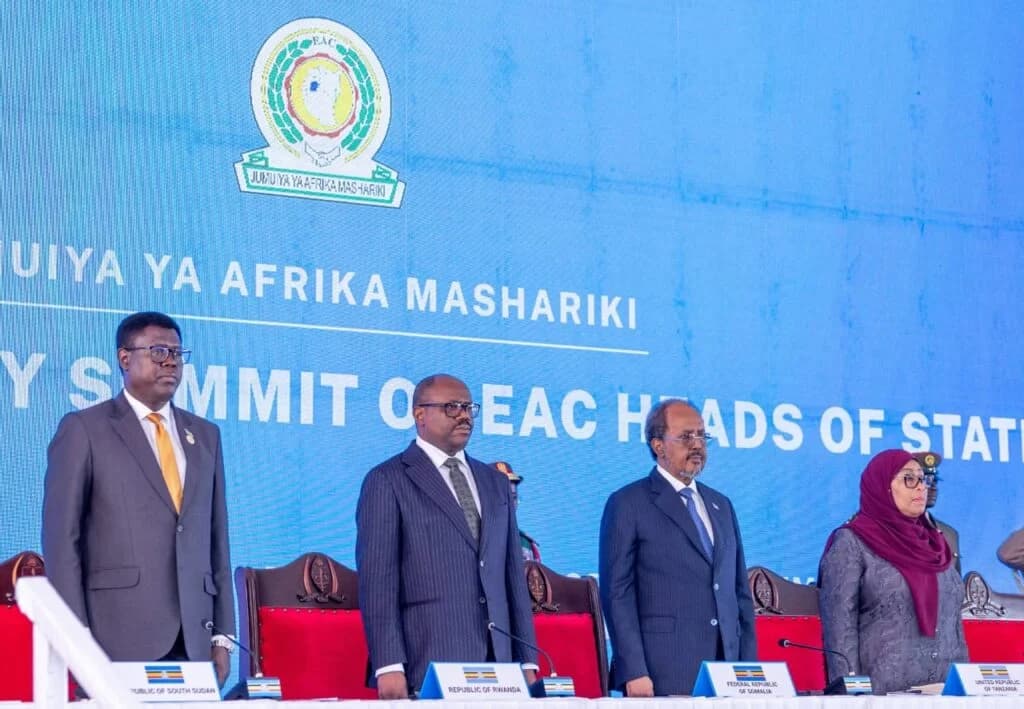
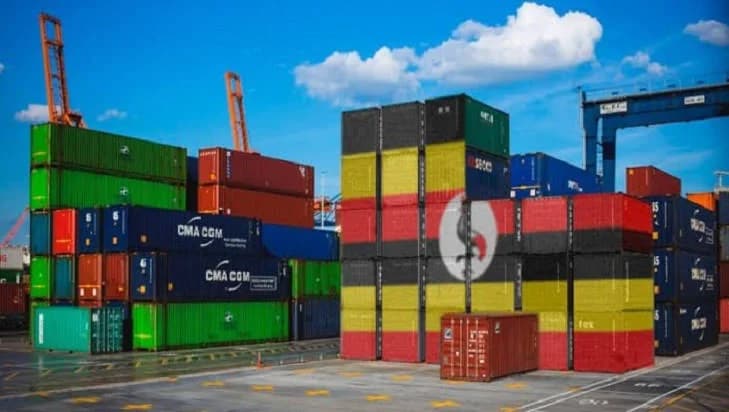
"Fairness and Equity" Outgoing chair President William Ruto announced a major shift in how the EAC sustains itself. For years, the equal contribution model had been criticized for burdening smaller economies. The Summit adopted a hybrid model where 50% of the budget is shared equally, while the remaining 50% is assessed based on the size of each member's economy. "Those who benefit more should pay more," Ruto stated. To assist members in arrears, the Summit agreed to waive 50% of outstanding debt, provided the remaining half is settled within two years. Moving away from the requirement of total consensus, the leaders agreed that decisions can now be made by a two thirds majority (65%), a move designed to prevent gridlock in the now larger bloc. The Summit officially launched the 7th EAC Development Strategy (2026/27–2030/31). This roadmap prioritizes a single regional customs guarantee that will allow traders to move goods across all eight states with one bond, significantly cutting costs and border delays.
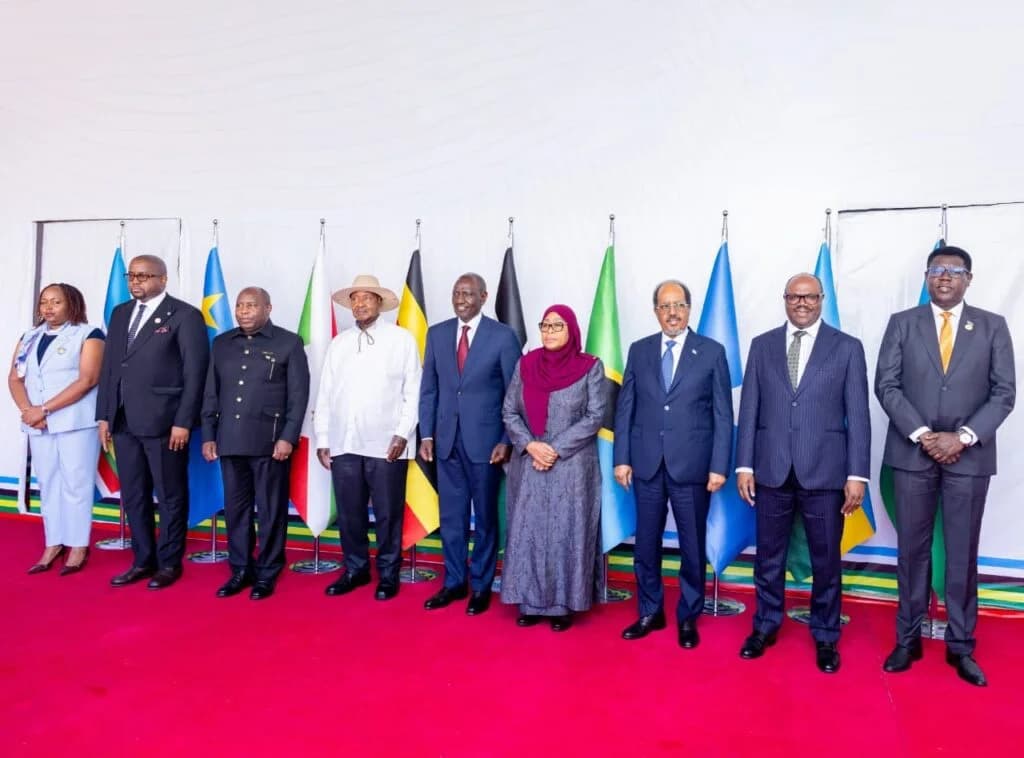
Continued focus on regional rail and road networks to link the Indian Ocean to the Atlantic via the DRC. Leaders called as well for an immediate ceasefire in eastern DRC, emphasizing that economic prosperity is impossible without regional stability. "We shall continue strengthening cooperation among our countries so that the East African Community can deliver prosperity and stability for our people." President Yoweri Museveni, Incoming EAC Chair. The EAC has traveled a long road since its original founding in 1967. After collapsing in 1977 due to political differences, it was officially revived in 2000 by Kenya, Tanzania, and Uganda. Since then, it has grown from a trio to a powerhouse of eight nations adding Burundi, Rwanda, South Sudan, the Democratic Republic of Congo, and most recently, Somalia. Today, it represents over 330 million people and a combined GDP exceeding $310 billion. As the flags of eight nations fluttered in the Arusha breeze, the message of the 25th Summit was clear, the EAC is no longer just a diplomatic club, but a functional economic engine. By addressing the elephant in the room, funding and decision-making, the leaders have cleared the tracks for the 7th Development Strategy. Under President Museveni's tenure, the focus now shifts from policy-making to the tangible implementation of the Customs Bond and the promise of improved livelihoods for 330 million East Africans.
Comments
No comments yet. Be the first to share a thought.