
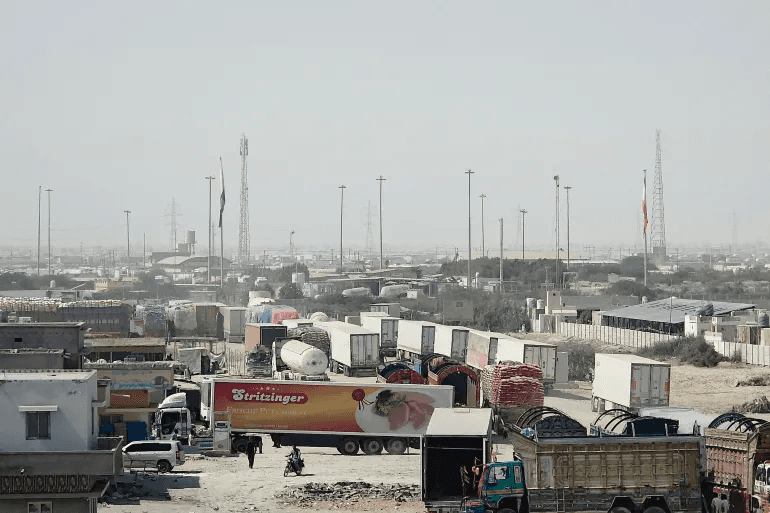
Pakistan has partially resumed trade with Iran following a week-long suspension, but security concerns and customs procedures continue to disrupt the movement of goods across their shared border.
Islamabad suspended cargo traffic through the Gabd-Rimdan and Taftan crossings in Balochistan province on October 17, citing security risks. By Monday, some shipments had started moving again, according to traders interviewed by Al Jazeera.
Pakistani exports, including rice, potatoes, bananas and retail goods, were crossing into Iran. Some Iranian shipments, including liquefied petroleum gas (LPG) loaded before the suspension, were also entering Pakistan.
The disruption had contributed to LPG shortages and rising prices in Pakistan, which relies heavily on energy imports from the Middle East.
However, Iran says revised import documentation procedures introduced by Pakistan are preventing some of its exporters from sending goods across the border.
Iranian Ambassador to Pakistan Reza Amiri Moghadam said changes to the Electronic Import Form (E-Form) procedure had created difficulties for traders. The document is used to record imports and payments through the banking system.
Pakistan’s Commerce Ministry withdrew an earlier waiver on the requirement on October 16. Iranian and Pakistani officials are reportedly holding consultations to resolve the issue.
Security concerns also remain significant. The suspension followed an attack on trucks near the Gabd crossing. Pakistan’s military said 10 attackers were killed in operations around Gabd and Gwadar, while one civilian died.
The closure has also raised questions about possible US pressure on Pakistan to restrict Iran’s economic activity amid Washington’s sanctions against Tehran. However, Pakistani officials have not confirmed any direct link between US policy and the border suspension.
Pakistan says the restrictions were intended to improve border security and support counterterrorism efforts.
Although the partial reopening offers some relief to traders, unresolved customs, banking and security challenges continue to prevent the full restoration of cross-border trade.


Comments
No comments yet. Be the first to share a thought.