
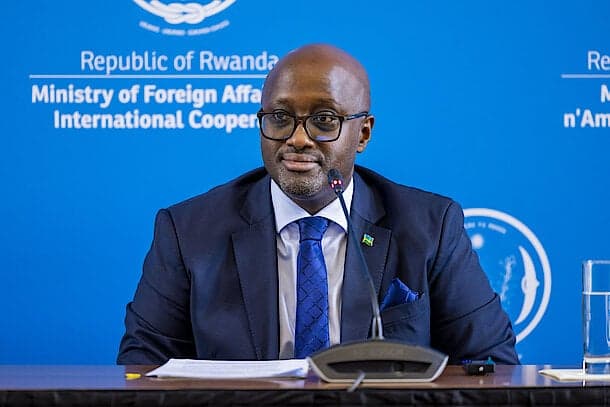
Rwanda’s Foreign Affairs Minister Olivier Nduhungirehe has defended the country’s discussions with five European nations over a possible migrant-hosting arrangement, insisting that the initiative is primarily about giving rejected asylum seekers a second chance rather than securing financial benefits.
Speaking to France 24, Nduhungirehe said Rwanda was prepared to offer migrants an opportunity to rebuild their lives after being denied asylum in European countries.
“This is not a question of money. It is a question of giving migrants a second chance,” he said.
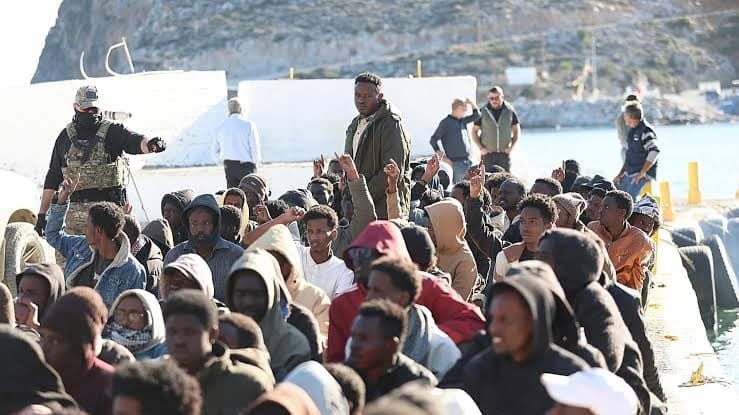
The discussions involve Germany, Austria, Denmark, the Netherlands and Greece, which are exploring the possibility of establishing a centre in Rwanda for migrants whose asylum applications have been definitively rejected and who have exhausted legal avenues for appeal.
Nduhungirehe said Rwanda's own history of displacement had shaped its understanding of migration, recalling that many Rwandans previously sought refuge in neighbouring countries.
Under the proposed arrangement, migrants would have different options. Those wishing to return to their home countries could be supported through discussions with their governments, while others could explore opportunities to relocate to third countries.
Those choosing to remain in Rwanda would have access to economic projects intended to support their integration into society.
The minister clarified that financial resources associated with the programme would primarily cover migrants' integration and welfare rather than represent payment for hosting them.
However, the initiative has attracted criticism from international human rights organisations, including Amnesty International, which have raised concerns about migrants' protection and welfare.
Nduhungirehe defended Rwanda's position, arguing that the country wanted to contribute solutions to migration challenges beyond its borders.
As negotiations continue, the effectiveness of the proposed arrangement will ultimately depend on whether migrants receive adequate protection, meaningful opportunities and the freedom to determine their future.


Comments
No comments yet. Be the first to share a thought.