
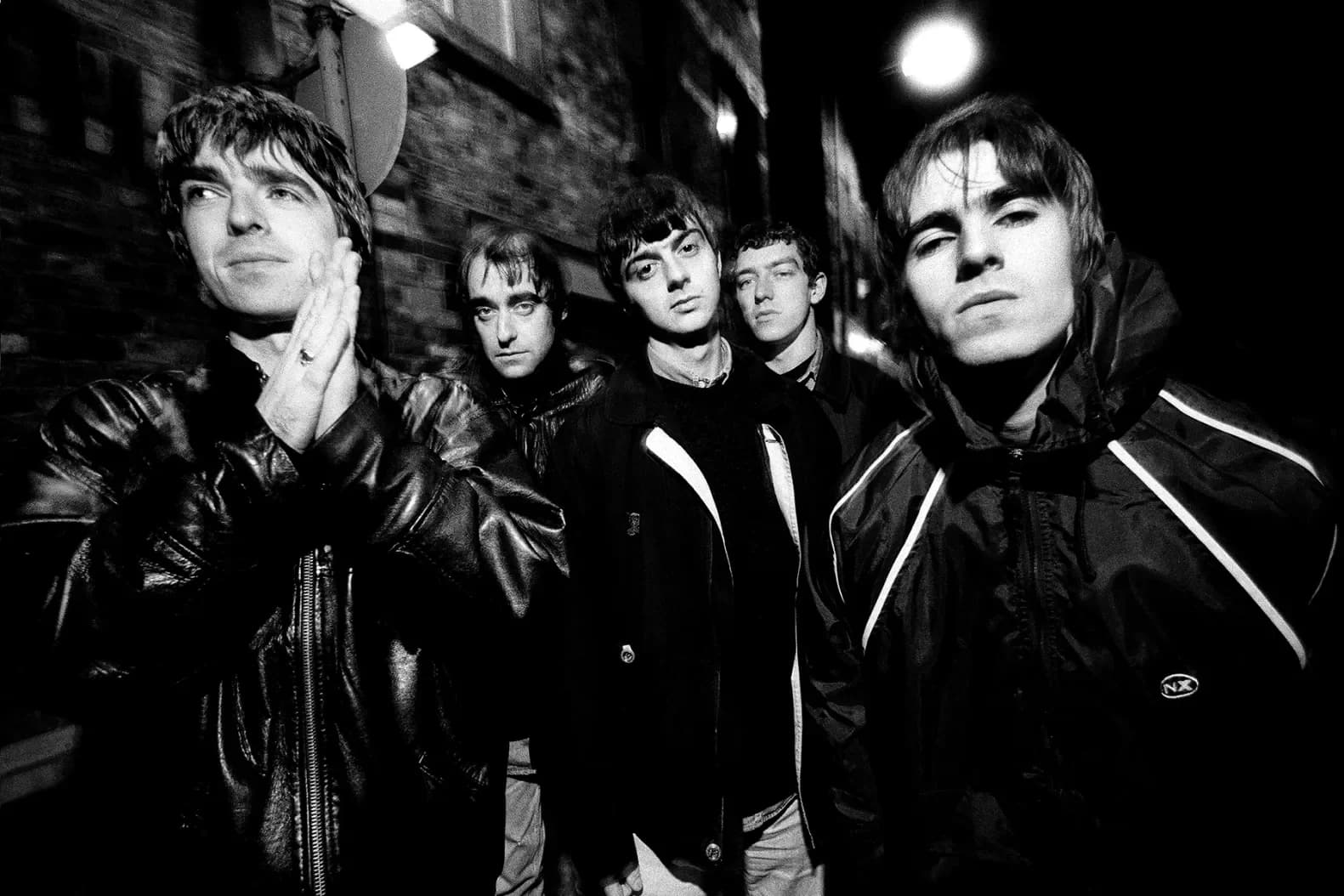
The Rock & Roll Hall of Fame Class of 2026 has sparked excitement, confusion, and plenty of speculation, as one of the strongest lineups in recent memory raises just as many questions as it answers. From long-overdue inductions to unresolved band feuds, this year’s ceremony is shaping up to be as unpredictable as it is historic. At the center of the conversation is Oasis, whose induction caps off a remarkable resurgence following their massively successful 2025 reunion tour. Despite the momentum, uncertainty hangs over whether the band will even attend the ceremony. Liam Gallagher has already
The Rock & Roll Hall of Fame Class of 2026 has sparked excitement, confusion, and plenty of speculation, as one of the strongest lineups in recent memory raises just as many questions as it answers. From long-overdue inductions to unresolved band feuds, this year’s ceremony is shaping up to be as unpredictable as it is historic. At the center of the conversation is Oasis, whose induction caps off a remarkable resurgence following their massively successful 2025 reunion tour. Despite the momentum, uncertainty hangs over whether the band will even attend the ceremony. Liam Gallagher has already responded with his trademark sarcasm online, while Noel Gallagher has remained largely silent. A heartfelt reunion performance featuring classics like “Wonderwall” feels unlikely; a no-show—or even a tongue-in-cheek rejection—seems far more in character. The Hall itself stirred controversy with its handling of Oasis’ lineup. Initially, founding bassist Paul McGuigan was excluded, prompting backlash from fans and critics alike. The decision was later reversed, with both McGuigan and drummer Alan White added to the final list of inductees—an acknowledgment that helped correct what many saw as a glaring oversight. Meanwhile, the long-awaited recognition of Joy Division and New Order marks a major victory for fans of post-punk and alternative music. Yet their induction brings its own drama. Decades of tension between bassist Peter Hook and his former bandmates leave open the question of whether a reunion is even possible. Hook has confirmed he will attend, but the silence from others suggests that any onstage reconciliation remains uncertain. If it does happen, it could become one of the most memorable moments in Hall of Fame history. Elsewhere, Iron Maiden finally earns its place after years of resistance—and open criticism of the institution. Frontman Bruce Dickinson once dismissed the Hall as out of touch, and even now, there’s no guarantee the band will embrace the honor by attending. For Phil Collins, the induction is both a celebration and a reflection. Already a member as part of Genesis, his solo recognition cements a legacy that spans decades. Though recent health challenges have kept him off the stage, there is cautious optimism that he might appear—perhaps even perform—adding emotional weight to the evening. The inclusion of Sade and Luther Vandross brings a smoother, soulful dimension to the class, while Wu-Tang Clan represents the enduring influence of 1990s hip-hop. Still, questions linger about whether famously private artists like Sade will step into the spotlight for the ceremony. Beyond individual inductions, the broader debate continues: why has the Hall taken so long to recognize certain eras and artists? Even as it celebrates 2026’s class, notable omissions—from Pixies to Sonic Youth—highlight ongoing gaps in its historical narrative. As the ceremony approaches, one thing is clear: the Rock & Roll Hall of Fame remains as much about controversy and conversation as it is about celebration. Whether it delivers unforgettable reunions or awkward absences, the Class of 2026 will be remembered not just for who got in—but for everything that happens next. Tools
Comments
No comments yet. Be the first to share a thought.