
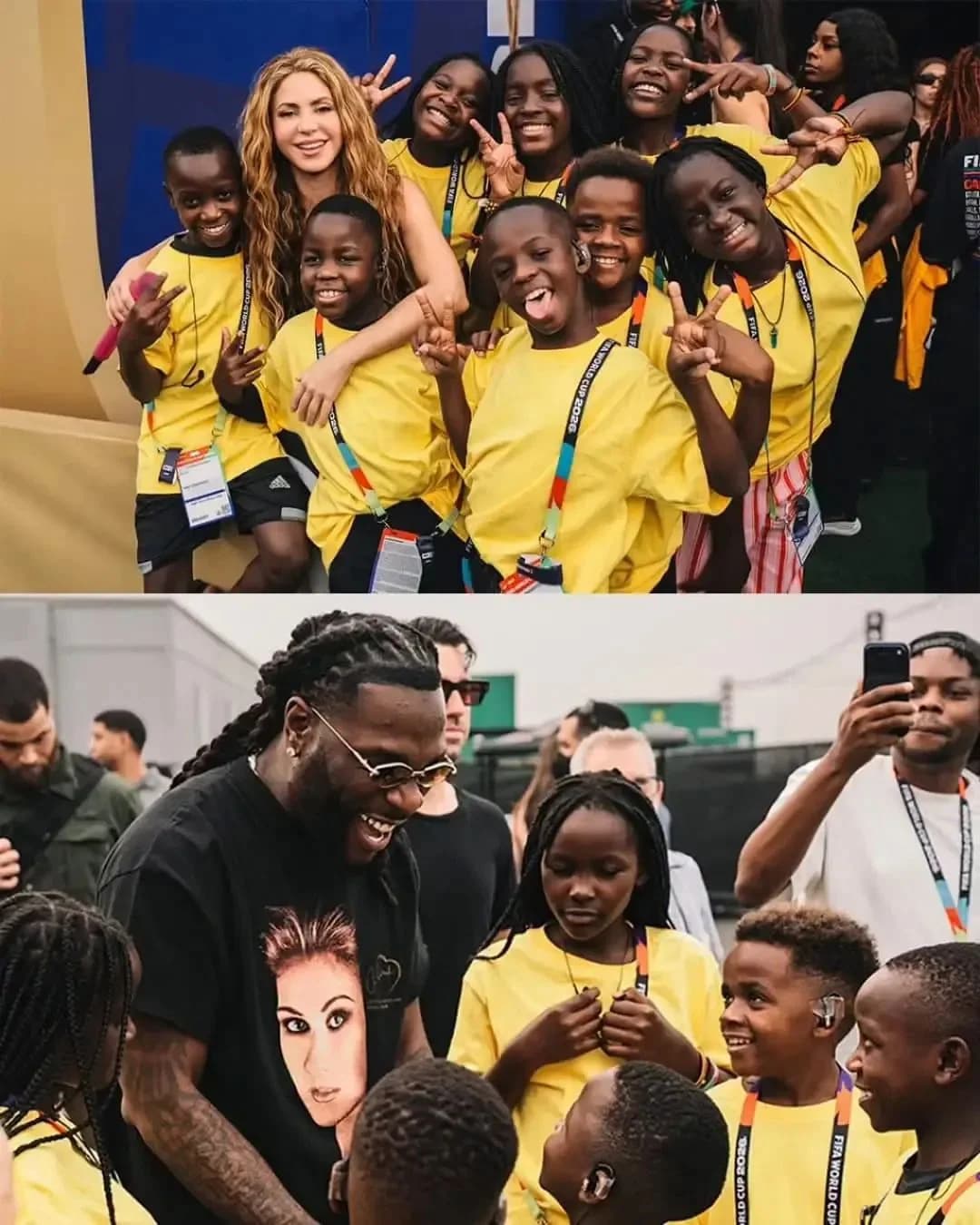
Global music icons Shakira and Burna Boy are making final preparations for one of the most anticipated entertainment moments of the FIFA World Cup 2026, after teaming up with Uganda’s famous young dance group, Ghetto Kids. The artists were pictured rehearsing with the Ugandan dancers ahead of their performance during the halftime break of the World Cup final, which will take place at MetLife Stadium in New York. The match will see Argentina face Spain in a highly anticipated showdown for football’s biggest prize. Shakira, the Colombian superstar aged 49, and Burna Boy, the Nigerian Afrobeats
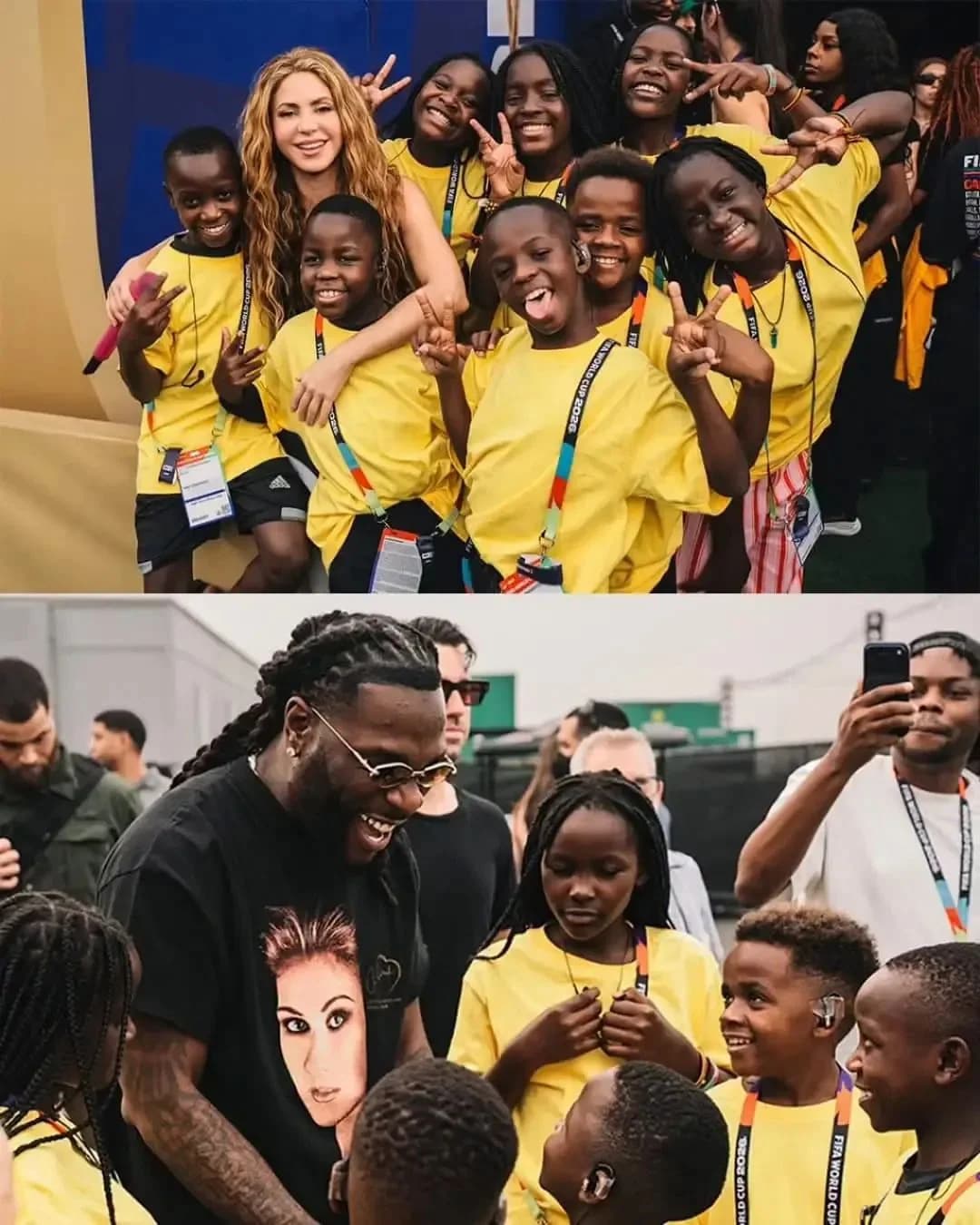
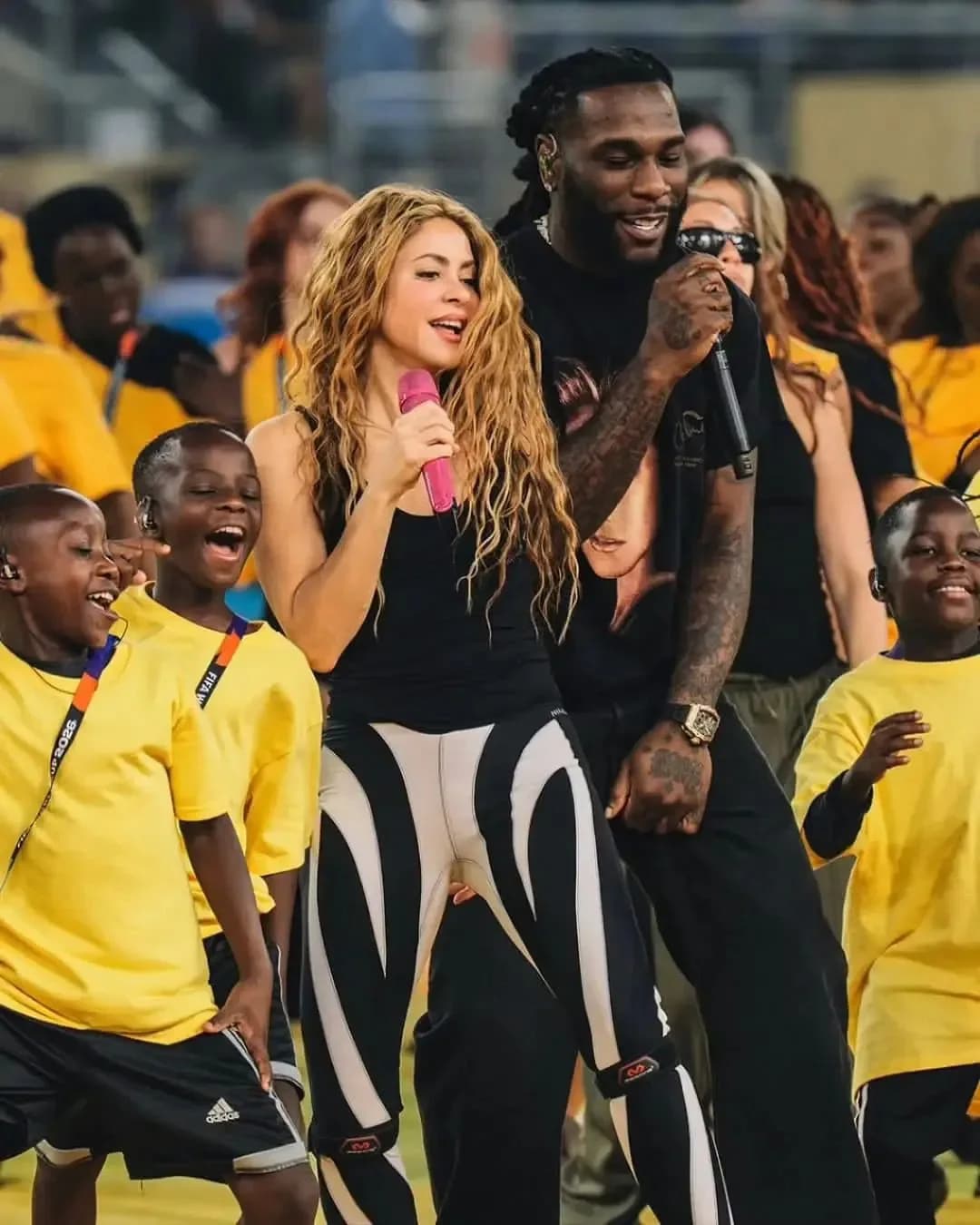
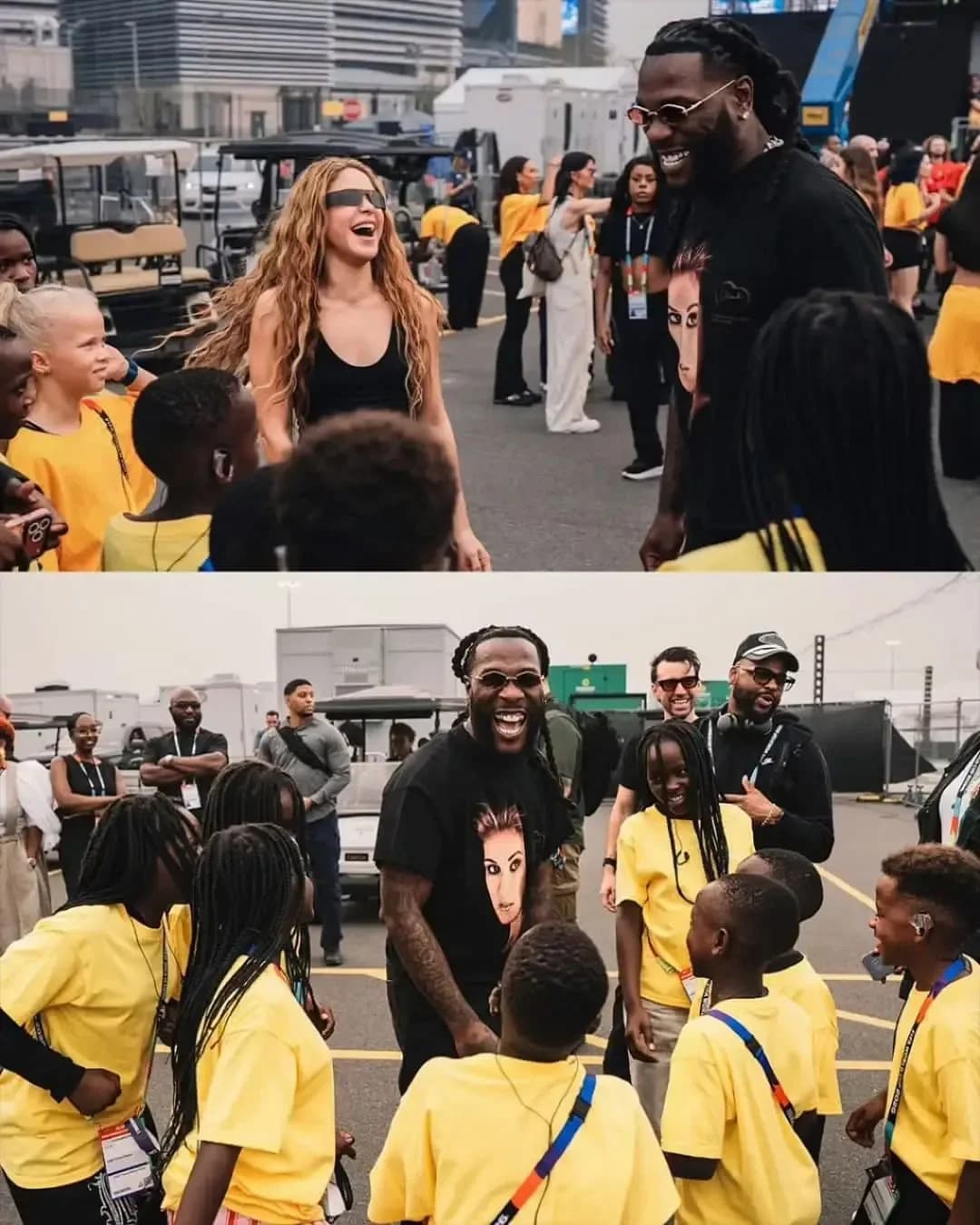
Global music icons Shakira and Burna Boy are making final preparations for one of the most anticipated entertainment moments of the FIFA World Cup 2026, after teaming up with Uganda’s famous young dance group, Ghetto Kids. The artists were pictured rehearsing with the Ugandan dancers ahead of their performance during the halftime break of the World Cup final, which will take place at MetLife Stadium in New York. The match will see Argentina face Spain in a highly anticipated showdown for football’s biggest prize. Shakira, the Colombian superstar aged 49, and Burna Boy, the Nigerian Afrobeats sensation aged 35, are expected to perform their collaborative song “Dai Dai,” which has been selected as part of the World Cup 2026 celebrations. The performance will bring together different cultures through music, with Shakira representing Latin America, Burna Boy showcasing the global influence of Afrobeats, and Ghetto Kids highlighting the creativity and energy of African youth. Shakira is widely recognized for international hits such as “Hips Don’t Lie,” “Whenever, Wherever,” and the iconic 2010 FIFA World Cup anthem “Waka Waka (This Time for Africa).” Burna Boy has become one of Africa’s leading global artists, known for songs including “Last Last,” “Ye,” and “On the Low.” Meanwhile, Ghetto Kids have gained worldwide attention through their unique dance performances and viral videos, becoming one of Uganda’s most celebrated youth groups. Their involvement in the World Cup final halftime show reflects the growing global recognition of African talent and the power of music to unite audiences beyond football.

Comments
No comments yet. Be the first to share a thought.