

The United States government has announced an indefinite suspension of immigrant visa processing for citizens of 75 countries, including Nigeria, Ghana and Russia, effective January 21, 2026. The move was confirmed by the U.S. State Department as part of a broader review of how visa applicants are screened before entry into the United States. Trump faces questions from the media over expanded visa restrictions. Under the directive, U.S. embassies and consulates will halt immigrant visa decisions for nationals from the affected countries while officials reassess vetting procedures to determine
The United States government has announced an indefinite suspension of immigrant visa processing for citizens of 75 countries, including Nigeria, Ghana and Russia, effective January 21, 2026. The move was confirmed by the U.S. State Department as part of a broader review of how visa applicants are screened before entry into the United States.
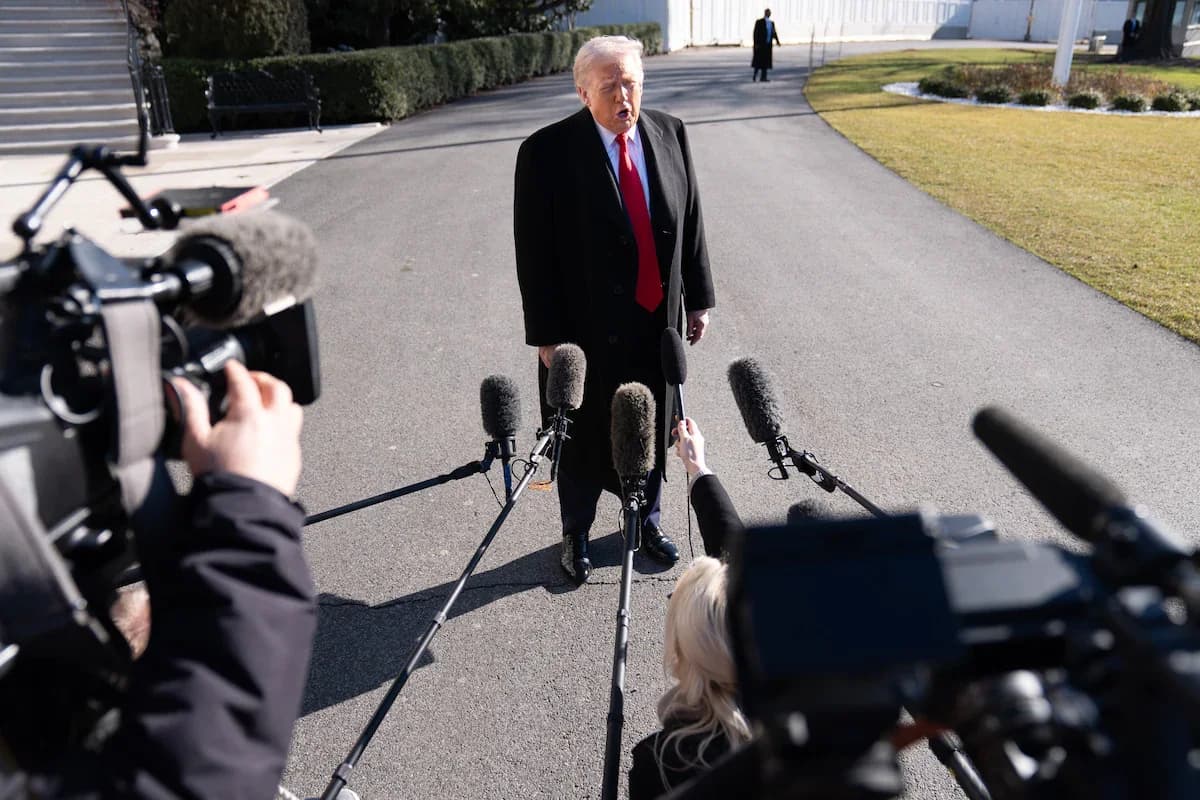
Trump faces questions from the media over expanded visa restrictions.
Under the directive, U.S. embassies and consulates will halt immigrant visa decisions for nationals from the affected countries while officials reassess vetting procedures to determine who may become a so-called “public charge” applicants deemed likely to depend on U.S. government welfare or public benefits.
The pause affects a wide range of nations across Africa, Asia, the Middle East, Europe and Latin America, with countries such as Nigeria, Ghana, Somalia, Afghanistan, Brazil, Iran, Iraq, Thailand and Yemen on the list.

US Secretary of State Marco Rubio speaks amid new visa policy changes.
Officials say the policy builds on existing visa laws and aims to tighten immigration controls. However, non-immigrant visas for tourists, students and business travellers are not included in the suspension.
Critics argue the measure could disrupt families, students and workers and damage diplomatic and economic ties, especially with nations that have historically strong relationships with the U.S. Immigration experts also warn that the policy may disproportionately affect developing countries.
Source: Africanews
Comments
No comments yet. Be the first to share a thought.