
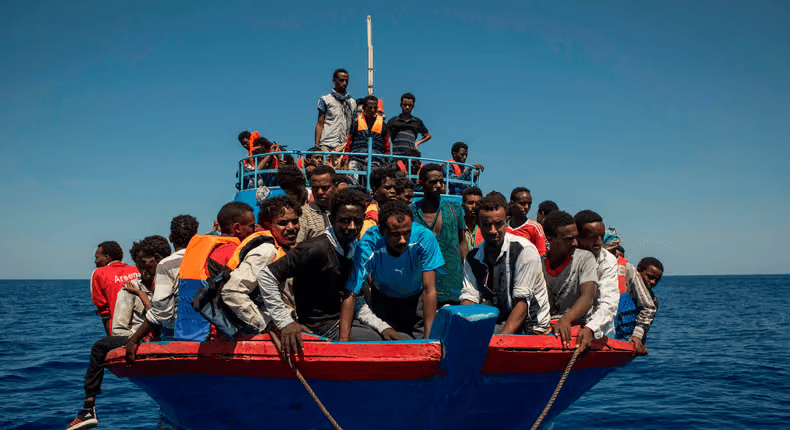
British lawmaker Rupert Lowe has pledged to end immigration from developing countries entirely, including African nations such as Somalia and Eritrea, as his Restore Britain party proposes sweeping changes to the United Kingdom’s immigration and citizenship policies.
Lowe made the declaration during the party’s conference on October 3, 2026, outlining an approach that would significantly restrict immigration from countries he described as part of the “Third World.”
“Immigration into Britain from the Third World will end entirely,” Lowe said, naming Somalia, Eritrea, Pakistan, Albania, Afghanistan, Iran and Bangladesh among the countries that would face restrictions under his proposed policy.
“We will implement our red list. We will do what any self-respecting nation should do. Discriminate,” he added.
Lowe represents Great Yarmouth in the UK House of Commons, having been elected in 2024. His position places him among the political figures advocating for a tougher approach to immigration amid continuing public debate over migration levels, housing shortages, pressure on public services and the costs associated with accommodating asylum seekers.
Restore Britain’s proposed immigration programme goes beyond reducing the number of new arrivals. The party has called for the deportation of undocumented migrants, the removal of certain foreign nationals who fail to meet strict residency requirements, the abolition of the existing refugee system and tighter conditions for obtaining British citizenship.
The proposals would represent a major departure from the UK's current immigration framework, which provides legal routes for employment, education, family reunification and international protection.
Lowe defended his party’s broader political agenda, arguing that the existing system requires fundamental change rather than limited reforms.
“When I launched Restore Britain in February this year, I made it very clear what we intended to do. I'm not interested in conserving a rotten system that does not work,” he said.
However, the announcement remains a political pledge rather than a change in British immigration law. Implementing the proposals would require legislation, administrative changes and consideration of the UK's domestic legal obligations and international commitments.
The plan also raises questions about the rights of refugees, people with established family connections in Britain and foreign nationals who already have lawful residency.
For African countries, particularly Somalia and Eritrea, the proposed restrictions could create additional uncertainty for citizens seeking employment, education, family reunification or other opportunities in the UK.
The extent of any impact would depend on the specific measures introduced, their legal implementation and whether the proposals gain sufficient political support to become government policy.
Comments
No comments yet. Be the first to share a thought.