
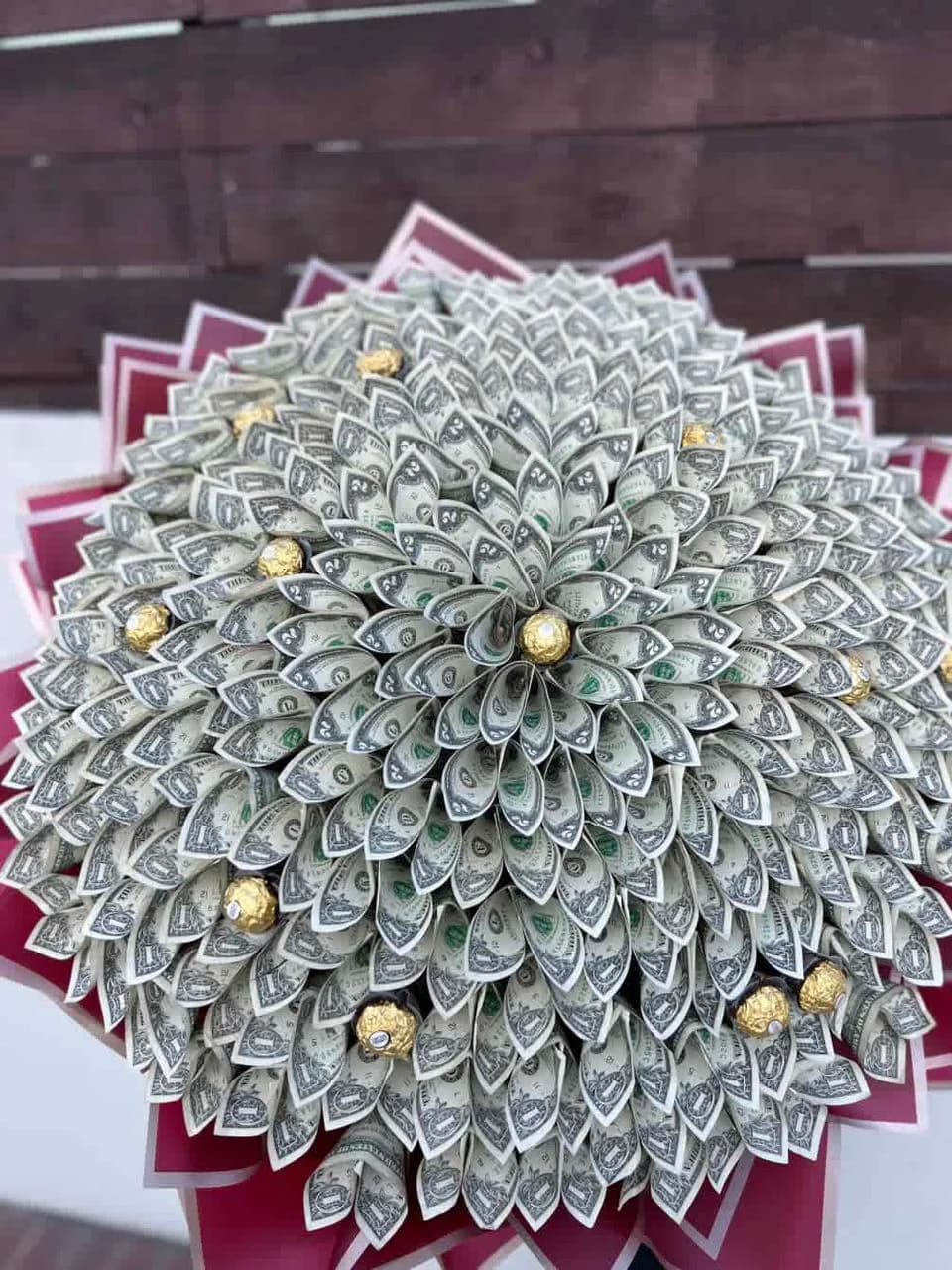
In the run‑up to Valentine’s Day and other big celebrations, a glamorous trend took hold across East Africa money bouquets: dazzling arrangements of banknotes folded, pinned, and taped into flower‑like sprays, given as extravagant gifts of love, celebration, or appreciation. But this year, what started as a symbol of affection is drawing stern warnings from the region’s financial guardians. It began with Kenya’s Central Bank. On February 2, the bank issued a bold advisory reminding the public that while giving cash as a gift is perfectly legal, creatively folding, rolling, stapling or gluing
In the run‑up to Valentine’s Day and other big celebrations, a glamorous trend took hold across East Africa money bouquets: dazzling arrangements of banknotes folded, pinned, and taped into flower‑like sprays, given as extravagant gifts of love, celebration, or appreciation. But this year, what started as a symbol of affection is drawing stern warnings from the region’s financial guardians. It began with Kenya’s Central Bank. On February 2, the bank issued a bold advisory reminding the public that while giving cash as a gift is perfectly legal, creatively folding, rolling, stapling or gluing banknotes into bouquets isn’t. According to authorities, those practices damage currency notes, rendering them unfit for use in ATMs, cash‑counting machines, and sorting systems essential tools in everyday banking. The consequences are more than symbolic: damaged notes must be withdrawn and replaced early, at avoidable cost to the economy.

It wasn’t just a local caution. Rwanda’s National Bank of Rwanda also weighed in, declaring that attaching, folding, gluing, or pinning Rwandan Francs into bouquets or other decorative displays could be unlawful, and that anyone found deliberately defacing currency could be committing an offense.
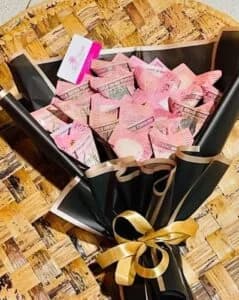
“Whether it is done for Valentine’s Day, a birthday or any other celebration, the act itself remains illegal,” Murangira Thierry RIB Spokesperson said. "The national currency represents the dignity and sovereignty of the country and must be treated with respect.” The notice stressed that such misuse undermines public trust in the national currency and burdens the financial system with extra replacement costs. Not to be left behind, Uganda’s Bank of Uganda quickly followed suit, warning florists, gift stylists, and customers alike to steer clear of using Uganda Shilling notes in decorative gifts. The bank emphasized that while cash gifts are welcome, the integrity of banknotes must be preserved for what they were designed to do: circulate and facilitate trade.

For many, the reaction has been mixed. Some social media users welcomed the guidance as a practical reminder to keep celebrations meaningful, perhaps with real flowers or thoughtful messages not just flashy money art. Others joked that the warnings saved would‑be gifters a lot of stress and expense this February. At the heart of the story is a simple truth: money is a tool, and the law protects its function. As East African authorities make it clear that creativity shouldn’t compromise currency integrity, love and celebration may take on new, more sustainable forms, leaving the money bouquets of yesterday as a stylish memory.


Comments
No comments yet. Be the first to share a thought.