
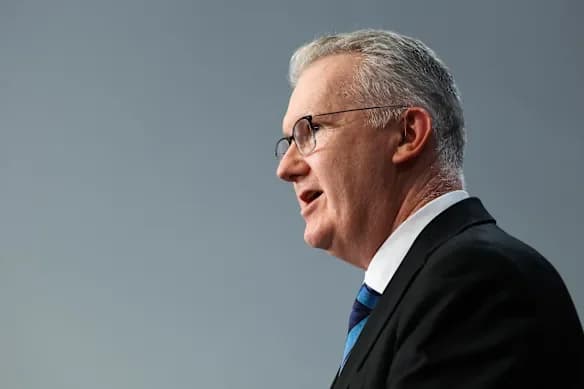
Australia’s Labor government is facing warnings from former officials and migration experts over proposed changes aimed at reducing net migration, with critics saying the reforms could create legal challenges and unintended consequences if not carefully designed. Home Affairs Minister Tony Burke is preparing a major migration policy package intended to give the government greater control over annual migration numbers. The announcement was delayed after some details remained unfinished, but government sources said the broader plan had already been agreed. The reforms are expected to target temp
Australia’s Labor government is facing warnings from former officials and migration experts over proposed changes aimed at reducing net migration, with critics saying the reforms could create legal challenges and unintended consequences if not carefully designed.
Home Affairs Minister Tony Burke is preparing a major migration policy package intended to give the government greater control over annual migration numbers. The announcement was delayed after some details remained unfinished, but government sources said the broader plan had already been agreed.
The reforms are expected to target temporary visa pathways, asylum seeker appeal rights, working rights during visa processes and family visa arrangements as the government attempts to bring migration numbers closer to its projected target of around 225,000 people annually by 2027–28.
Australia’s net migration reached record levels after the COVID-19 pandemic, exceeding 500,000 people in one year as international students, workers and other visa holders returned to the country. The government has faced political pressure to reduce migration levels while maintaining economic growth.
However, migration specialists are divided over the proposed measures, particularly changes affecting family reunification visas. Critics argue that restricting partner and family visas could separate families for longer periods and create legal challenges.
Peter van Vliet, chief executive of the Migration Institute of Australia, warned that limiting partner visas could become a human rights issue, arguing that Australians should not face excessive delays in reuniting with their spouses.
Former senior immigration official Abul Rizvi also questioned the legality of prolonged visa delays, warning that government decisions could face challenges in the courts.
However, former Home Affairs secretary Michael Pezzullo supported some proposed changes, particularly efforts to reduce the number of people remaining in Australia on bridging visas. He argued that temporary visitors should return home if they want to apply for another visa pathway.
Business groups have also urged caution, warning that tighter migration rules could make Australia less attractive to skilled workers needed by the economy.
The government’s planned reforms also include changes to humanitarian visa processes, with officials seeking to reduce delays caused by appeals and applications that extend people’s stay in Australia.
Experts say Australia needs a long-term migration strategy rather than short-term measures, balancing population growth, economic needs, border management and humanitarian responsibilities.
As Labor prepares to announce its final migration package, the debate highlights the challenge of controlling migration numbers while protecting Australia’s economic interests and social values.
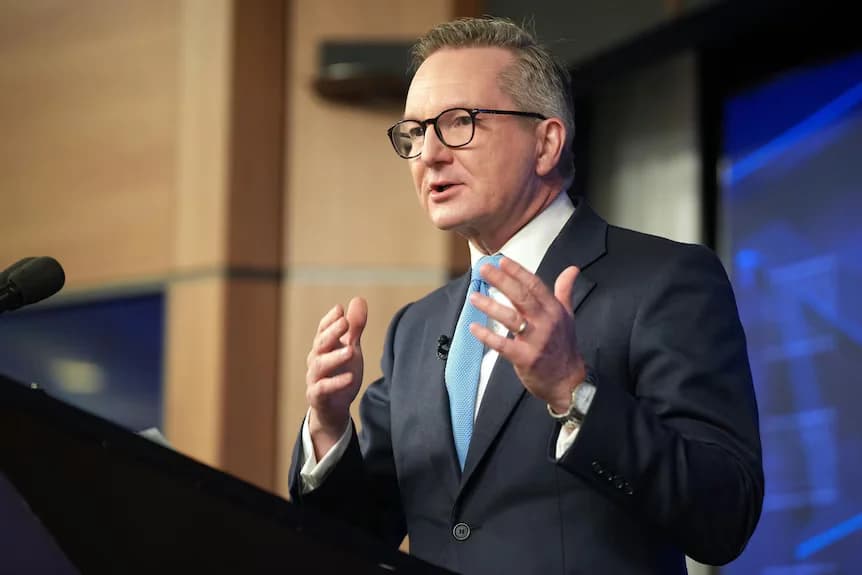
Chris Bowen says the family reunification scheme is very important.
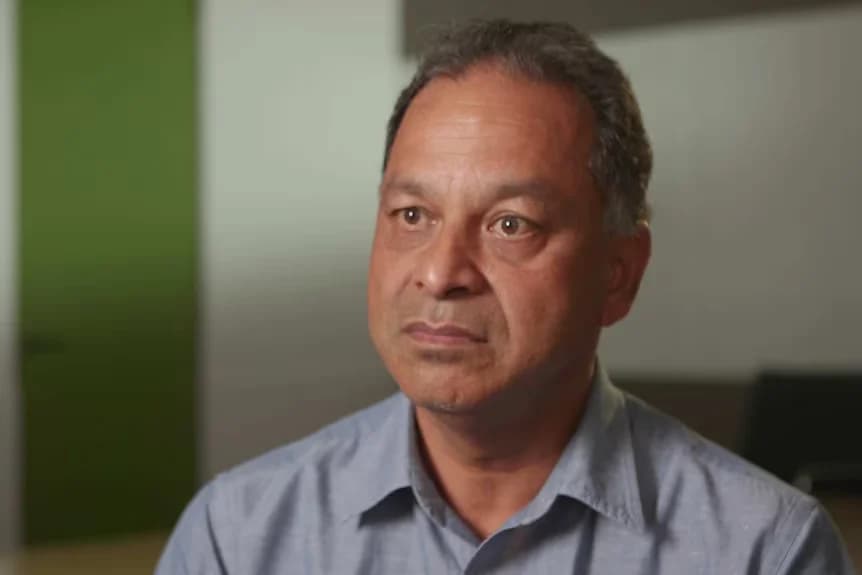
Abul Rizvi says the changes would create more legal risk for the government
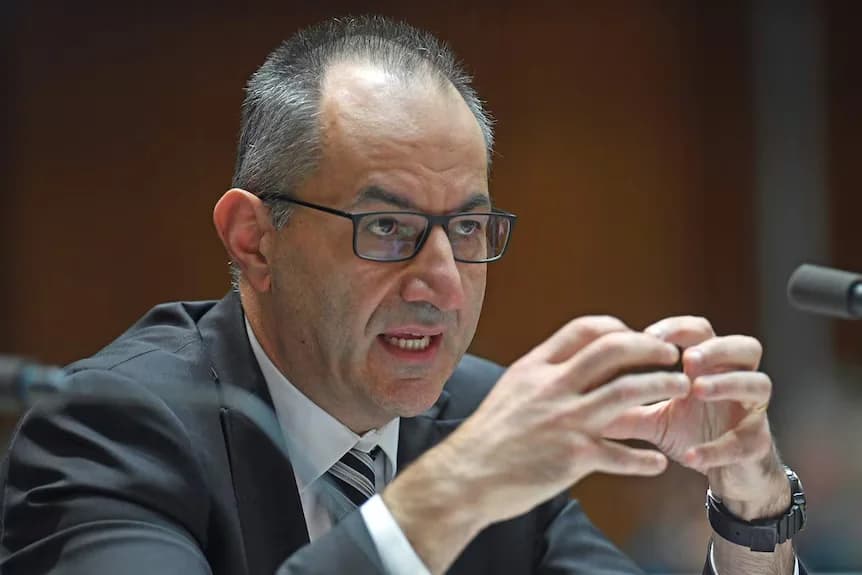
Michael Pezzullo says closing the bridging visa loophole used by families is a good idea



Comments
No comments yet. Be the first to share a thought.