
Australia continues to prove that success in motorcycle racing is not only about population size or economic power, but also about talent, commitment and determination. Despite having a population of around 28 million people , Australia has more than 120 riders competing across international FIM-recognised championships , showing a remarkable global presence in the sport. Australian riders are represented across almost every discipline, including 45 in road racing, 27 in speedway, 18 in flat track, 11 in motocross, eight in supercross, five each in enduro and desert racing, and two in trials .
Australia continues to prove that success in motorcycle racing is not only about population size or economic power, but also about talent, commitment and determination. Despite having a population of around 28 million people, Australia has more than 120 riders competing across international FIM-recognised championships, showing a remarkable global presence in the sport.
Australian riders are represented across almost every discipline, including 45 in road racing, 27 in speedway, 18 in flat track, 11 in motocross, eight in supercross, five each in enduro and desert racing, and two in trials. The country’s talent pool includes both men and women competing internationally, with riders such as Tayla Relph in road racing and Charli Cannon in motocross carrying the Australian flag on the world stage.
Australia’s achievements are even more impressive when compared with larger nations. Countries with bigger populations and stronger economies do not always produce the same number of international motorcycle racers. However, the biggest challenge for Australian riders is not talent — it is the financial cost of reaching the highest level.
Modern motorcycle racing has become an expensive sport, especially in European road racing. The days when private riders could reach the top with limited resources are mostly gone. Today, young racers often compete against riders backed by wealthy families, sponsors and established business networks.
For those chasing the MotoGP dream, the pathway starts through programs such as the Oceania Junior Cup, MotoMini, the Asia Talent Cup and the Red Bull Rookies Cup. But once riders enter European championships, costs can rise dramatically, with some junior world championship seats requiring hundreds of thousands of dollars per season.
Behind every Australian rider competing overseas are families making huge sacrifices. Parents often balance businesses, education and international travel to support their children’s dreams. Online schooling has become an important solution for young racers who must continue their education while travelling around the world.
Not every rider follows the expensive European route. Speedway, dirt track and motocross have created alternative pathways for Australian talent. The country has a proud history in speedway, producing world champions such as Jason Crump and achieving major international success, including multiple Speedway of Nations victories.
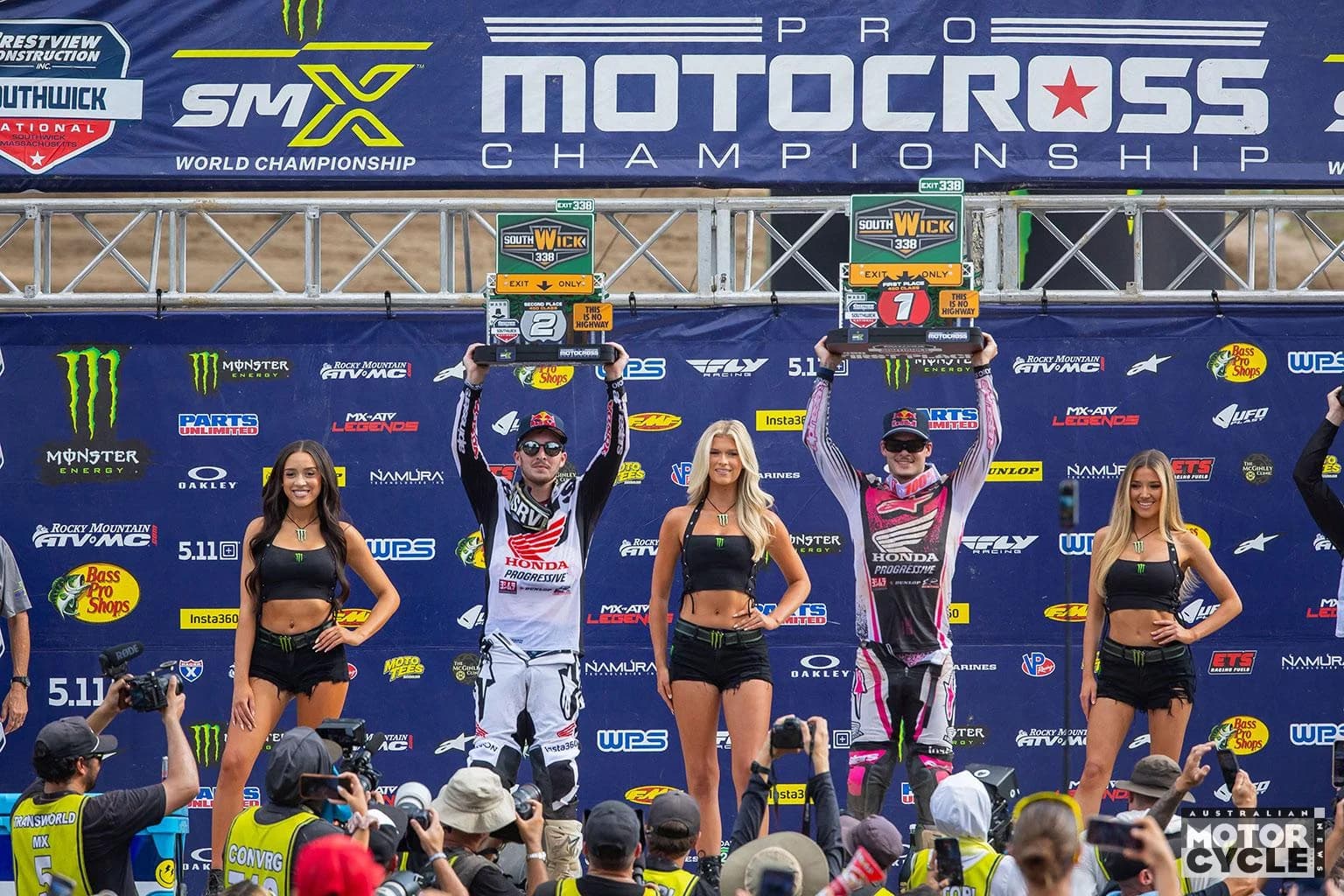
In the United States, Australian motocross riders such as the Lawrence brothers, Jett and Hunter, have become global stars, proving that Australian riders can compete and win in some of the toughest racing environments.
Australia’s motorcycle racing story is ultimately one of resilience. The country may not have the population of racing giants, but it continues to produce world-class athletes. The challenge for the future is creating stronger financial pathways so that more talented young riders can turn their dreams into international success.



Comments
No comments yet. Be the first to share a thought.