
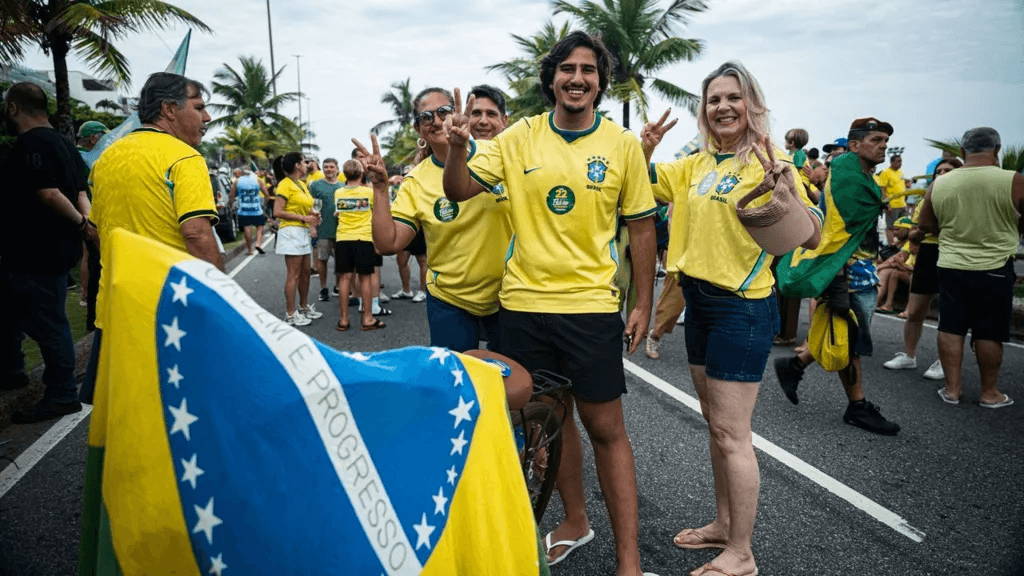
Brazilian voters are heading to the polls in a closely contested presidential run-off between incumbent President Luiz Inácio Lula da Silva and right-wing senator Flávio Bolsonaro, as the country faces a decisive choice over its political and economic future.
Polling stations opened on Sunday, with Lula, 80, seeking a fourth non-consecutive term, against Bolsonaro, 45, the son of former president Jair Bolsonaro, who is serving a 27-year prison sentence for plotting a coup following his defeat in the 2022 election.
Flávio Bolsonaro entered the run-off after finishing ahead in the first round on October 4. He has campaigned on promises to tackle organised crime, reduce taxes and cut public spending, presenting himself as the candidate of change.
Speaking to reporters after voting in Rio de Janeiro, Bolsonaro said the time had come for real change. He has also pledged to secure his father’s release.
His supporters have rallied behind his tough stance on crime and economic reforms, arguing that Brazil needs a different approach after years of left-wing government.
Lula, meanwhile, has framed the election as a battle to protect democracy and national sovereignty. His supporters argue that the country should continue moving forward rather than return to the politics associated with Jair Bolsonaro’s presidency.
Addressing supporters at a rally on Copacabana beach in Rio de Janeiro on Saturday, Lula urged voters to defend Brazil’s independence and democratic institutions.
The election has also highlighted divisions over Brazil’s relationship with the United States. Lula has criticised what his administration describes as American interference, while Flávio Bolsonaro has advocated closer cooperation with Washington to combat powerful criminal networks.
The Workers’ Party, led by Lula, has also faced criticism over corruption scandals that have damaged its reputation among some voters.
Turnout remains a key factor after approximately 33 million people did not vote in the first round. Lula’s supporters have organised major rallies to encourage participation and improve his chances of victory.
The outcome is expected to shape Brazil’s direction on security, economic policy, democratic governance and foreign relations for years to come.

Comments
No comments yet. Be the first to share a thought.